


YOGYAKARTA - You know, before the blood of a donor can be transferred, a series of rigorous tests need to be carried out, one of which is a crossmatch. Being one of the crucial stages, let's get to know the blood crossmatch more deeply.
This article will thoroughly explore what blood crossmatch is, why this procedure is so important, and how the process is carried out in medical clinical practice.
Reporting from the University of Marijuana Medical Center page, blood crossmatch
is is a series of tests that seek dangerous interactions between your blood and donor blood. This test is done before a blood transfusion.
Determination of blood type is the first step. This test determines whether you have blood type A, AB, B, or O. Your blood is also tested to find out if your Rh type is negative or positive.
It is important for your health care provider to know your blood type in order to choose compatible donor blood before conducting a crossmatch.
The steps between determining blood type and crossmatch are called recipient antibody screening. This test examines unexpected antibodies in your blood. If unexpected antibodies are found, this could delay the compatible selection of donor blood.
Also read the article that discusses Blood Donors Once Months and Is There a Time Rest?
SEE ALSO:
-
 | INFO SEHAT
Apa Itu Tall Poppy Syndrome? Iri Melihat Orang Lain Lebih Sukses dan Unggul
19 Maret 2025, 17:55 -
 | INFO SEHAT
10 Tips Ilmiah Menyimpan Bahan Makanan agar Tetap Segar Lebih Lama
17 Februari 2025, 16:46 -
 | INFO SEHAT
Diduga Penyebab Kematian Kim Sae Ron, Kenali Gejala Henti Jantung
17 Februari 2025, 15:25 -
 | INFO SEHAT
Dokter Tirta Beri Penjelasan soal Air Mineral Ada Manisnya, Bisa Bikin Diabetes?
17 Februari 2025, 13:25

Crossmatch is a way for your healthcare provider to test your blood on donor blood to ensure both are fully compatible.
This step is basically a transfusion trial carried out in the reaction tube to see exactly how your blood will react to the donor's potential blood.
It is important that donor blood matches as close as possible to your own blood. Otherwise, your immune system may make antibodies to donor blood cells. In this case, your immune system properly considers blood donation cells as foreign, but mistakenly considers them dangerous. This can cause harmful and even fatal reactions.
You may need this test if you need or may need a blood transfusion. For example, you may need a blood transfusion if you experience a severe bleeding that causes severe blood loss.
In addition, you may also undergo this test if you are undergoing certain medical procedures that can have significant blood loss complications, such as caesarean surgery, kidney biopsy, or heart surgery.
Then you may also undergo this test if:
In addition, you may undergo a partial crossmatch if you really need blood, and healthcare providers decide that waiting for a complete test can be more dangerous.
If your situation is too urgent to wait even for a partial crossmatch, blood type O may be used. Class O blood is called a universal donor and has the highest possible compatibility with other blood types.
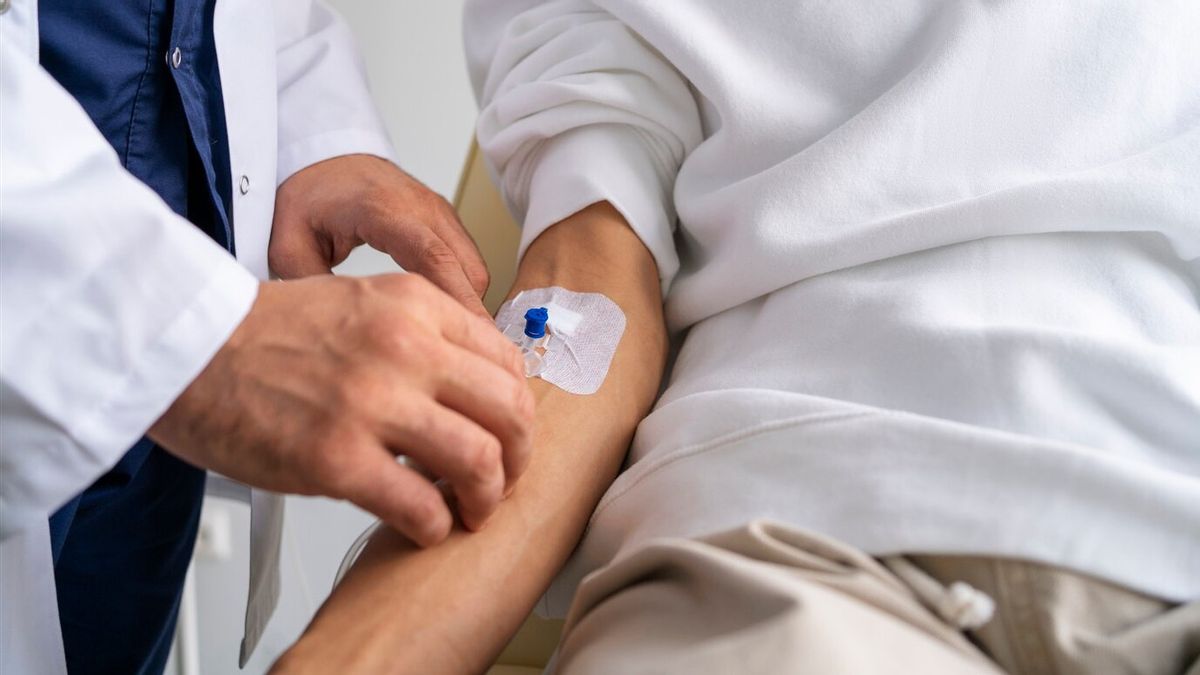
This test is done with blood samples. The needle is used to take blood from the veins on your arm or hand.
To do this test, you don't need to prepare yourself. Just tell the provider of health services about all the drugs, herbs, vitamins, and supplements that are consumed. These include drugs that don't require prescriptions and illegal drugs that you might use.
Apart from knowing blood crossmatches, follow other interesting articles too. Want to know other interesting information? Don't miss it, keep an eye on the updated news from VOI and follow all the social media accounts!
The English, Chinese, Japanese, Arabic, and French versions are automatically generated by the AI. So there may still be inaccuracies in translating, please always see Indonesian as our main language. (system supported by DigitalSiber.id)


