
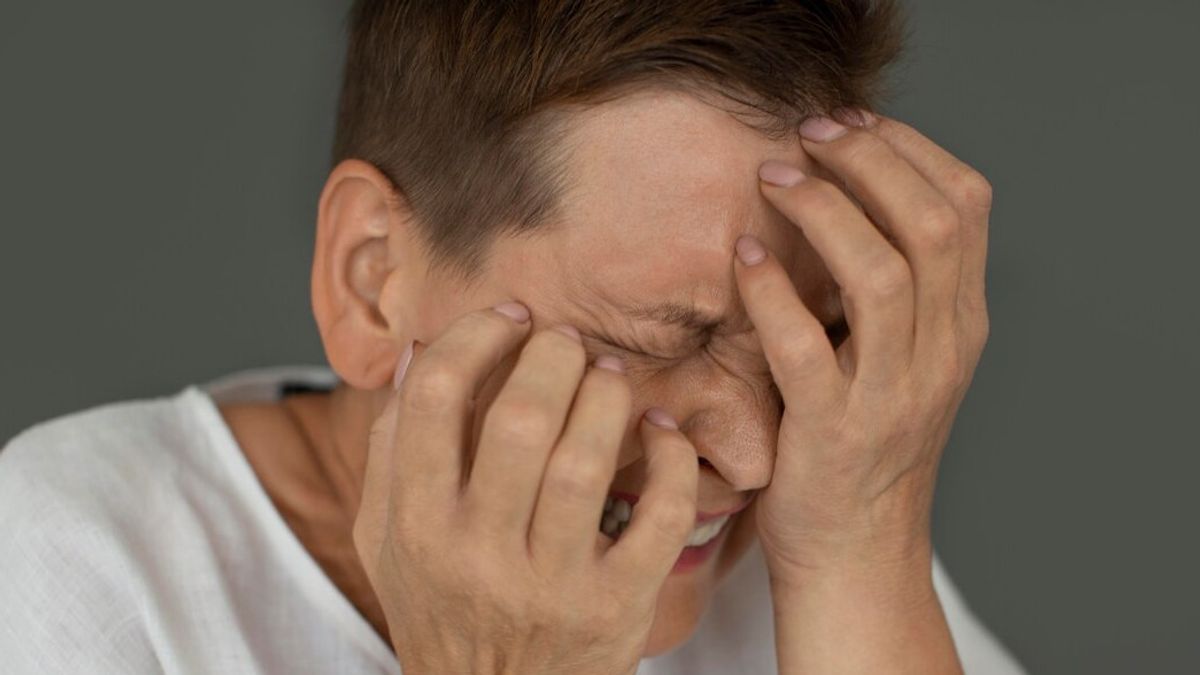


JAKARTA - Stroke is one of the most serious medical conditions and requires immediate treatment. Of various types of stroke, ischemic stroke is the most common. Understanding what is is an ischemic stroke, its symptoms, and its handling are very important to raise awareness and opportunities for recovery.
Reporting from the Cleveland Clinic page, ischemic stroke occurs when blood flow to the brain stops due to blockage, usually due to blood clots. When the brain does not get enough blood, brain cells can be damaged and even die in a short time. This can cause loss of body function, permanent damage, to death.
Ischemic strokes can cause permanent brain damage and death. If enough brain cells die, you can lose the ability or function of the body controlled by these cells.
Symptoms
Symptoms of ischemic stroke can appear suddenly and vary depending on the affected part of the brain. Some of the common symptoms include: - Weakness or paralysis on one side of the face and body - Difficulty speaking or unable to speak at all (afasia) - Talk of a cadel or not clear (disartria) - Escaped vision or double- Loss of equilibrium or body coordination - Great Headaches suddenly - Pingsan, confusion, or even coma
To recognize the stroke signature quickly, remember the acronym BE FAST:- Balance: Out of balance all of a sudden- Eyes: sudden vision disorder-Face: One side of the face drops with a smile- Arms: One arm goes down while trying to lift both of them- Speech: Talk unclear- Time: Time is very important, immediately call emergency services
Cause
The main cause of ischemic stroke is isemia, which is the condition when brain tissue does not get sufficient blood supply. Ischemia is most often caused by blood clots. These freezes can be formed in the brain (trombotic stroke) or move from other parts of the body to the brain (embolic stroke).
Some of the medical causes that can trigger blood clots include: - Atherosclerosis - blood clotting disorder - atrium fibrillation - Congenital heart defects - ischemic microvascular disease (small blood vessel entanglement in the brain)
Risk Factors
There are a number of factors that increase the risk of a person experiencing an ischemic stroke, including: - Age over 65 years - High blood pressure history (hypertension) - High cholesterol (hyperlipidemia) - type 2- Diabetes heart rhythm disorder (for example atrium fibrillation) - Smoking habits or nicotine use (including vape) - The use of excessive alcohol or drugs - COVID-19 infections
Some groups have a higher risk of developing ischemic strokes, such as the elderly, individuals with a family history of heart disease or stroke, people with an inactive lifestyle, obesity, and people with certain autoimmune diseases.
SEE ALSO:
-
 | INFO SEHAT
10 Tips Ilmiah Menyimpan Bahan Makanan agar Tetap Segar Lebih Lama
17 Februari 2025, 16:46 -
 | INFO SEHAT
Diduga Penyebab Kematian Kim Sae Ron, Kenali Gejala Henti Jantung
17 Februari 2025, 15:25 -
 | INFO SEHAT
Dokter Tirta Beri Penjelasan soal Air Mineral Ada Manisnya, Bisa Bikin Diabetes?
17 Februari 2025, 13:25

Handling
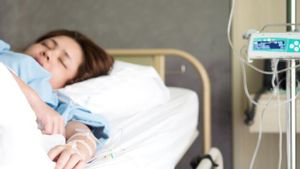
The main treatment of ischemic stroke is to return blood flow to the brain as quickly as possible to prevent further damage. The method is done among others:- Trombolic therapy is the administration of blood clotting drugs (usually within 4 hours of symptoms).- Trombektomi is a procedure for removing blood clots through catheters that are inserted into blood vessels.- Anticoagulants (blood retailers) to prevent re- clotting- Oxygen therapy to ensure the brain gets a supply of oxygen- Control of light blood sugar- Hypothermia to slow brain damage
The English, Chinese, Japanese, Arabic, and French versions are automatically generated by the AI. So there may still be inaccuracies in translating, please always see Indonesian as our main language. (system supported by DigitalSiber.id)
Most Popular Tags
#Prabowo Subianto #donald trump #firearm #8791 #giias 2026Popular


