


JAKARTA - Normal delivery is a natural process that is generally safe and provides many benefits for mothers and babies. However, behind that, there is a potential risk that needs to be watched out for, one of which is the possibility of increased exposure to human Papillomavirus infection (HPV), especially if it is repeated.
Oncology consultant obstetric and gynecologist specialist from RSK Dharmais, dr. Widyorini Lestari Hanafi, Sp.OG(K)Onk, explained that the normal delivery frequency can increase the chances of someone being infected with HPV.
He revealed that the opening and closing of cervicals that occurred repeatedly during the delivery process could trigger mild trauma in the cervical network, which eventually made it easier for the virus to infect cells in the area.
"Services that are open during childbirth and then closing them again are a natural process, but can cause changes in cells that facilitate HPV infection," he explained in a discussion about cervical cancer in Jakarta, as quoted by ANTARA.
In addition to the risk for mothers, the birth process through a vaginal tract that may be contaminated with HPV can also be a path of transmission of the virus to the baby, especially if there are minor injuries or abrasions on the tissue that the baby passes during childbirth.
SEE ALSO:
-
 | INFO SEHAT
Deteksi Dini HPV Ampuh Lindungi Kesehatan Perempuan dan Tumbuh Kembang Anak
23 April 2025, 10:55 -
 | INFO SEHAT
Tak Cuma untuk Perempuan, Vaksin HPV Bisa Cegah Kanker pada Pria
06 Februari 2025, 11:25
Wini also added that the large number of children, especially through normal birth, could contribute to the increased risk of HPV infection. In addition to the childbirth factor, too young marriage age is also a concern because it is related to the unpreparedness of female reproductive organs biologically.
"The risk does not mean a direct cause, but factors such as getting married at an early age or having many sexual partners can increase the possibility of being infected with HPV," he said.
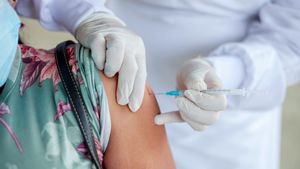
He emphasized that although the HPV virus cannot be completely prevented, there are various efforts that can be made to reduce the risk of developing into cervical cancer. One of them is the HPV vaccination which is recommended from the age of 9 to 14 years for girls. Meanwhile, for women aged 30 years and over who are sexually active, it is recommended to undergo a routine HPV test through pap smear or IVA every three years.
In addition to vaccination and early detection or routine screening, maintaining the cleanliness of the intimate organs is also an important step. Wini reminded women to be more careful when using public toilets and always wash their hands afterwards.
The HPV virus can be found on various surfaces, including public toilets, but the transmission is most common through sexual contact. Even so, maintaining cleanliness is still important so that we do not provide opportunities for viruses to enter," he explained.
With proper education and consistent preventive measures, the risk of HPV infection and the development of cervical cancer can be minimized, so that women can maintain better reproductive health.
The English, Chinese, Japanese, Arabic, and French versions are automatically generated by the AI. So there may still be inaccuracies in translating, please always see Indonesian as our main language. (system supported by DigitalSiber.id)
Most Popular Tags
#Prabowo Subianto #donald trump #firearm #8791 #giias 2026Popular


