


China on Monday called for unimpeded navigation in the Strait of Hormuz, a day after US President Donald Trump threatened to blockade the strategic waterway.
President Trump's threat came after US talks with Iran in Islamabad, Pakistan over the weekend stalled and failed to produce an agreement.
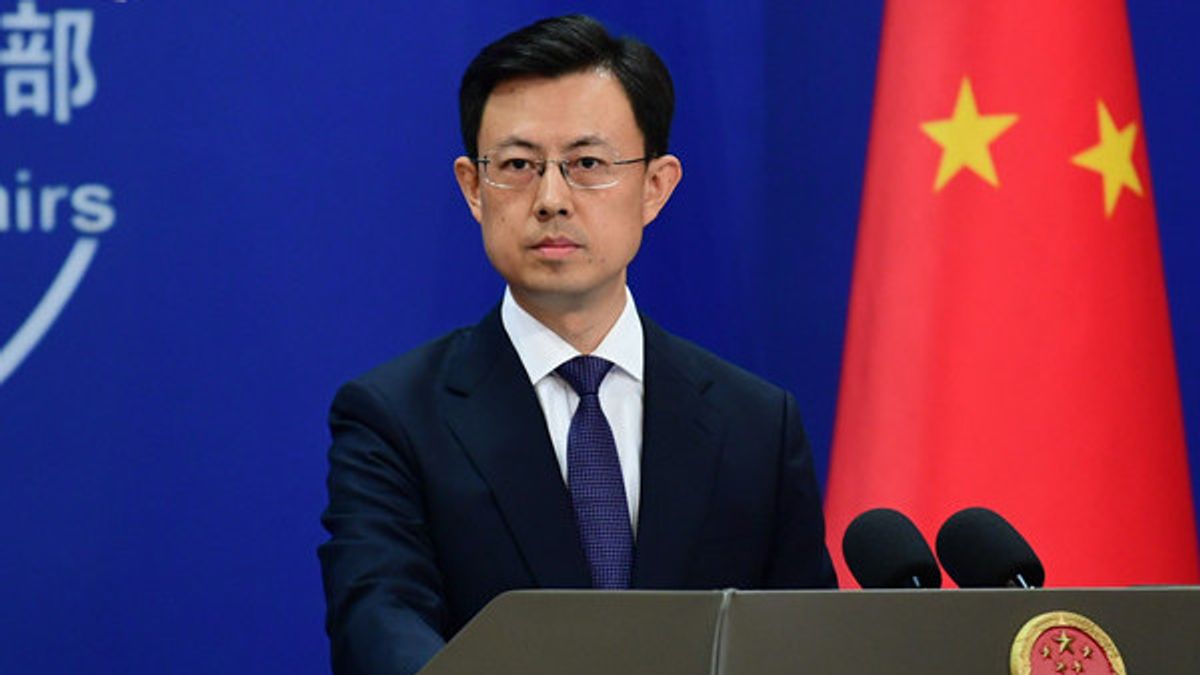
"The Strait of Hormuz is an important international trade route for goods and energy, and maintaining its security, stability, and flow is the common interest of the international community," Foreign Ministry spokesman Guo Jiakun said at a press conference, launching Al Arabiya from AFP (13/).
Tensions broke out in the Middle East on February 28, following a US and Israeli attack on Iran, which has so far killed more than 1,340 people, including the late Supreme Leader Ayatollah Ali Khamenei as well as a number of senior officials and military leaders.
The State of the Mullahs retaliated by targeting Israeli territory and facilities related to the United States in a number of countries in the Middle East region. Israel also strictly restricts the Strait of Hormuz, through which one-fifth or about 20 percent of the world's oil and LNG traffic passes every day.
China also hopes that the United States and Iran will not rekindle the war in the Middle East, after talks between Tehran and Washington in Pakistan failed to produce an agreement.
"China hopes that the relevant parties will abide by the temporary ceasefire agreement, continue to resolve disputes through political and diplomatic means, avoid re-igniting the war, and create conditions for the return of peace and tranquility in the Gulf region as soon as possible," Jiakun said.
It is known that the negotiations between Iran and the United States held in Islamabad, Pakistan on Saturday were deadlocked due to the differences between the two parties.
The Iranian delegation was led by the Speaker of the Iranian Parliament Mohammad Bagher Ghalibaf and was accompanied by Foreign Minister Abbas Araghchi.
Meanwhile, the US delegation was led by Vice President JD Vance and was accompanied by Special Envoy Steve Witkoff.
The talks come after a two-week ceasefire was announced by both sides last week, bringing a breath of fresh air to the conflict-ridden Middle East.
The English, Chinese, Japanese, Arabic, and French versions are automatically generated by the AI. So there may still be inaccuracies in translating, please always see Indonesian as our main language. (system supported by DigitalSiber.id)
Most Popular Tags
#Prabowo Subianto #donald trump #Febrie Adriansyah #8791 #giias 2026Popular


