


JAKARTA - The global aviation industry continues to transform along with the increasing need for efficient, environmentally friendly, and sustainable air transportation.
Airlines in various countries are now competing to update their fleets with the latest generation aircraft that save fuel, have optimal capacity, and have low emission levels.
Airbus-made aircraft, such as the A321neo and A330neo series, are one of the main choices for many operators as they offer high operational efficiency and wider flight range.
In addition to reducing fuel consumption by 20 percent compared to the previous generation, this aircraft also allows airlines to open medium and long distance routes at a more cost-efficient cost.
For airlines, the use of energy-efficient aircraft not only increases competitiveness, but also supports the long-term sustainability target of the aviation industry.
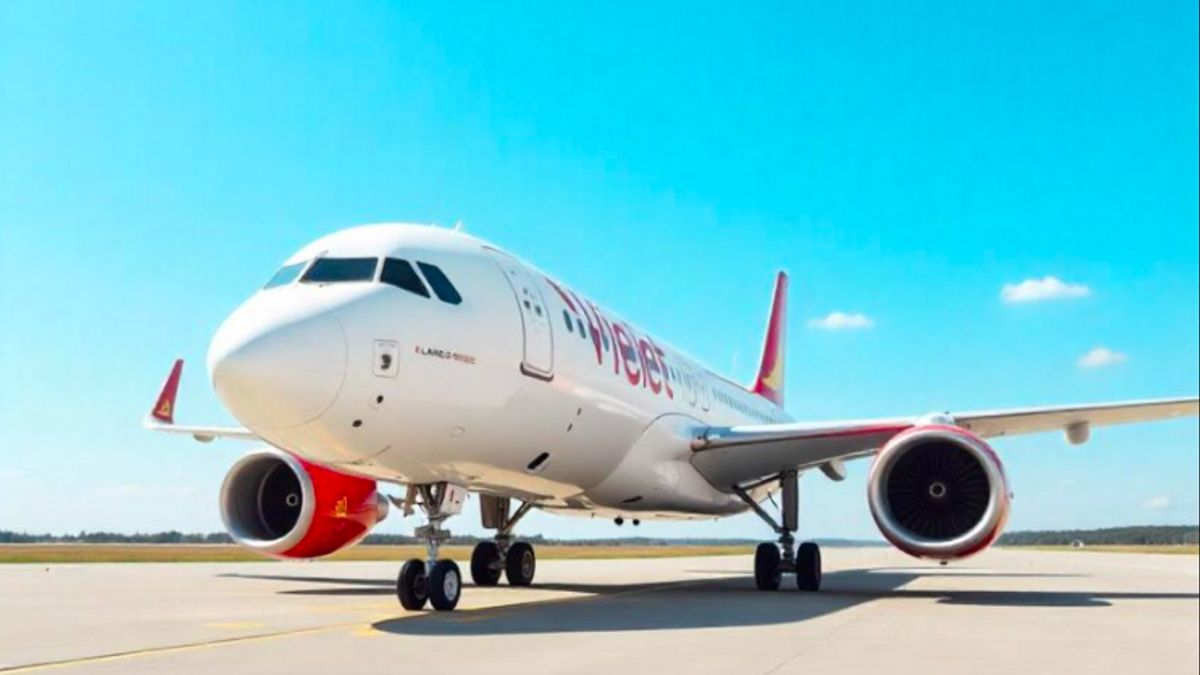
In this context, the move by the airline from Vietnam, Vietjet, to strengthen its new fleet is part of a modernization and operational efficiency strategy that is in line with the global industrial trend.
Recently, Vietjet and Airbus signed an order agreement for 100 Airbus A321neo aircraft, marking a major step towards expanding the flight network while increasing fleet efficiency.
In addition, Vietjet also collaborated US$3.8 billion with Rolls-Royce for the procurement of 92 Trent 7000 machines, accompanied by comprehensive maintenance services through the TotalCare program.
This collaboration is part of Vietjet's long-term plan to strengthen operational capacity and expand its international reach.
"This is a step and symbol of trust, aspiration, and shared vision to realize sustainable development and strengthen global connectivity. Airbus and Rolls-Royce have become our trusted partners in realizing people's dreams of flying safely, comfortably, and comfortably for every passenger," said Nguyen Thi Phuong Thao, Chairwoman Vietjet, in his statement.
SEE ALSO:


The new fleet, which includes A321neo and 40 Trent 7000 engine-powered wide-body A330neo aircraft, is expected to be able to increase the efficiency of Vietjet flights in the Asia-Pacific region and open routes to various continents, including Europe.
As airlines serving direct routes from Jakarta and Bali to Hanoi and Ho Chi Minh City, this fleet modernization step also provides opportunities for increased connectivity between Indonesia and Vietnam, as well as expanding access for tourists and business people in the region.
On the same occasion, Christian Scherer, CEO of Airbus Commercial Aircraft Division, added that this idea could make significant progress in welcoming a new era of aviation, especially in the Asian region.
"We are proud to be partnering and this is a symbol of Vietnam's growing passion, vitality and progress," Christian said.
Meanwhile, Ewen McDonald, Chief Customer Officer of Rolls-Royce Civil Aerospace, said that his party was very enthusiastic about the rapid progress of Vietjet and was proud to be able to support this airline at every stage of its growth.
"Through this agreement, Vietjet has a wider opportunity to strengthen its global flight network and continues to provide a pleasant flight experience for millions of passengers. Vietjet has become one of Rolls-Royce's strategic partners, and we are committed to continuing to assist the development of this airline in the future," he concluded.
The agreement was announced in conjunction with the official visit of Vietnam's Secretary-General To Lam to the UK, marking a new chapter of bilateral relations between the two countries within the framework of a Comprehensive Strategic Partnership.
The English, Chinese, Japanese, Arabic, and French versions are automatically generated by the AI. So there may still be inaccuracies in translating, please always see Indonesian as our main language. (system supported by DigitalSiber.id)


