
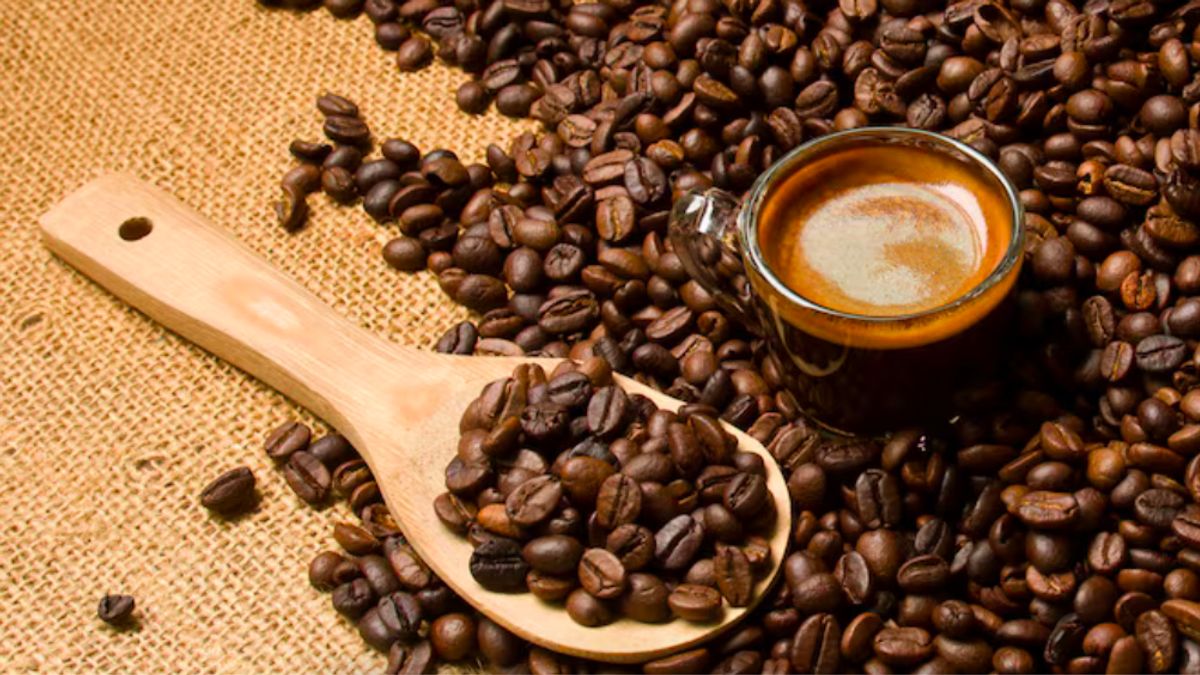


JAKARTA - Many people have simple habits that are taken lightly, such as pouring the rest of the coffee into a sink or ditch. Whether it's a rush, don't want a dirty glass or just because it's a habit.
But did you know this small act could actually have a bad impact on the environment?
Every day, millions of cups of coffee are consumed worldwide. This means that there are also millions of coffee residues that must be disposed of. If everything flows into ditches, the impact can accumulate and affect the quality of water in rivers, lakes, and seas.
Coffee is not just brown water. In it there are various compounds, such as caffeine, organic compounds to contain sugar, milk, chocolate, or other additions.
Reporting from the Science Alert page, the main problem is caffeine. Caffeine is not easily decomposed in nature, so it can survive in the water that flows into rivers and seas.
When this happens, caffeine can affect the metabolism of water plants, the development of terangs and alga to the health of water biota such as fish and small insects.
Coffee-polluted water can also experience a decrease in oxygen which makes it difficult for water organisms to survive. Even small amounts, caffeine and coffee residue can have long-term effects on the water ecosystem.
In addition to the remaining coffee liquid, coffee powder should not be thrown into the sink or ditch. Coffee powder can clot, stick to the walls of the pipe, and over time due to blockage. This can make the channel at home clogged and requires additional costs for repairs.
SEE ALSO:
-
 | LIFESTYLE
Kopi di Dubai Ini Pecahkan Rekor Dunia, Harganya Capai Rp11 Juta per Cangkir
22 Oktober 2025, 23:25 -
 | LIFESTYLE
Tambahkan Garam Sedikit Bisa Bikin Kopi Lebih Nikmat? Ini Penjelasan Ahli
21 Oktober 2025, 18:55



Here are some easy and environmentally friendly ways.
1. Reduce the brewing portion
Seduh kopi sesuai kebutuhan agar tidak ada sisa.
2. Use it as a plant fertilizer
Mix a little of the coffee that has been diluted to water the plants. Coffee powder can also be compost material.
3. Put it in a compost or trash can
If you don't have compost, throw the rest of the coffee into the trash in a solid condition or in a closed container.
4. Don't go straight into the sink or ditch
Remember what goes into the ditch will end up in nature.
The English, Chinese, Japanese, Arabic, and French versions are automatically generated by the AI. So there may still be inaccuracies in translating, please always see Indonesian as our main language. (system supported by DigitalSiber.id)


