


YOGYAKARTA A fast-spinning face can make anyone feel uncomfortable, especially when makeup is difficult to stick or the pores are clear. Oily skin is actually common and is often caused by a combination of natural factors and daily habits. Knowing the main cause can help you manage excess oil without having to 'smear' your own skin.
If one of the parents has oily skin, it is likely that you will also inherit it. According to a board-certified plastic surgeon and reconstruction, Jaimie DeRosa, MD. reported by Byrdie, Wednesday, October 22, genetic factors affect the size and activity of the sebaceous glands, which determines how much oil is produced by the skin.
Because of this innate nature, the best way is to manage it, not change it. Using skincare products specifically for oily skin, maintaining facial hygiene, and avoiding heavy products is enough to help balance oil production without making the skin dry.
Sebaaceous flexibility plays an important role in maintaining skin natural moisture, but when the production is excessive, the results can be in the form of a face that looks slippery and easily acneable. This condition can occur due to stress, hormones, or inappropriate use of products. To handle it, try cleaning your face twice a day using a soft oil-free cleaning, then use a light toner to keep the pores clean. Don't forget to use a light-based moisturizer so that the skin remains hydrated without triggering excess sebum.
Hormonic changes are the classic cause of oily skin, especially during menstruation, menstruation, pregnancy, or stress. Androgen and cortisol hormones can stimulate sebasea glands to produce more oil than usual. To overcome this, it is important to maintain a balance of the body through adequate sleep patterns, relaxation techniques such as meditation, and regular exercise. If oil production feels extreme and is often accompanied by acne, consult a dermatologist to get the right treatment.
Hot and moist weather can accelerate the activity of oil glands, making the face shiny faster than when in cold weather. For those of you who live in the tropics, this effect may be felt every day.
As a precautionary measure, use a light textured product that absorbs easily, avoid overheat exposure, and bring oil paper to absorb the glow while doing outdoor activities. When the air is very moist, limit the use of thick makeup that can cover the pore and encapsulate oil under the skin.
Washing your face too often or using hard products can actually make the skin react by producing more oil. Likewise with the use of moisturizers or sunscreens that are too heavy and clog pores.
Ideally, clean your face twice a day with soft soap, then continue with oil-free moisturizers so that the skin balance is maintained. Avoid rough scrubs or cleaners that make the skin feel attractive because this condition can signal the skin to produce more sebums as a form of protection.
SEE ALSO:
-
 | LIFESTYLE
Seberapa Penting Penggunaan Primer Sebelum Makeup? Ini Penjelasan Ahli
17 Juli 2025, 14:25 -
 | LIFESTYLE
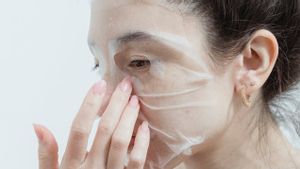
Mengapa Kulit Berminyak Justru Butuh Pelembap? Ini Alasan yang Perlu Diketahui
01 Oktober 2024, 12:49


What you eat also affects skin conditions. Consumption of foods high in sugar, processed carbohydrates, and fried foods can exacerbate excess oil on the face. On the other hand, increasing vegetables, fruit, and foods rich in omega-3 can help maintain the balance of skin oil from within. Drinking enough water is also important so that the skin is not dehydrated, because skin that lacks fluids often reacts by increasing sebum production.
It is important to understand that oily skin is not a bad thing. Instead, it indicates that the skin has natural protection against premature aging. However, if the production is excessive, of course, it needs the right strategy to control it. By understanding the causes and adjusting the routine of care, you can keep the skin fresh without losing its natural moisture.
The English, Chinese, Japanese, Arabic, and French versions are automatically generated by the AI. So there may still be inaccuracies in translating, please always see Indonesian as our main language. (system supported by DigitalSiber.id)
Popular


