
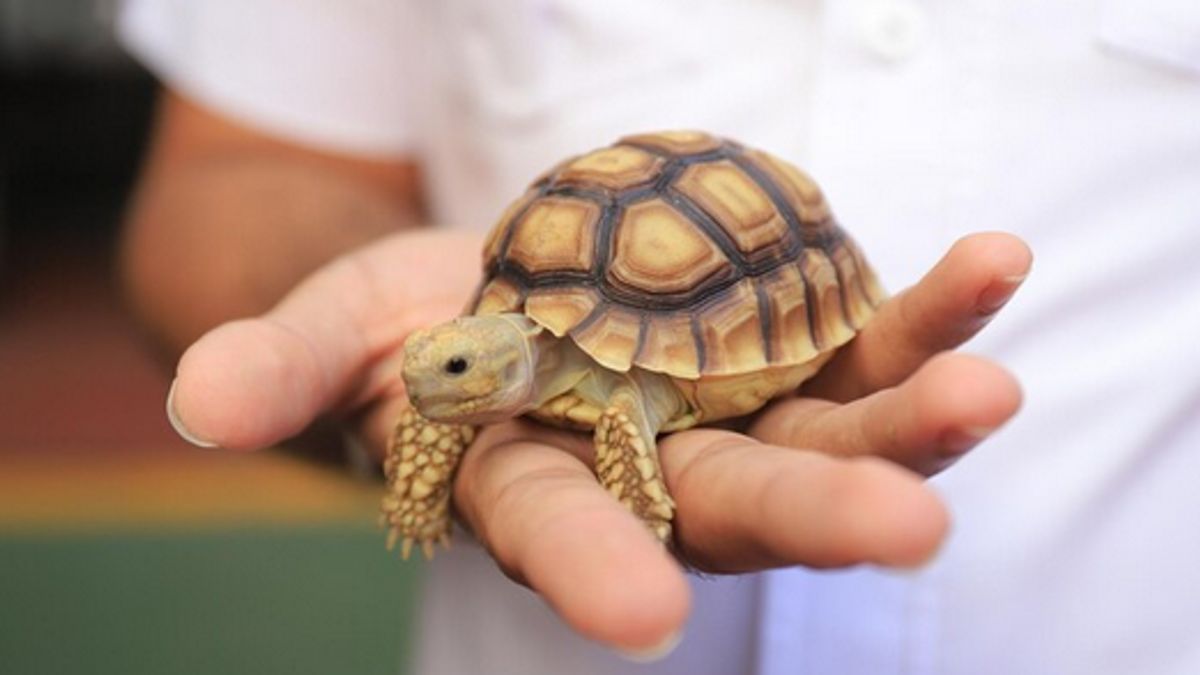


YOGYAKARTA "maintaining turtles at home can be a pleasant and calming experience, especially for beginners. These animals are known to be calm, resilient, and can live for decades when cared for properly. However, like other pets, turtles also require special attention and care to stay healthy and comfortable. For this reason, here are tips and ways to maintain turtles at home that must be noticed by beginners.
The first step, you have to choose the type or species of turtles that are suitable to maintain at home. In general, turtles are divided into three main types: water turtles (aquatic), semi-aquatic, and ground turtles. Each type has different habitat characteristics and needs.
Water turtles such as red-eared sliders, reported by The Spruce Pets, Thursday, July 17, need a large swimming space, while ground turtles prefer dry environments with many places to dig and walk. By understanding these differences, you can determine the type of turtle that is most suitable to keep at home.
Comfortable habitats are very important in how to care for turtles to stay healthy. Water turtles require large aquariums equipped with water filters, basking areas (dried), and always clean water. A comparison of the recommended water size is 10 gallons for every inch of the turtle's body length.
For land turtles, outdoor cages or indoor terrariums can be used, provided they have natural substrates such as soil or sand and sufficient space to move. Ensure your turtle habitat has humidity and a stable temperature to maintain its health.
UVB light is very important for turtles, especially to support the calcium absorption needed for strong shell growth. UVB lights must be turned on for 1012 hours daily, and replaced regularly according to factory recommendations.
In addition to UVB, also provide heating lights for sunbathing areas with temperatures ranging from 3235 degrees Celsius for water turtles or about 3033 degrees Celsius for ground turtles. Important to note, precise lighting and temperature are the main keys in maintaining the turtle's metabolic system.
How to feed the turtles correctly depends on the type of turtle you care for. Water turtles are generally omnivors that require special pellets, green vegetables such as kale and lettuce, as well as protein sources such as worms, small insects, or small fish.
While land turtles prefer plant foods such as leaves, fruit, and high-fiber vegetables. Avoid giving excessive foods high in sugar or protein, because it can cause digestive disorders and shell disease. By feeding regularly and variedly, turtles will grow healthy.
habitat cleanliness is an important aspect in how to maintain turtles at home. Replace some of the aquarium water every week and thoroughly clean the entire tank at least once a month.
When washing aquariums, avoid using ordinary soaps that contain harmful chemicals. It is recommended to use special cleaners for reptiles or light salt water.
Pay attention to the signs of sick turtles. Such as red or swollen eyes, a shell that changes color or softens, and a decreased appetite. If these symptoms appear, immediately take the turtles to a reptile-specific veterinarian.
SEE ALSO:
-
 | LIFESTYLE
Musim Hujan Tiba, Ini 6 Cara Mengusir Nyamuk dari Teras dan Pekarangan Rumah
15 November 2024, 16:49



Although turtles are not pets who like to be traced or carried like dogs or cats, they still need attention and supervision. Avoid holding turtles too often because it can cause stress.
Let the turtles explore their habitat freely, but keep an eye on their condition every day. With a patient and loving approach, some turtles can recognize their owners and feel comfortable when approached.
Maintenance of turtles at home for beginners is not difficult if you understand the basic needs. With good care, turtles can be attractive, calm, and live longer pets.
The English, Chinese, Japanese, Arabic, and French versions are automatically generated by the AI. So there may still be inaccuracies in translating, please always see Indonesian as our main language. (system supported by DigitalSiber.id)


