


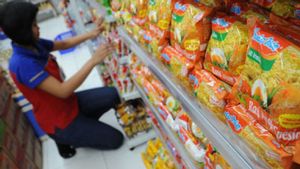
JAKARTA - Taiwanese authorities have just reported finding pesticide content, ethylene oxide in Soto Banjar Limau Kuit variant Indomie products. The ethylene oxide content is at a level that does not meet Taiwanese standards.
Ethylene oxide (EtO) is a colorless, flammable, and sweet-smelling gas used as a raw material for the chemical industry. Although useful, etylene oxides are toxic substances that are harmful to the body, so it is not recommended to use them in food.
"Ethylene oxide is a dangerous substance for the body. Usually it is used for food industry techniques, but it should not be excessive, or it should not even be detected in the food industry," said an internal medicine specialist at Abdi Waluyo Hospital, dr. Paulus Simadibrata, Sp.PD, when met in Jakarta, on Friday 12 September 2025.
"It happened whether it was due to pollution or because there was an error in this food production, I don't know yet, so it was rejected in Taiwan," he added.
SEE ALSO:
-
 | EKONOMI
Produsen Indomie Punya Auditor dan Penyelia Halal untuk Pastikan Jaminan Mutu
05 Desember 2024, 16:55 -
 | EKONOMI
Penuhi Semua Persyaratan, Indomie Dinobatkan sebagai Global Halal Brand 2024
05 November 2024, 05:36 -
 | KESEHATAN
Taiwan Laporkan Temuan Indomie Mengandung Etilen Oksida, Ini Kata BPOM
12 September 2025, 13:37
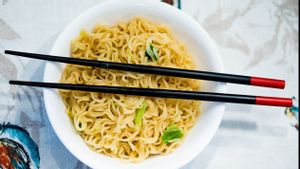
When a person consumes ethylene oxides, it can cause digestive disorders, such as stomach pain to diarrhea. Ethylene oxides can also cause poisoning effects.
"For the body, it can cause poisoning rather than substances that are not allowed. It can affect digestion, in the form of diarrhea, stomach pain," he said.
If the consumption of ethylene oxide occurs in the long term, it can cause Inflammatory Bowel Disease (IBD). This is an inflammation of the gut, which is a group of chronic autoimmune conditions, where the immune system attacks healthy tissues in the digestive tract.
"In the long term it can cause network damage, and the severity can also be done to the IBD," he explained.
Therefore, Doctor Paulus suggested that people avoid consuming dietary foods such as instant noodles excessively. Foods and drinks that contain artificial sweeteners should also be avoided because it can also have an impact on causing IBD if consumed in the long term.
"That's why we recommend that people don't consume too much preservative food. Maybe not only etylene oxide, yes, artificial sweetened materials. That's already a lot of countries that prohibit artificial sweeteners too," concluded Doctor Paulus.
The English, Chinese, Japanese, Arabic, and French versions are automatically generated by the AI. So there may still be inaccuracies in translating, please always see Indonesian as our main language. (system supported by DigitalSiber.id)
Most Popular Tags
#Prabowo Subianto #donald trump #firearm #8791 #giias 2026Popular


