
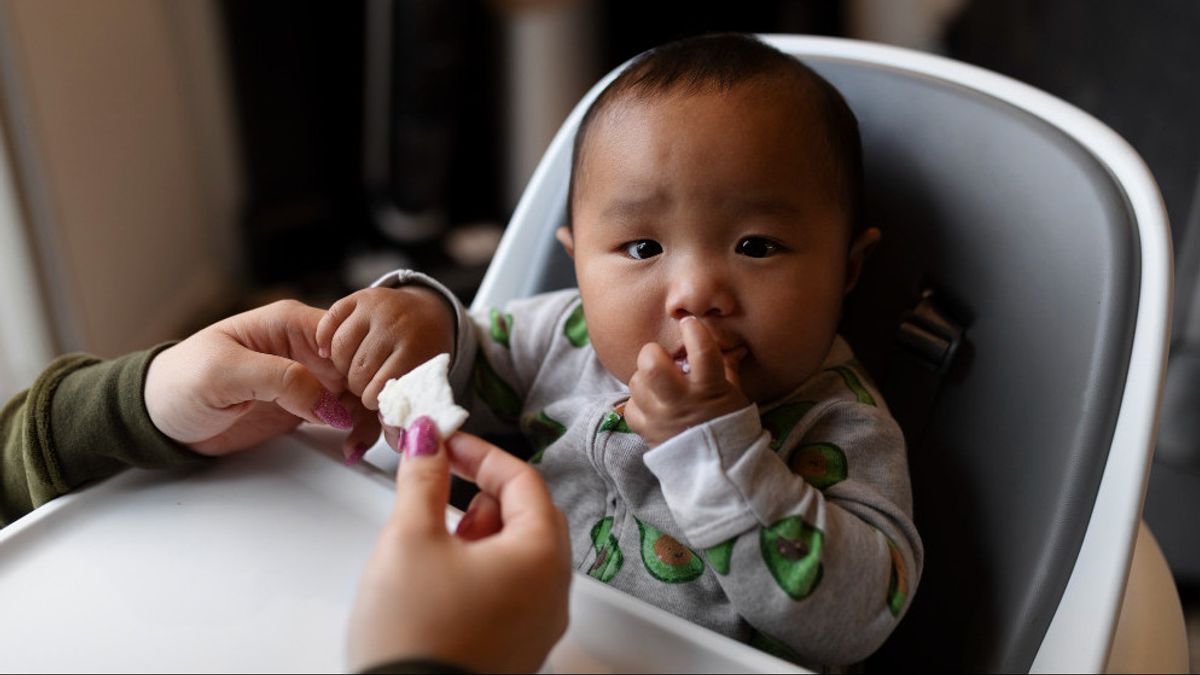


YOGYAKARTA - The impact of giving MPASI too early is often not realized by parents. Although it looks trivial, introducing solid food too quickly can pose various health risks to the baby.
Providing MPASI according to recommended time is very important to support the digestive system and the still developing immunity of the baby. If given too quickly, the baby is prone to allergies, infection, and lack of nutrition.
Many parents are still confused, so when is the really the right time to introduce solid food to the baby?
Reporting from the TriHealth Population Health Organization (TPHO) page, experts suggest that MPASI be given when the baby is about 6 months old.
However, there are some experts who say it can start from 4 months, but waiting up to 6 months is considered better because it can reduce the risk of food allergies.
In addition, babies under this age are usually not ready in progress to digest foods other than breast milk or formula.
Also read the article that discusses Syok Sepsis is the Senyap Killer, Recognize Symptoms Before It's Too Late!
SEE ALSO:




When the time comes, parents are encouraged to introduce MPASI to simple foods such as fruits, vegetables, or soft meat. This food is easy to swallow and doesn't make digestion work too hard.
Although oranges are often considered an allergic trigger, it turns out that the risk of allergies is lower than other foods, so they may start to be introduced at the age of 9 months.
Another important tip, give a 3'4 day gap before trying out a new type of food. That way, parents can know whether the baby has an allergic reaction, such as a skin rash or not.
It is important for parents to know eight types of food that trigger the most allergies in children, or what is commonly called big eight of them:
Experts suggest that the types of food above are only introduced after the baby is 1 year old to reduce the risk of serious allergies.
Reporting from the Eat Play Say page, there are two main reasons why waiting for about 6 months to start MPASI is the best choice.
First, at this age, babies are generally ready motorly to eat. Second, in terms of nutrition, breast milk or formula, all the nutritional needs of the baby are sufficient until the age of 6 months.
Thus, there are no additional nutritional benefits by providing solid food earlier.
Before starting the MPASI, babies need to master certain gross motor skills, and usually this only appears after the age of 6 months, even up to 7 months.
Now the most important sign is that the baby is able to sit upright without help for a few minutes. Sitting independently showing the baby's neck, head and trunk muscles are strong enough to swallow safely, as well as allowing it to bring food to its own mouth.
Babies who are given too early will usually become passive, meaning they may accept bribes, but are not able to eat independently.
In addition, babies should also show an interest in food, it can be seen when they often put toys in their mouths. This gross motor skills form the basis before the baby develops the fine motor skills needed when eating.
Thus, babies should start MPASI at the age of 6 months so that digestion are ready and the risk of allergies is reduced. Then it is important to start with simple fruits, vegetables, or meat.
In addition, don't forget to introduce your baby to new food every 34 days, and postpone the provision of big eights that trigger allergies until the age of 1 year.
In addition to discussing the impact of the provision of mpasi too early, follow other interesting articles on VOI, to get updated news, don't forget to follow and monitor all of our social media accounts!
The English, Chinese, Japanese, Arabic, and French versions are automatically generated by the AI. So there may still be inaccuracies in translating, please always see Indonesian as our main language. (system supported by DigitalSiber.id)
Most Popular Tags
#Prabowo Subianto #donald trump #2026 World Cup #Febrie Adriansyah #8791Popular


