
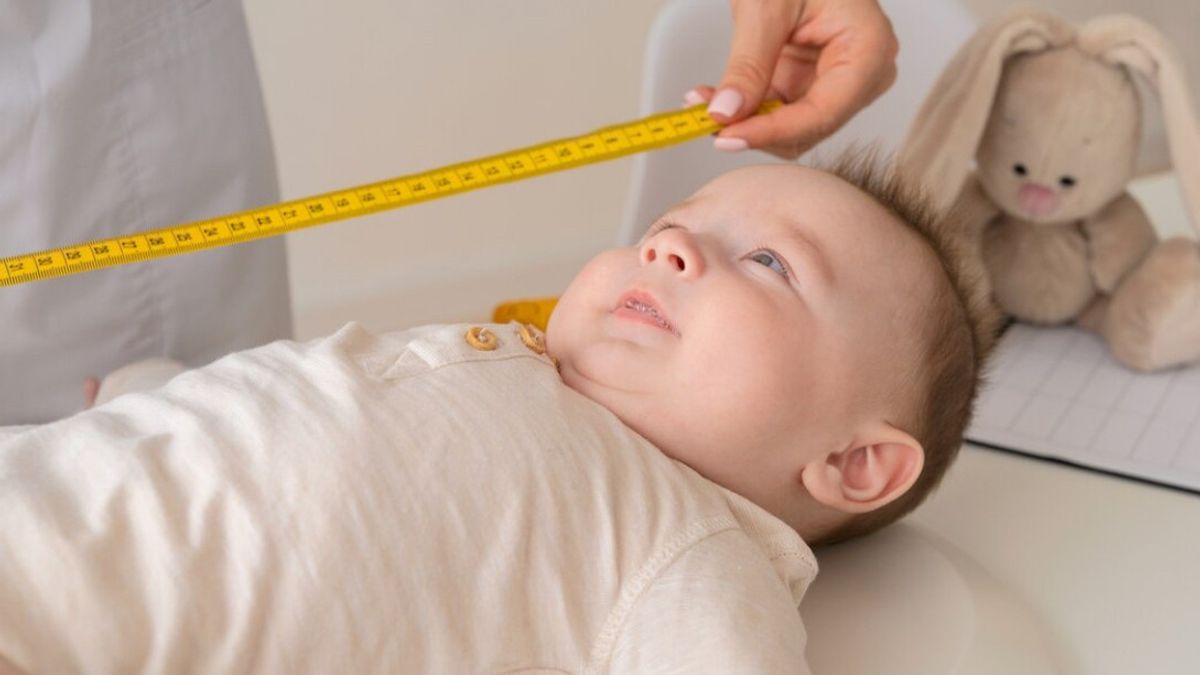


JAKARTA - In addition to the problem of excess weight (obesity), there are other conditions that need to be considered in toddlers, namely weight printing. This condition can affect the growth and development of toddlers and increase the risk of stunting if not handled properly.
'Weight defltering is a signal that toddlers do not get the nutrition according to their needs. If not handled earlier, the impact can continue on stunting which affects brain development and long-term growth," said Dr. dr. Ray Wagiu Basrowi, MKK, FRSPH, quoted from the Nutriclub page.
Weight faltering is a condition when a toddler's weight does not develop according to his age standards. This means that weight gain occurs very slowly or does not increase. This condition is also known as theft growth.
This is the most common situation in the first 15 months of life, especially in infants aged 3'4 months, both those who get exclusive breastfeeding and formulas.
SEE ALSO:
-
 | LIFESTYLE
Budaya Kerja Sehat yang Bikin Karyawan Betah dan Semakin Produktif
28 Agustus 2025, 19:35


Weight Faltering Signs On Babies
The main sign is that weight gain is lacking or not in accordance with the growth graph. Some toddlers even experience weight loss. According to IDAI, normal weight gain for toddlers is:
- 25-30 grams per day (750-900 grams per month) at the age of 0-3 months.
- 20 grams per day (600 grams per month) at the age of 4-6 months.
- 15 grams per day (450 grams per month) at the age of 6-9 months.
In addition to weight that does not rise according to age, other signs include:
- The increase in the head circumference is smaller than the standard
- Long-body growth is hampered
- Slowdown in social developments such as lack of response to facial expressions
- Motor slowdown, for example, has not been able to roll over after the age of 6 months or has not sat at the age of 9 months
Monitoring can be done through KMS or KIA Books.
Causes of Weight Faltering
This condition generally occurs due to inadequate nutritional intake, but there are several other factors that can affect it:
1. Insufficient breast milk or MPASI
Exclusive breast milk is important for the first 6 months. After that, MPASI is needed which is rich in energy, protein, and micronutrients.
2. Poor toddler diet
Low appetite, food voters (picy ether) or irregular eating habits can limit nutritional intake.
3. Disorder of nutritional absorption
Some toddlers have difficulty swallowing, breastfeeding, or having conditions that make the body unable to absorb nutrients properly.
4. Certain history or medical conditions
Around 5% cases are related to digestive problems or other diseases that interfere with the absorption of nutrients.
Impact of Weight Faltering
If not treated, this condition can cause underground, waste, failure to grow and increased stunting risk. In addition, the development of vision, learning, motor skills, and immunity can also be affected.
How To Overcome Weight Faltering
1. Continue to provide breast milk
Breast milk remains the main source of nutrition for babies under the age of 1. If needed, doctors can recommend additional milk as needed.
2. Improve your diet
Make sure the meal schedule is regular and the portion is appropriate for the baby's age and condition.
3. Sufficient energy and protein
- 05 months: 550 kcal and 9 grams of protein/day
- 6'11 months: 800 kcal & 15 grams of protein / day
4. Avoid excessive food during recovery
Excessive giving can trigger diarrhea and disrupt the absorption of nutrients.
5. Consultation and medical treatment if necessary
Several toddlers need intensive monitoring by medical personnel.
Prevention of Weight Faltering
- Regular control during pregnancy
- Monitor the growth of toddlers on a regular basis
- Give exclusive breastfeeding for 6 months and balanced MPASI afterwards
- Learn the correct breastfeeding attachment technique
- Consult immediately if the weight does not match the graph
The English, Chinese, Japanese, Arabic, and French versions are automatically generated by the AI. So there may still be inaccuracies in translating, please always see Indonesian as our main language. (system supported by DigitalSiber.id)


