


JAKARTA - In recent years, microplastics has become one of the environmental issues that also has a direct impact on human health, including skin health. These very small plastic particles can stick to the surface of the skin through air, rainwater, or body care products that contain microplastic materials.
When it accumulates, these particles can trigger irritation, inflammation, and disrupt the natural microbiome balance on the skin. Long-term exposures even have the potential to worsen sensitive skin conditions and trigger allergic reactions.
A dermatologist who graduated from Hasanuddin University, dr. Fransiskus Xaverius Clinton, Sp.DVE, explains that microplastics are included in the allergen group, which is a substance that can cause allergic reactions and threaten skin health.
"Microplastics in general can act as allergens. Pollution, dust, and microplastic particles can trigger skin disorders, especially for those who have sensitive skin or are experiencing skin problems," said dr. Clinton in a media meeting in Jakarta, as quoted by ANTARA.
Responding to the findings of rain in Jakarta containing microplastics, dr. Clinton said that the effect is similar to air pollution. These particles can worsen facial skin conditions, especially for those who have problems such as eczema or acne (acne).
He added that the severity of skin reactions can be influenced by various internal factors, such as diet. Excess sugar consumption or milk products in high quantities, for example, can trigger a glycical process that exacerbates inflammation of the acne skin.
According to dr. Clinton, one of the important steps to prevent inflammation due to microplastic exposure is to improve eating patterns.
"Consumption of foods rich in antioxidants and anti-inflammatorys, such as vegetables such as celery can help strengthen skin defenses. Reducing sugar and maintaining skin microbiomes is also very important to protect the skin from the effects of pollution and microplastics," he explained.
SEE ALSO:
-
 | KESEHATAN
Air Hujan di Jakarta Tercemar Mikroplastik, Ini Penjelasan Pakar IPB
21 Oktober 2025, 15:49 -
 | KESEHATAN
Buah dan Sayuran dengan Kandungan Mikroplastik Tertinggi yang Perlu Diwaspadai
02 Oktober 2025, 09:55
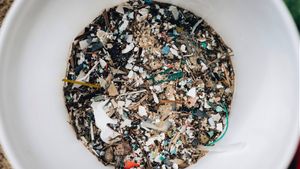

Meanwhile, clinical microbiology specialist dr. Ayman Alatas, Sp.MK, emphasized that microplastics is a serious threat to human health because it can disrupt the balance of microbiomes, both in the skin and in the digestive tract.
"Research on the impact of microplastics on the skin is still ongoing. However, there are indications that these particles can interfere with microbiomes, both on the surface of the skin and in the digestive system when entering the body," explained dr. Ayman.
He emphasized that the existence of microplastics is now completely unavoidable. Therefore, each individual needs to strive to maintain the health of the skin and microbiomes of the body through the right habits, including the selection of skin care products that support the balance of microbiomes.
"We need to try to protect the skin by reducing risk factors that can disrupt microbiomes. Use products that not only clean, but also balance the skin's natural ecosystem, such as products with microbiome technology," he added.
In line with this, a skin specialist who graduated from the University of Indonesia, dr. Sari Chairunnisa, Sp.DVE, FINSDV, suggested that people continue to carry out basic skin care in the right way in any weather conditions.
The LABORE brand founder gave an example of basic care including cleaning the face using soap that is suitable for skin types, using moisturizers to maintain hydration, and applying sunscreen to protect the skin from exposure to UVA and UVB rays.
The English, Chinese, Japanese, Arabic, and French versions are automatically generated by the AI. So there may still be inaccuracies in translating, please always see Indonesian as our main language. (system supported by DigitalSiber.id)
Most Popular Tags
#Prabowo Subianto #donald trump #firearm #8791 #giias 2026Popular


