
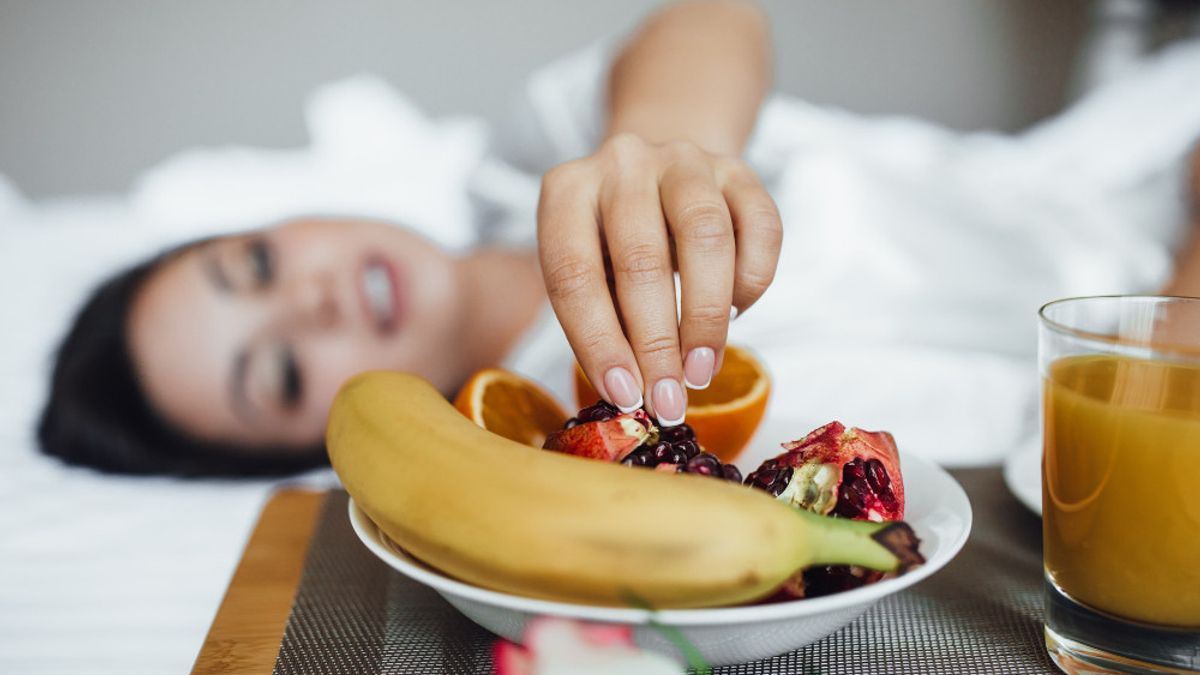


YOGYAKARTA If done properly, a diet can help detox the body and be healthy. But many people who go on a strict diet to lose weight experience sleep as a side effect. In fact, good quality sleep is very important for the success of diet and health as a whole. If you are on a diet but getting enough sleep, some small adjustments can help. Here's how to deal with insomnia during a strict diet that needs to be done.
When dieting, many people immediately cut all types of carbohydrates. In fact, the body still needs complex carbohydrates to keep blood sugar levels stable. This carbohydrate also helps produce serotonins that play a role in sleep quality. You can choose healthy sources such as oats, sweet potatoes, or red rice in a controlled portion. Avoid fast food carbs, but don't lose full carbohydrates.
Eating too late at night can cause the body to not finish digesting when you sleep. On the other hand, if you eat too late, you can feel hungry in the middle of the night and wake up. Quoting the Sleep Foundation, Tuesday, July 29, it is necessary to eat 23 hours before going to bed with a light but quite nutritious portion. Make sure you don't sleep too full or too hungry.
Protein is very important in diet, but excessive consumption, especially red meat, can make digestion slow and interfere with sleep. So, choose a source of light protein such as skinless chicken, fish, eggs, or tofu and tempeh. Combinate with vegetables so that the body remains light and does not "work hard" at night. You should know, protein also helps keep muscle mass as long as you lose weight.
Maybe you feel you need sweet snacks or coffee to increase your energy while on a diet. However, consuming caffeine or excess sugar in the afternoon or evening can make it difficult for you to sleep. Therefore, it is necessary to choose healthy snacks such as fruit, nuts, or caffeine-free herbal tea. You also need to limit caffeine to at least 6 hours before bed to maintain the quality of your rest.
SEE ALSO:
-
 | INFO SEHAT
Harus Dihindari, 7 Kesalahan Diet yang Justru Bikin Berat Badan Naik
23 Juli 2025, 14:55 -
 | INFO SEHAT
Bakar Lemak saat Tidur? Ini 6 Kebiasaan Sederhana yang Bisa Anda Lakukan
16 Juni 2025, 20:25



Tight diets sometimes make the body have important nutritional deficiencies such as magnesium, zinc, and complex vitamin B. All these micronutrients are related to sleep quality. You can meet this need through food or supplements if needed. Of course, you need to consult a doctor and nutritionist to ensure optimal results from the strict diet you are on. What is certain is that foods in the form of green vegetables, nuts, and seeds can be a healthy and natural choice.
Sleep and diet are as important in maintaining health. If you are on a strict diet but the quality of sleep decreases, then the weight loss process can be hampered. With simple steps as described above, you can still sleep well while on a healthy diet.
The English, Chinese, Japanese, Arabic, and French versions are automatically generated by the AI. So there may still be inaccuracies in translating, please always see Indonesian as our main language. (system supported by DigitalSiber.id)


