
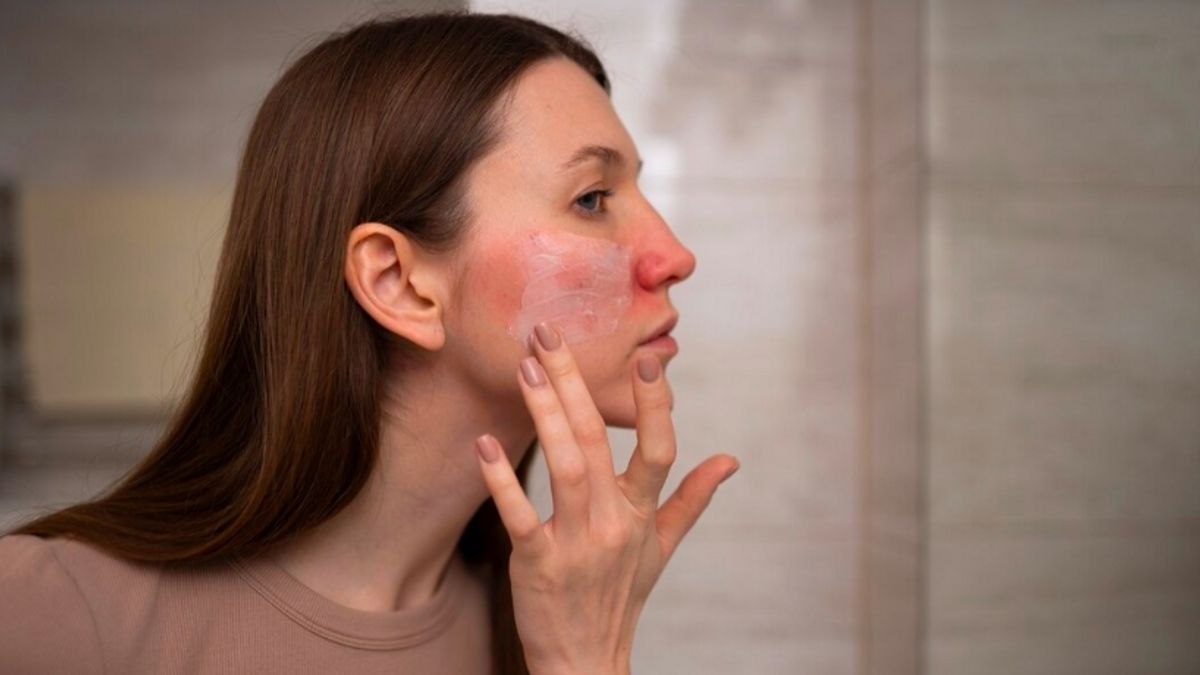


JAKARTA - Dry skin is one of the most common complaints experienced by many people, both men and women at all ages. Even though it sounds trivial, this condition can be very disturbing because it causes discomfort, itching, breaking, and even wound if left for too long.
Many people deal with dry skin by using lotions or moisturizers, but not infrequently the results are not as effective as expected. So, why can the skin keep dry even though it is regularly using lotions?
Dry skin, in medical terms known as xerosis, occurs when the skin loses moisture or fluid excessively. Normally, the skin has a natural shield that helps maintain moisture and prevents water from evaporating from the skin's surface. However, when this barrier is damaged or disturbed, the skin cannot maintain its moisture and becomes dry, rough, or even scaly.
Although lotion can help moisturize the skin, in some cases, the skin still feels dry. This shows that there are other factors that are more basic and need to be handled thoroughly.
Reporting from the American Academy of Dermatology page, here are several reasons why your skin may stay dry even though you are regularly using lotions.
1. Low Nutrition Is Important
Healthy skin comes from within the body. Lack of several types of vitamins and minerals can have a direct impact on skin health. Nutrients such as vitamin D, vitamin A, niacin (vitamin B3), and iron have an important role in maintaining skin moisture and protective function.
Vitamin D helps strengthen skin protection layers and support the regeneration process of new skin cells.
Vitamin A is important to strengthen epithelial tissue, namely the surface layer of the skin, and prevent skin peeling excessively.
Niacin (B3) functions to maintain a natural barrier to the skin and prevent fluid loss.
Iron is needed to transport oxygen throughout the body, including to the skin tissue. Without enough oxygen, the skin can become dry, pale, and dull.
If your body is short of one of these nutrients, lotion alone will not be enough to deal with dry skin. Nutrients must be obtained from a healthy diet or supplement if needed.
2. Smoking Habits
Smoking not only has a bad impact on the lungs and heart, but also accelerates the aging process of the skin and causes the skin to lose moisture. The chemicals in cigarettes can damage collagen and elastin, two proteins that keep the skin smooth and moist.
Smoking also narrows blood vessels on the skin's surface, so that blood flow and nutrients to the skin become limited. This can cause the skin to become drier, dull, and prone to irritation. In addition, smoking also reduces vitamin A levels in the body, which are very important for skin health.
3. Certain Skin Medical Conditions
Some people have certain skin conditions that do cause the skin to lose moisture faster. Example:
- Atopic (excit) dermatitis: chronic skin inflammation that causes itching, red, and very dry skin.
- Psoriasis : Autoimmune disease that accelerates changes in skin cells, causing scales and dry skin.
- Iktiosis : Genetic disorder that causes the skin to thicken and scaly like a fish scales.
- Dermatitis perioral : Ruam which often appears around the mouth, accompanied by peeling and sore skin.
- Seboroik dermatitis: Inflammatory skin in oily areas such as face and facial skin, can cause dryness and scaly.
If dry skin is caused by medical conditions like this, treatment with an ordinary lotion is not enough. Special treatment is needed, such as a corticosteroid cream or therapy from a dermatologist.
SEE ALSO:
-
 | INFO SEHAT
Pertolongan Pertama untuk Masalah Cedera Kaki, Jangan Asal Diurut!
17 Februari 2025, 18:02 -
 | INFO SEHAT
10 Tips Ilmiah Menyimpan Bahan Makanan agar Tetap Segar Lebih Lama
17 Februari 2025, 16:46 -
 | INFO SEHAT
Diduga Penyebab Kematian Kim Sae Ron, Kenali Gejala Henti Jantung
17 Februari 2025, 15:25 -
 | INFO SEHAT
Dokter Tirta Beri Penjelasan soal Air Mineral Ada Manisnya, Bisa Bikin Diabetes?
17 Februari 2025, 13:25
4. Kronis Diseases That Affect Skin Implementation
Some chronic diseases can also cause the skin to become very dry. For example:
- Diabetes: High blood sugar content can cause the body to pull liquids from skin cells, thus making the skin dry and itchy.
- thyroid disorders: Hypothyroidism (antiroidally less active) can slow skin metabolism and reduce natural oil production.
- Kidney disease: Reduction in kidney function can cause fluid imbalance and electrolyte, which has an impact on skin moisture.
If you have a chronic disease, it's important to manage these conditions first. Lotion will only provide temporary assistance if the main cause is not treated.
5. Medical Procedures such as Blood Washing (Researched)
Patients undergoing analysis due to kidney failure often experience very dry skin. This is due to excessive fluid expenditure from the body during the analysis process, as well as strict daily fluid intake restrictions. As a result, the skin becomes dehydrated and is very susceptible to irritation.
In cases like this, skin care must be done carefully. Usually doctors will recommend a more intensive special moisturizer, or products that are free from fragrance and irritation.
6. Work That Makes Skin Often Exposed To Water Or Chemicals
Works that make the hands or skin often exposed to water, soap, determinants, or hard chemicals can damage the protective layer of the skin.
Some professions that are prone to dry skin include nurses or medical personnel, janitors, chefs and cooks, builders or construction workers, and factory or chemical industry workers.
To prevent further skin damage, it is important to always use protective gloves, avoid hard soap, and use moisturizers after washing hands.
The English, Chinese, Japanese, Arabic, and French versions are automatically generated by the AI. So there may still be inaccuracies in translating, please always see Indonesian as our main language. (system supported by DigitalSiber.id)


