


YOGYAKARTA Enough protein consumption is important to maintain muscle mass, increase saturation, and maintain energy throughout the day. For those of you who are on a diet, in particular, aiming to lose weight, enough protein consumption really helps reduce calorie intake. With different goals, many people choose alternative consumption of protein by drinking powder protein or powder protein. Especially those who undergo high to moderate intensity exercise. But it turns out, there are a number of conditions that are the reasons why you need to stop drinking powder protein, this is the explanation.
The powder protein contains a protein concentration that is so high that it is difficult to digest. According to nutritionist Jessica Shand, reported by Vogue, Wednesday, June 4, it is very common for people who consume powder protein to feel uncomfortable digestion. This can be caused by several factors, including the poor quality of protein sources. For example, due to low quality wrapy or isolate. It could also be because it is mixed with additional sugar, sugar alcohol, synthetic taste, diluting or gom which can irritate the intestinal lining.
Many powder proteins contain milk-based proteins, such as whey and kasein. This can cause problems for those with lactose intolerance conditions. In addition, protein in high doses, especially in liquid form, is more difficult for someone who has a disorder in the function of dilution or low stomach acid.
After consuming powder protein and experiencing bloating stomach or stomach pain, it is important to stop consuming it. It is also important to consult a nutritionist in order to get the best recommendations for your protein intake. Stomach bloating or stomach pain after consuming powdered protein, can occur because undensed proteins completely settle in the stomach and start producing gas.
Good digestable protein is converted into amino acids and peptides. But if not digested properly, it can change the intestinal environment.
Pord protein is available in a variety of flavors, some of which use artificial sweeteners so that the taste is made as good as possible. For example, strawberries and chocolate flavors, which must be ascertained what the composition is. If it contains artificial sweeteners and additional flavors, it can disrupt intestinal microbiomes, which causes severe strain fever and allergies.
Some powder proteins contain aspartam or potassium assesulfam. According to research in 2022, this material is associated with a greater risk of cancer, although this study must be widely and thoroughly retested.
SEE ALSO:
-
 | INFO SEHAT
Ahli Gizi Ungkap 5 Makanan yang Sebaiknya Tidak Dikonsumsi saat Sarapan
25 April 2025, 23:25 -
 | LIFESTYLE
Hal-Hal yang Harus Anda Ketahui dari Susu Penambah Massa Otot, Simak Sebelum Dikonsumsi
02 Februari 2025, 03:25
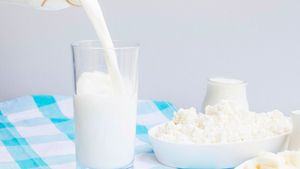

Corn protein in certain products can convert a glass of milk into 1,200 calories. The risk of drinking high protein drinks in one glass, gaining weight and soaring blood sugar. Citing Harvard Health, drinking powder protein may have long-term effects even though there is only limited data that can prove its impact.
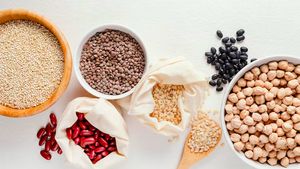
There are many ways to get enough protein intake without turning to powder protein. This can be a consideration to prevent the impact of consuming powder protein as described above. Such as by obtaining protein from whole foods, nuts, seeds, low-fat dairy products, pods, fish, poultry, eggs, and fatless meat.
The English, Chinese, Japanese, Arabic, and French versions are automatically generated by the AI. So there may still be inaccuracies in translating, please always see Indonesian as our main language. (system supported by DigitalSiber.id)


