


Child specialists who graduated from Padjadjaran University, dr. Ackni Hartati, Sp.A, M.Kes conveyed tips that parents can do to deal with their children if they experience illness during their homecoming trip.
"Maintaining the health of children during this homecoming, we must see what health risks are the most common during homecoming for children whose parents should know," said doctor Ackni as quoted by ANTARA.
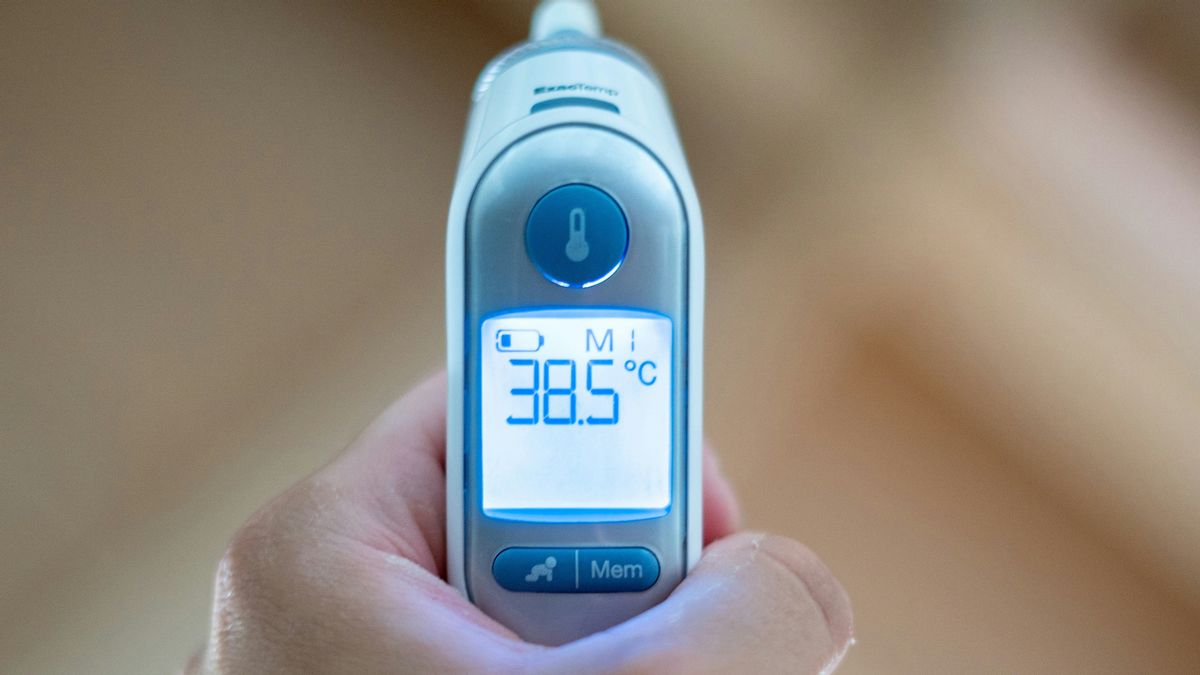
The doctor who practices at Permata Bekasi Hospital explained that one of the health risks that children often experience during going home is fever which is a symptom of body heat.
It is important for parents to bring hot medicine, one of which has paracetamol with an adjusted dose. However, if you have taken the hot medicine, you are advised to take it to the hospital.
"He usually has hot medicine, yes, paracetamol is usually safer because he doesn't really stimulate the stomach. If the heat is above 38.5 given hot medicine for 4 to 6 hours, it can be taken to the hospital immediately," he explained.
If you experience high heat, the child has a history of fever or seizures that do not drop, it is also recommended to be taken to the nearest hospital.
Then, according to him, digestive disorders such as diarrhea can also occur in children when going home, this is because they are often caused to eat food purchased along the journey of not being clean or not fresh.
SEE ALSO:
-
 | INFO SEHAT
Apa Itu Tall Poppy Syndrome? Iri Melihat Orang Lain Lebih Sukses dan Unggul
19 Maret 2025, 17:55 -
 | INFO SEHAT
10 Tips Ilmiah Menyimpan Bahan Makanan agar Tetap Segar Lebih Lama
17 Februari 2025, 16:46 -
 | INFO SEHAT
Diduga Penyebab Kematian Kim Sae Ron, Kenali Gejala Henti Jantung
17 Februari 2025, 15:25 -
 | INFO SEHAT
Dokter Tirta Beri Penjelasan soal Air Mineral Ada Manisnya, Bisa Bikin Diabetes?
17 Februari 2025, 13:25
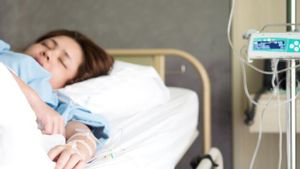
The impact of diarrhea is feared if the child is dehydrated or lacks fluids, it can even experience electrolyte disorders.
"Through diarrhea, urinating continuously until the child has a sign of dehydration, such as a little urinary or when crying, the color is rather thick, it means that the sign of dehydration or the child becomes weaker. So take it to the nearest doctor or hospital during the trip," he said.
According to him, upper respiratory tract infections (ARI) or such as coughing runny noses can also occur in children during homecoming, especially usually those using two-wheeled motorized vehicles.
He suggested using a mask to prevent during the trip and bring medicines that can be consulted with a doctor. However, if the child has started experiencing shortness of breath or fast breathing, he must be taken to the nearest health facility.
"If he is short of breath or shortness of breath, he is usually caught in the respiratory tract. His breath is based on age if, for example, over 1 year, usually more than 40 times in 1 minute," he said.
"So the breath looks so there is a breath assistance or it's like there is a breath business, it's a bit heavy or it sounds fun. That's afraid he really needs special facilities, so he has to be taken to the hospital," he added.
Furthermore, he added that if going home with babies or children under 3 years old who are still using diapers or diapers, they must be paid attention to by often being replaced by about 3 to 4 hours to prevent a diapers rash.
"For example, if it's just a normal cough, the child is still running around, still wants to eat and drink, there's still a lot of urine, that's safe," he said.
The English, Chinese, Japanese, Arabic, and French versions are automatically generated by the AI. So there may still be inaccuracies in translating, please always see Indonesian as our main language. (system supported by DigitalSiber.id)


