

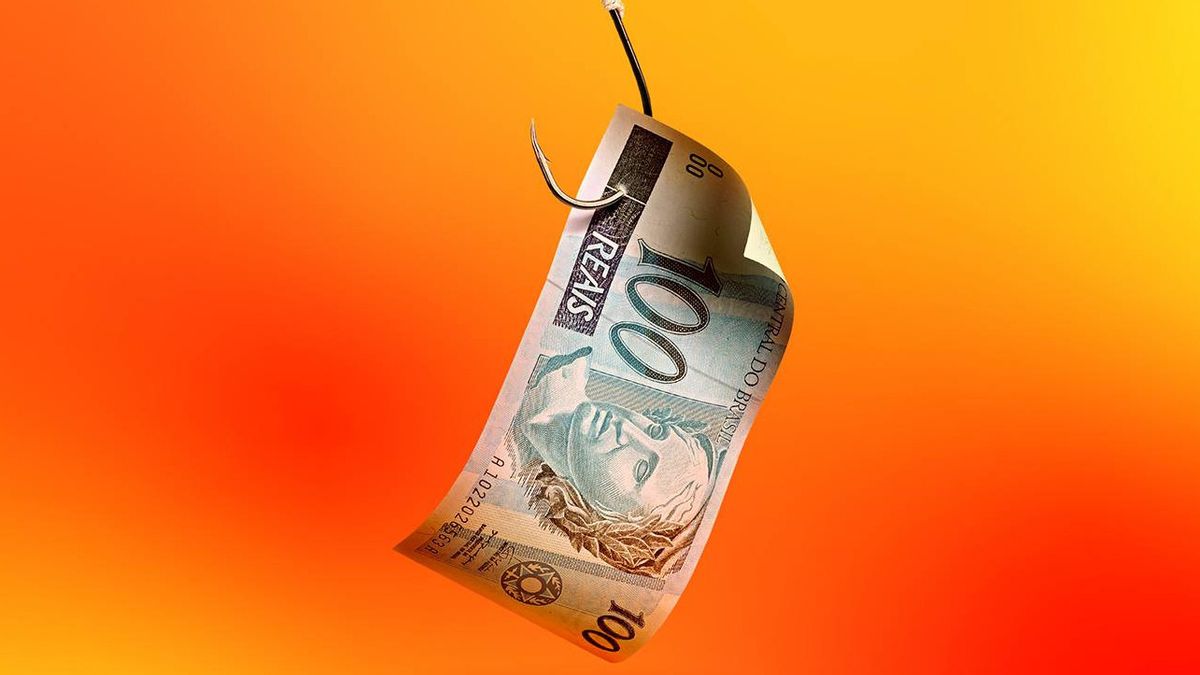


JAKARTA - According to Kaspersky's latest report, attacks on Android smartphones in Q1 2025 reached 180,000 (an increase of 27 percent from Q4 2024).
In addition, Kaspersky has also managed to block more than 12 million threats on smartphone users' devices (an increase of 36 percent from Q4 2024).
Of the number of attacks, Kaspersky found that Mamont's banking trojans, most were found, where they disguised themselves as legitimate software to steal banking credentials, text messages, and personal data.
Another mobile threat activity is the Backdoor levy, which was discovered on popular branded fake smartphones. The malware was installed by attackers at several points after smartphones left the factory and before reaching the market.
They can change the address of the crypto wallet during the transfer effort, change links in the browser, send random text messages and intercept replies, and steal login credentials for messaging and social media applications.
SEE ALSO:
-
 | BERITA
Akhirnya, Plt Wali Kota Jakarta Timur Rasakan Dorong-dorongan saat Naik Angkot
30 April 2025, 08:51





Malware Analyst Lead Team at Kaspersky, Anton Kivva said that the increase in attacks was influenced by several things. Mainly, because currently the majority of financial transactions occur through mobile banking applications.
"With the majority of financial transactions now happening through mobile banking applications, where users manage all their funds, smartphones are the main target for cybercriminals," Kivva said in a written statement quoted on Sunday, June 8.
He also emphasized that strong cellular protection, coupled with increasing digital literacy of users, is very important to protect against this increasing risk.
Furthermore, to protect yourself from cellular threats, Kaspersky advises:
The English, Chinese, Japanese, Arabic, and French versions are automatically generated by the AI. So there may still be inaccuracies in translating, please always see Indonesian as our main language. (system supported by DigitalSiber.id)
Most Popular Tags
#Prabowo Subianto #donald trump #firearm #8791 #giias 2026Popular


