


JAKARTA - Recent reports confirm that Apple can legally create an iPhone without a USB-C port in the European Union market. This decision opens up the possibility for Apple to release a portless iPhone in the future. But for now the company still maintains a USB-C port on the iPhone 17 Air.
Apple was previously required to replace its Lightning port to USB-C to comply with EU rules related to Common Charger Directive. This regulation aims to reduce electronic waste by setting the same charging port standards for all electronic devices in the EU.
Initially, this rule almost required the use of microUSB ports, but since USB-C has become a common standard when the rules are finalized, the port is required in law.
Apple also changed the charging ports on Mac and iPad to USB-C early, but still uses Lightning on the iPhone until this rule comes into effect in January 2025. Prior to that time limit, Apple stopped selling iPhone 14 and iPhone SE, which were still using Lightning.
According to a report from Bloomberg, Apple had considered making the iPhone 17 Air the first iPhone without ports. This means the device will only support wireless charging and data synchronization via the cloud, without any cable connections at all.
However, Apple eventually canceled the plan for fear this decision would cause problems with EU regulators, which have required the use of a USB-C port.
European Union: IPhone Without Port Remains Legal
Although Apple had doubts, a spokesman for the European Commission, Federica Miccoli, confirmed that EU law does not require phones to own a USB-C port, only if the device has a cable charging port, then the port must be USB-C.
"Because such devices cannot be charged via cable, there is no need to include a harmonized cable charging solution," Miccoli said.
SEE ALSO:
-
 | TEKNOLOGI
Balap Chrome, Microsoft Edge Luncurkan Ekstensi untuk Pengguna Android
19 Maret 2025, 18:05

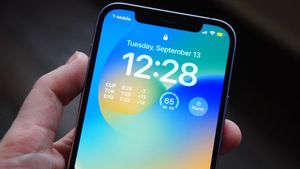


In other words, if Apple makes an iPhone without a port at all, it remains legal to sell in the European Union.
In addition, EU rules also emphasize the importance of standardizing wireless charging to avoid market fragmentation. Apple has taken a major step by donating MagSafe standards to Wireless Power Consortium, which is now part of Qi2's standard. This means devices that only support MagSafe charging still meet EU regulations.
Although Apple has decided to stick to USB-C on the iPhone 17 Air, the European Union's decision opens the door to an iPhone without ports in the future. With wireless charging technology growing and data transfer through the cloud, Apple will most likely release an iPhone without ports in the next few years.
The English, Chinese, Japanese, Arabic, and French versions are automatically generated by the AI. So there may still be inaccuracies in translating, please always see Indonesian as our main language. (system supported by DigitalSiber.id)
Most Popular Tags
#Prabowo Subianto #donald trump #Febrie Adriansyah #8791 #giias 2026Popular


