


The decision of the Central Jakarta Commercial Court which won Ari Bias' lawsuit against Agnez Mo was widely responded by Indonesian music personnel, some of whom were Melly Goeslaw and Armand Maulana.
Melly Goeslaw, a singer-songwriter with many hits, who currently serves as a member of Commission X of the Indonesian House of Representatives and is the figure behind the successful revision of the Copyright Law (UUHC) to enter the 2025 priority prolegnas, questioned the judge's decision to grant Ari Bias' lawsuit.
Meanwhile, Armand Maulana, the vocalist of the band GIGI who has been respected by many musicians, with experience in the music industry for more than three decades, regretted the impact of Ari Bias and Agnez Mo's problems which could have a negative impact on the music ecosystem.
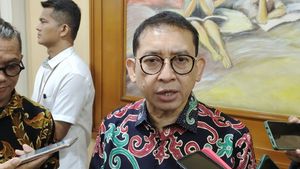
Responding to the statements of the two big names in the Indonesian music industry, Minola Sebayang as Ari Bias' attorney explained that the panel of judges made the right decision on his client's case. He said that many comments that appeared came from people who did not understand the problem.
"So if you say there is a shift that is not in accordance with the law, then what we are talking about, what we conveyed in the trial, and what the judge decided was the basis if not the law," Minola said in Tendean, South Jakarta, Wednesday, February 5.
"So this means comments, statements, people who don't understand the problem but give comments," he added.
SEE ALSO:
-
 | MUSIK
Bantah Pernyataan FESMI, Ari Bias Sebut Penyanyi sebagai Pengguna yang Harus Bayarkan Royalti
05 Februari 2025, 21:35

Ari Bias' lawsuit, Minola said, relates to Article 9 paragraph 1 UUHC, which states that the creator's economic rights include creation performances.
Everyone who wants to use creation commercially must obtain permission from their creator. Well, this is a problem, because there are legal sanctions when someone who wants to use copyright commercially, especially in a live concert, does not ask the creator for permission first," said Minola.
Article 113 states that there is a fine of 500 million losses, apart from the criminal sanctions. So, actually we don't need to be complicated, it means just obey the existing rules. If, for example, before singing, we already know who the creator is, because it's impossible for us to know who the songwriter we are singing, just call," he continued.
"If the singer is complicated, tell EO, that's okay. So what happens is because EO often helps them think it's EO's obligation, no, because in the law what is said to be the actor in the show is the singer, is it possible for the perpetrators of the EO show? No. EO is a professional person, helping an activity, or organizing an activity.
The English, Chinese, Japanese, Arabic, and French versions are automatically generated by the AI. So there may still be inaccuracies in translating, please always see Indonesian as our main language. (system supported by DigitalSiber.id)


