
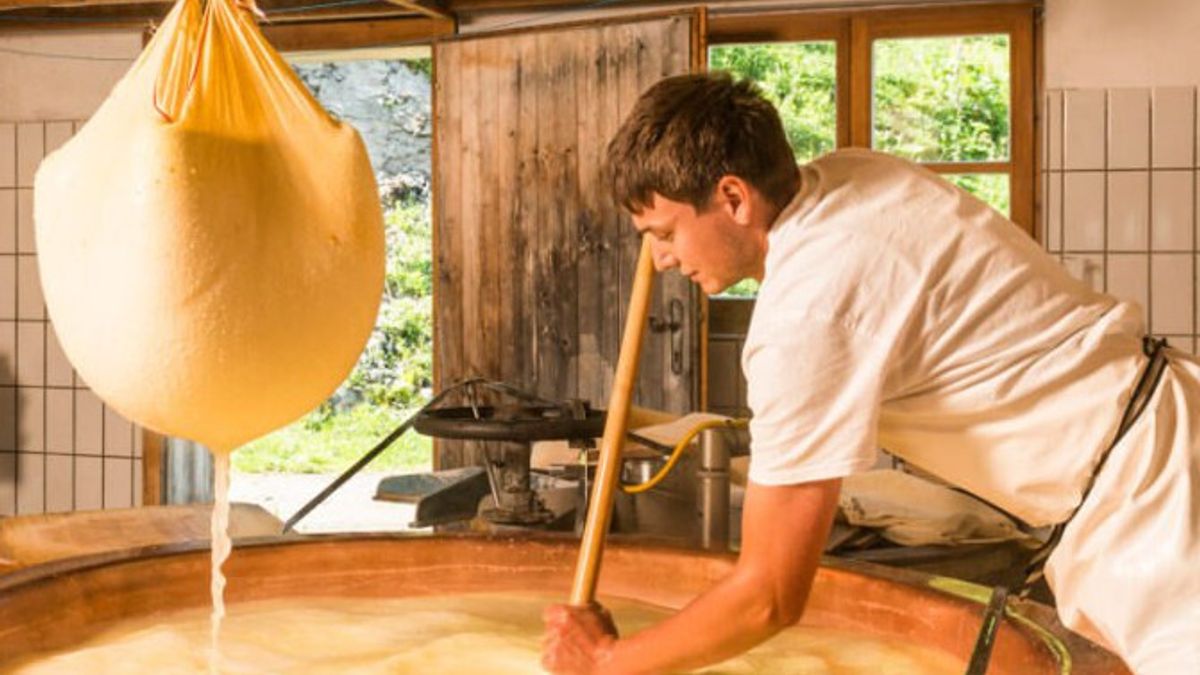


YOGYAKARTA - Cheese is so popular because of its distinctive taste, varied texture, and versatile in various dishes. However, many cheese lovers do not know how this food is produced.
The process of making cheese is through a long stage, from processing milk, equalizing to maturation. Each step in this process plays an important role in creating the unique taste and character of each type of cheese.
Interestingly, although cheese originated from the same basic ingredients, namely milk, the final results could be very diverse. The types of milk used, processing techniques, to the length of maturation, produce a different taste, texture, and aroma.
To understand further, let's explore how exactly the cheese-making process is carried out. But before going to the manufacturing process, we will first discuss the type of milk used.
Cheese can be made from various types of milk and each option provides its own characteristics in the final result. Cow milk is the most commonly used type of milk because it is easy to obtain, and has the ideal content of fat and protein to produce quality cheese.
In addition, sheep milk is also widely used, especially in European countries. Although rarely taken directly because of the high content of lactose, sheep milk actually produces cheese with a strong taste.
There is also cheese that comes from buffalo milk. In fact, in some areas, milk from other animals such as camels, horses, or yes is also used to produce localized cheese. This difference in raw materials makes cheese so diverse and unique.
The first step in the cheese-making process is pasteurization, which is to heat milk at a temperature of about 70 degrees Celsius. The goal is to kill harmful pathogenic bacteria, so that milk is safe to process further.
After being heated, the milk is then cooled until it reaches a temperature of about 3240 degrees Celsius. This temperature is an ideal condition for good bacteria to breed.
The next stage is the milk equalizer by adding lactic acid bacteria, such as Lactobacillus bulgaricus and Streptococcus thermophilus. These bacteria will convert lactose in milk into lactic acid, acetate acid, carbon dioxide and dialysis.
This process not only makes pH milk decrease and is more acidic, but also affects the taste and texture of cheese. Each type of bacteria gives a unique character, so the selection of bacterial culture determines the final result.
Subsequently, the addition of rennet enzymes is used to make milk clot. Within 15 to 30 minutes, the milk will turn into a dense clump (curd). After that, the curd is reheated up to about 38 degrees Celsius to speed up the whey separation from the curve.
SEE ALSO:
-
 | BERITA
Affan Tewas Dilindas Rantis Brimob, Prabowo: Saya Terkejut dan Kecewa
29 Agustus 2025, 13:09 -
 | LIFESTYLE
Budaya Kerja Sehat yang Bikin Karyawan Betah dan Semakin Produktif
28 Agustus 2025, 19:35



After that entering the last stage, namely maturation or aging. At this stage, cheese is stored in certain conditions according to its type. Some cheeses, such as cheddar, require additional salt to strengthen taste and help preserve.
After cooked, the cheese was then stored. The length of maturation varies widely, there is cheese that is ready to be consumed in a few weeks, while there are also those that take years to reach their best taste. This maturation process makes cheese have a distinctive aroma, texture, and taste.
Now, when you enjoy a plate of pasta with parmesan cheese or a piece of grilled bread with melting mozzarella, you already know how long and interesting the journey this food goes through. Cheese is not just a processed dairy product, but also a culinary heritage that continues to grow over time.
The English, Chinese, Japanese, Arabic, and French versions are automatically generated by the AI. So there may still be inaccuracies in translating, please always see Indonesian as our main language. (system supported by DigitalSiber.id)
Most Popular Tags
#Prabowo Subianto #donald trump #2026 World Cup #Febrie Adriansyah #8791Popular


