


JAKARTA - There are many areas in the kitchen that are very dirty even though almost every time they are cleaned. This is clear because you use the kitchen every day to cook, prepare food, and even wash dishes.
Often referred to as home "loss" especially for mothers. Here are a number of the dirtiest areas in the kitchen, even in places you are not aware of, according to The Spruce page, Friday, July 4.
Each piece of equipment in the kitchen has several types of control panels or handles that are touched every time it is used. It is important to remember to clean all the buttons, buttons, or touch panels every week because these parts are often neglected when cleaning the kitchen thoroughly. Especially if you touch it while cooking or processing raw food. Make sure to clean the kitchen cupboard handles, hold equipment, and touch control panels using disinfectant tissue or spray disinfectant cleaning and clean cloth or kitchen tissue.
Although the sink is often run by water, there may be microbes hiding on their surface, especially in the gaps where the sink blends with the kitchen table, around the sewer, and garbage disposal stopper.
Kitchen sinks must be disinfected after finishing cooking, washing dishes, or at least once a day. Not only the sink, you also need to clean the handles and taps and kitchen table area near the sink. Water splashes will fall behind in the sink when you rinse contaminated food. Use sink cleaners with disinfectant ingredients, as well as clean towels, or disposable disinfectant tissue.
In an effort to reduce the use of kitchen tissue and its impact on the environment, many houses use cellulose sponges, sink brushes, and cloth. Unfortunately, kitchen sponges and cleaning brushes contain high amounts of bacteria, if not washed and properly disinfected.
If you are using a sponge, brush, or plate cloth, you should wash it with hot water after it is used. Or you can also put these cleaning tools in the cleaning machine for a thorough cleaning after each use.
Refrigerator is an item in the kitchen that can be a place for bacteria to nest. The reason is, there are a lot of food, fruit, and vegetables stored in the refrigerator. In this case, it is better to store fruits and vegetables without being washed first to avoid rapid decay.
In addition, it is important to wash refrigerator drawers as often as possible to avoid contamination because food or bacteria can be left behind. You can clean the refrigerator with a soft detergent and warm water. After that dry it with a clean cloth or tissue.
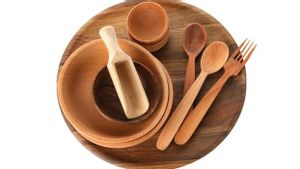
Talents, especially wood talent, can be a breeding ground for bacteria in corners and small gaps that arise after a single use. It is important to have at least two separate talents: one for fruit and vegetables and one for meat. This will reduce cross-contamination during food preparation.
Wash each talent after each time it is used with hot soapy water and rinse until it is clean with hot water. Then dry it completely with a clean kitchen tissue or towel. Don't let the talent dry because the bacteria like a warm and moist environment. You can also choose a tissue that can be put in the washing machine for a thorough cleaning.
SEE ALSO:
-
 | LIFESTYLE
Jenis Layout Dapur yang Dapat Diterapkan, Simak Referensinya di Sini
07 November 2024, 16:55 -
 | LIFESTYLE
7 Cara Mengorganisir Peralatan Dapur agar Lebih Rapi dan Fungsional
12 Januari 2025, 15:47 -
 | LIFESTYLE
5 Peralatan Dapur Termahal di Dunia, Harganya Ada yang Capai Rp1,1 Miliar
15 November 2024, 19:58
Even warm water that is usually used to make coffee can create a perfect environment for bacteria, yeast, and fungi to grow. Some small equipment must be cleaned after each use. At least once a week, unload and clean the small equipment thoroughly. Some components are safe to put into the dish washing machine and others must be washed with hot soapy water and then rinse with hot water and completely dried. The same cleaning routine must be applied to equipment such as can openers, meterifications, and cups.
Whenever using a re-closed container or reusable lunch box, shopping bag, or water bottle, there is a possibility of cross-contamination from bacteria, unless properly cleaned.
The container must be fully dismantled and put into anealer or washed with hot soap, rinsed with hot water, and completely dried. Most lunch boxes and shopping bags that can be reused can be put into a clothing washing machine to be thoroughly cleaned.
An additional tip for shopping bags is to separate them. Determine one or more for cleaning equipment, one for raw fruit and vegetables, one for raw meat, and one for packaged goods.
Often you put items other than food on the dining table, such as wallets, shopping bags, or other items. Clean the table with a clean cloth cloth and disinfectant spray, then clean it before preparing food or at least once a day. Do not use used sponges or used napkins because it may be a hotbed of bacteria and germs.
The last dirty place to consider is the salt and kitchen pepper. These objects are often used and often touched while preparing food. Clean them carefully with a clean cloth cloth after every preparation for eating and cleaning thoroughly every week.
The English, Chinese, Japanese, Arabic, and French versions are automatically generated by the AI. So there may still be inaccuracies in translating, please always see Indonesian as our main language. (system supported by DigitalSiber.id)


