
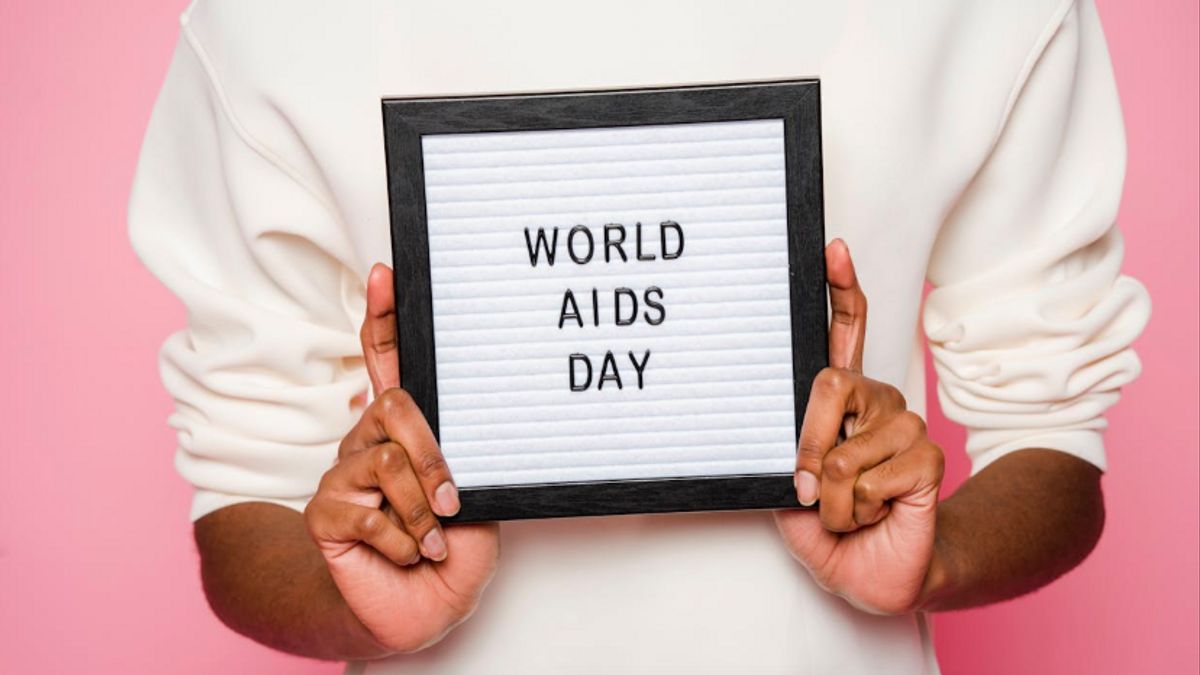


Quoted from the WHO page, this is done because despite the decline in funding, the global HIV response has gained extraordinary momentum in 2025. This is thanks to the use of lenacapavir, two injections a year for HIV prevention.
Lenacapavir (LEN) is a very effective alternative and works a long time for oral pills and other options. This is a transformative intervention for people who face challenges with regular compliance and stigma in accessing HIV/AIDS-related treatments.
"We face significant challenges with cuts in international funding and termination of deterrence," said WHO Director-General Tedros Adhanom Ghebreyesus.
At the same time, we had significant opportunities with exciting new tools with the potential to change the trajectory of the HIV epidemic, he added.
SEE ALSO:



Tedros said that the current mission is to further expand LEN's access to people at risk of HIV. In doing so, support from the government of each country and various partners is needed.
"Expanding access to these tools for people at risk of HIV everywhere should be the number one priority for all governments and partners," he said.
Meanwhile, WHO prequalified LEN for HIV prevention on October 6, 2025, followed by approval of national regulations that increase access to South Africa, Zimbabwe and Zambia.
WHO is also working with partners such as CIFF, Gates Foundation, Global Fund to Fight AIDS, Tuberculosis and Malaria, and Unitaid, to enable affordable LEN access to various countries.
The collaboration is also to ensure long-term HIV drugs for prevention and treatment reaching a high-risk population should be a global priority.
The English, Chinese, Japanese, Arabic, and French versions are automatically generated by the AI. So there may still be inaccuracies in translating, please always see Indonesian as our main language. (system supported by DigitalSiber.id)
Most Popular Tags
#Prabowo Subianto #donald trump #2026 World Cup #Febrie Adriansyah #8791Popular


