


JAKARTA - The increase in dengue hemorrhagic fever (DHF) cases in Indonesia is a serious concern in early 2025. To date, more than 38 thousand cases have been recorded with 182 deaths, signaling that this disease is still a real threat to public health.
Even though it has been known for a long time, the dengue virus continues to show significant spread, especially in tropical areas such as Indonesia. Toddlers and children are the most vulnerable groups to complications caused by this disease.
In response to this situation, the Ministry of Health launched a massive campaign to increase public awareness regarding the prevention of dengue fever. This campaign utilizes various platforms such as educational videos, interactive websites, to messages sent via WhatsApp. The goal is to disseminate information that is easily accessible and understood by all levels of society.
"This campaign is the beginning of the national movement to reduce the number of incidents and deaths due to dengue. Hopefully, by 2030, Indonesia can achieve the zero target of death due to dengue," said Deputy Health Minister Dante Saksono Harbuwono, in a statement in Jakarta.
Dante also explained that the dengue virus first emerged in the 18th century and began to spread widely in Southeast Asia in the 1950s, with the Philippines becoming the most affected country at that time. In Indonesia, the first cases were reported in 1968, starting from Jakarta and Surabaya, and since then it has spread to various regions.
SEE ALSO:
-
 | KESEHATAN
Waspada Demam Berdarah Pasca-Banjir, Kemenkes Bagikan Kiat Mencegahnya
12 Maret 2025, 18:25

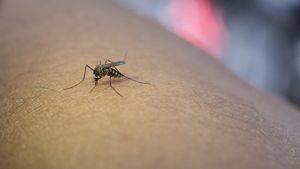

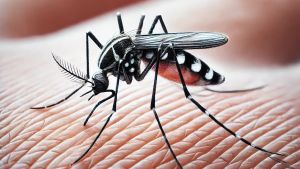
More than five decades have passed, dengue is still a big challenge in the field of public health. This disease not only has an impact on the physical condition of the sufferer, but also has economic and psychological burdens on the family and the health system as a whole.
According to Dante, overcoming dengue is not just a task for the health sector. "Dengue handling cannot only depend on medical treatment. Prevention remains the most effective strategy," he said.
The government continues to campaign for the implementation of 3M Plus: draining water reservoirs, closing water containers, and recycling used goods that can be a breeding ground for mosquitoes. Additional than 3M are other preventive measures, such as the use of sewers, anti-muak drugs, and maintaining environmental cleanliness.
As part of a long-term strategy, the government is also starting to explore the use of dengue vaccines. Although currently the vaccine is still in the testing phase in several locations, preliminary results show great potential to reduce the severity of symptoms and the risk of complications in sufferers.
"We hope that this vaccine can be used more widely in the future to help reduce morbidity and mortality from dengue fever," added Dante.
Through synergies between education, environmental prevention, and medical innovation, Indonesia is working hard to control disease that has long been a scourge in this tropical region.
Collective steps from all elements of society are the key to realizing an ambitious target: Indonesia will be free of death due to dengue fever by 2030.
The English, Chinese, Japanese, Arabic, and French versions are automatically generated by the AI. So there may still be inaccuracies in translating, please always see Indonesian as our main language. (system supported by DigitalSiber.id)
Most Popular Tags
#Prabowo Subianto #donald trump #2026 World Cup #venezuela #konflik timur tengahPopular


