


JAKARTA - The world is currently facing a new health threat known as tripledemic, a phenomenon when three major respiratory diseases, namely Respiratory Syncitial Virus (RSV), Covid-19, and influenza are circulating simultaneously in the population.
This condition increases the risk of mass transmission, especially in vulnerable groups such as children, the elderly, and individuals with chronic diseases.
Tripledemic itself is a big challenge for the Indonesian health system amid the increasing population of the elderly and the high number of chronic diseases.
The increase in respiratory infections not only has an impact on public health, but also provides a significant economic burden.
According to data from the World Health Organization (WHO), tripledemic has caused more than 8.7 million cases of infection globally. One of the viruses to watch out for is the RSV, which has been known to attack infants and toddlers more often, but has now proven to endanger adults, especially the elderly and sufferers of comorbidities such as heart disease, diabetes, and chronic obstructive lung disease (PPOK).
In Indonesia, this condition is a serious concern given the high population of the elderly. With a population of 279 million people and population growth of around 2.7 million people per year, Indonesia faces major challenges in the health system. It is estimated that by 2030, around 14.6 percent of the total population will be elderly, and this number will increase to almost 20 percent by 2045.
What needs to be watched out for is the risk of chronic illness among the elderly which makes them more susceptible to respiratory tract infections,
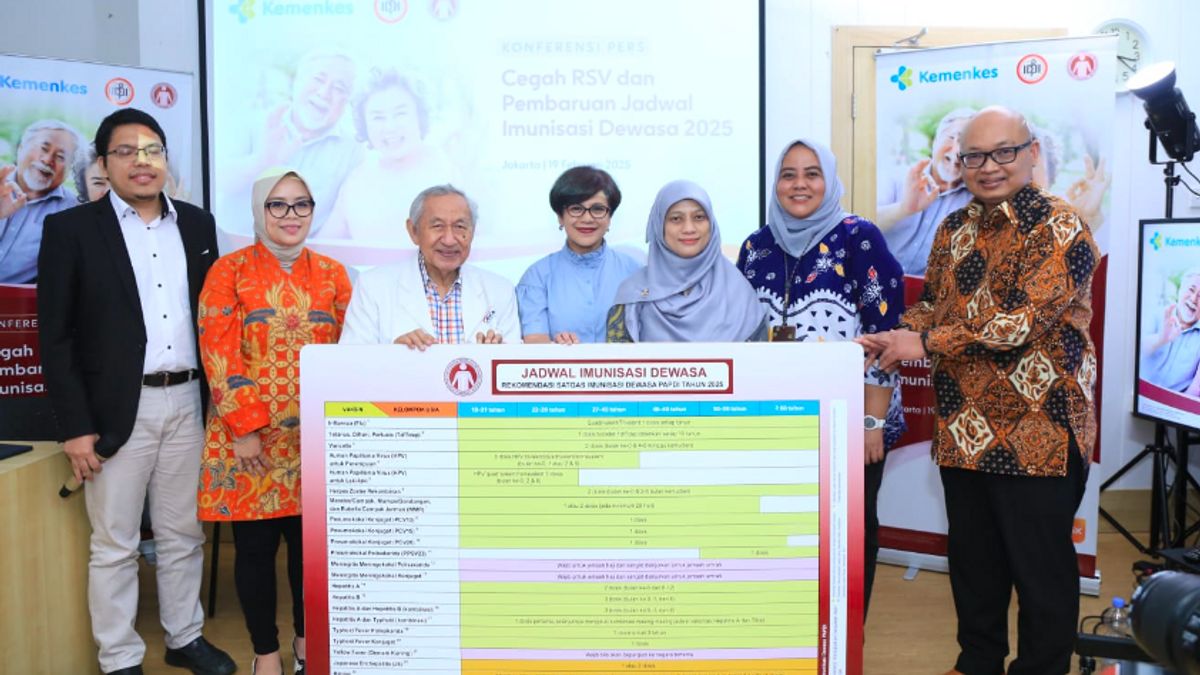
This was said by dr. Ina Agustina Isturini, MKM, Director of Infectious Diseases of the Ministry of Health, in a media meeting entitled Prevent RSV and Update the 2025 Adult Immunization Schedule in Jakarta, recently.
He added that a combination of chronic diseases and respiratory infections can increase the severity of the disease and increase the burden on national health.
Tripledemic not only threatens public health, but also has a significant economic impact. Treatment costs for patients with severe respiratory infections can reach between Rp70 million to Rp200 million per patient, especially for those who require intensive care in the ICU room. This condition can increase the burden on the national health system and have a direct impact on the economy.
Based on BPJS Kesehatan data in 2023, the largest expenditure for respiratory diseases includes:
The increase in treatment costs for respiratory diseases shows that the economic burden of the health sector continues to grow, said Dr. Alfinella Izhar Iswandi, MPH, from the Project Management Office (PMO) of the Directorate General of P2P of the Ministry of Health. He also noted that the financing trend for this disease tends to increase every year.
SEE ALSO:
-
 | BERITA
China: Kasus Infeksi Pernapasan Meningkat Saat Musim Dingin, Tapi Terkendali
04 Januari 2025, 00:04 -
 | BERNAS
Belajar dari COVID-19, Penting untuk Tetap Tenang dan Waspada Hadapi HMPV
11 Januari 2025, 11:55



Facing the potential spike in cases due to respiratory diseases, the Ministry of Health emphasizes the importance of preventive strategies and public education, especially for high-risk groups.
According to dr. Ina, the public is more aware of the dangers of respiratory diseases since the Covid-19 pandemic, but this awareness needs to be strengthened.
Through the One Sehat platform, the public can access the latest information regarding infectious diseases and preventive measures that can be taken. Education on the importance of vaccination, maintaining hand hygiene, wearing masks in public places, and routine health checks are the main keys in reducing the risk of transmission.
"Prevention is much more effective and economical compared to the handling of disease that is already severe. Especially for the elderly and sufferers of chronic diseases, protection efforts must be further strengthened," added dr. Ina.
The public is also advised to be more vigilant and take simple preventive measures such as maintaining personal hygiene, recognizing the initial symptoms of respiratory infection, and conducting routine health checks, especially for vulnerable groups, to vaccinations.
For example, in the RSV case, there is currently no special treatment to treat RSV infections in adults. This condition adds to the challenges in handling RSV cases, especially in vulnerable groups such as the elderly and people with chronic diseases.
Therefore, preventive measures are very important, one of which is through vaccination. Dr. dr. Sally Aman Nasution, SpPD, K-KV, General Chairperson of PB PAPDI, emphasized the importance of a strong adult immunization policy in Indonesia.
He revealed that many adults in the Asia Pacific region still miss the opportunity to get vaccinated, even though they already understand the benefits. This increases the risk of serious illness such as Acute Respiratory Channel Infection (ARI) and pneumonia due to RSV.
"As an internal medicine doctor, I often see how lack of education and awareness about adult vaccination can increase the risk of complications, especially in the elderly with comorbidities such as heart disease, diabetes, asthma, and Kronis Obstructive Lung Disease (PPOK)," said dr. Sally.
The data shows that around 30 elderly people treated due to hospitalizations can experience heart complications. In addition, patients with heart failure have a risk of hospitalization eight times higher than those without these conditions.
For that, dr. Sally invites health workers to be more active in discussing the importance of adult vaccination during routine consultations. This conversation can help ensure patients receive optimal protection, especially high-risk groups.
"By increasing the coverage of adult vaccinations in Indonesia, we can prevent serious complications and reduce hospitalization and death rates due to RSV. Let's together create a stronger immunization system for a healthier community," concluded dr. Sally.
The English, Chinese, Japanese, Arabic, and French versions are automatically generated by the AI. So there may still be inaccuracies in translating, please always see Indonesian as our main language. (system supported by DigitalSiber.id)
Most Popular Tags
#Prabowo Subianto #donald trump #Febrie Adriansyah #8791 #giias 2026Popular


