
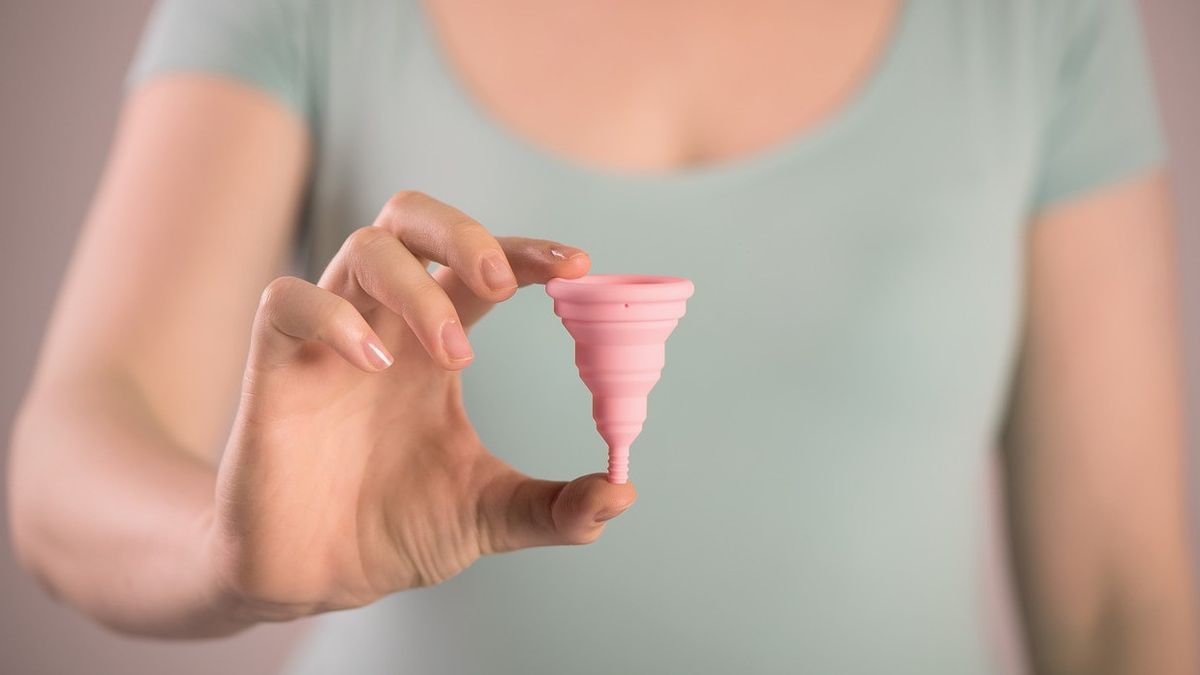


YOGYAKARTA In reproductive health, the process of decaying epithelial cells that make up the uterine wall is referred to as menstruation or menstruation.
Menstruction occurs when the uterine wall layer is melting and out of the body. This process is one of the commonplace things that happens to women, especially for those who have entered retirement.
To better understand it, see the process of menstruation in the article below.
In women, the reproductive system will start to activate when entering the pubestas phase, which is marked by breast growth and the appearance of fine hair in the armpit and pubic area.
Setelah tanda-anda kejarahaan muncul, wanita akan mengalami perioda untuk pertama kalinya. Kondisi ini biasanya terjadi antara usia 10-16 tahun dan akan berhenti saat memasuki usia 40-50 tahun.
During menstruation, the woman's body will bleeding consisting of red blood cells and epithelial cells that make up the uterine wall. The menstrual blood flows through the cervix and comes out of the body through the vagina, quoted from the Cleveland Clinic page.
Menstruation is controlled by hormones, namely the chemical of the carrier of the message in the body. Phinitary glands in the brain and ovaries (egg eggs), which are part of the reproductive system, produce and release certain hormones such as FSH, LH, estrogen and progesterone; during menstrual cycles.
Furthermore, these hormones cause thickening of the uterine layer, so that if fertilization occurs, the seeded egg can stick to the uterine wall. The hormone also triggers the ovarian to release the egg (ovulation). The egg then moves to the tuba falopi and waits for the sperm to fertilize it.
If no sperm produces eggs, then pregnancy does not occur. As a result, the uterine layer consisting of Pickel andstroma cells will decay and come out with blood through a process called menstruation.
Still from the same source, the ups and downs of hormone levels can trigger stages of menstrual cycles. Hormones such as LSH, LH, estrogen, and progresions make reproductive organs react in a certain way.
The following are the phases that occur during the menstrual cycle or the process of decaying epithelial cells that make up the uterine wall:
This phase begins on the first day of menstruation. At this stage, the uterine lining (endometrium) decays and exits through the vagina if pregnancy does not occur. Generally, bleeding lasts for three to five days. However, the duration between three and seven days is still relatively normal and there is no need to worry.
This phase begins on the first day of menstruation and ends during ovulation. During this period, estrogen hormone levels increase, causing the uterine layer to grow and thicken.
In addition, the hormone follicle-stimulating hormone (FSH) stimulates the growth of follicles in the ovaries. On the 10th to 14th day, one of the follicles will develop into a mature egg (ovum).
The ovulation phase usually occurs around the 14th day in the 28-day menstrual cycle. The sudden increase in the hormone luteinizing hormone (LH) triggers the ovaries to release mature egg cells. This release event is called ovulation.
This phase lasts from around the 15th day until the 28th day. After being released, the egg moves through the tuba philosophy towards the uterus. Progesteron hormone levels increase to prepare the uterine layer for possible pregnancy.
BACA JUGA:
-
 | LIFESTYLE
Budaya Kerja Sehat yang Bikin Karyawan Betah dan Semakin Produktif
28 Agustus 2025, 19:35


If the eggs are successfully fertilized by sperm and stick to the uterine wall (implantation), then pregnancy occurs. However, if pregnancy does not occur, estrogen levels and progesterons decrease, and thickened uterine layers will recyclage as menstrual blood in the next cycle.
This is information about the process of decaying epithelial cells that make up the uterine wall. Get news updates of other options only on VOI.ID.
The English, Chinese, Japanese, Arabic, and French versions are automatically generated by the AI. So there may still be inaccuracies in translating, please always see Indonesian as our main language. (system supported by DigitalSiber.id)
Most Popular Tags
#Prabowo Subianto #donald trump #Febrie Adriansyah #8791 #giias 2026Popular


