
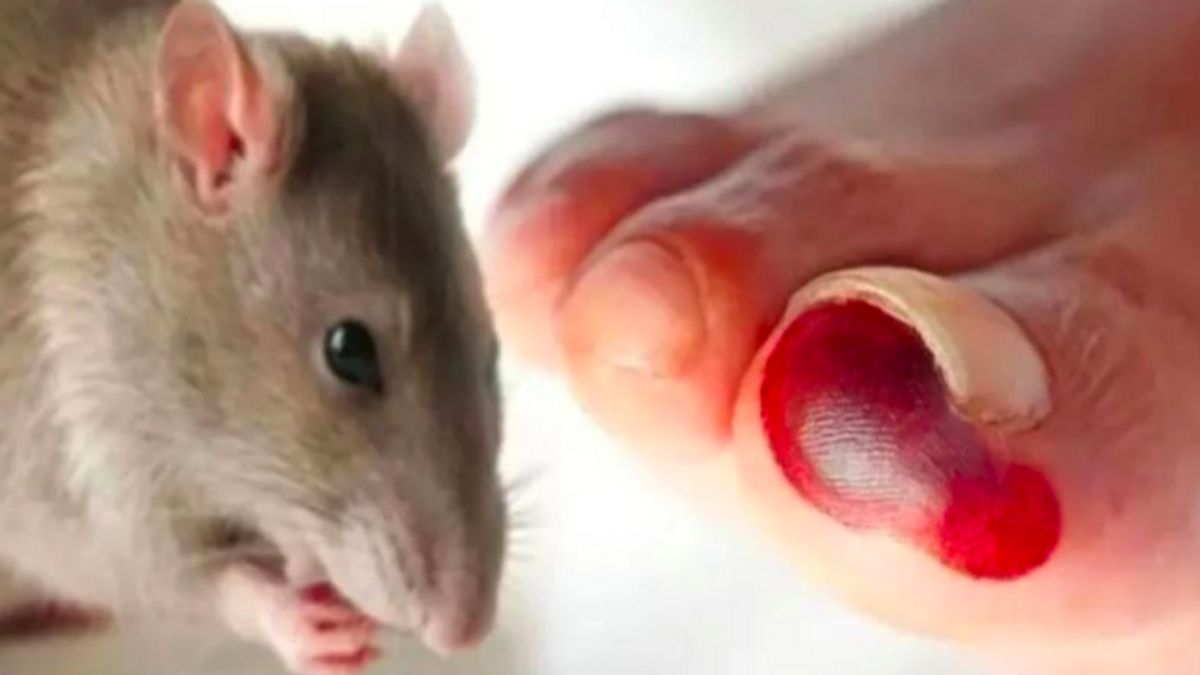


JAKARTA - Hantavirus is a type of zoonotic virus that can be transmitted from animals to humans, especially through exposure to the feces, urine, or saliva of infected rats.
Transmission usually occurs when small particles (aerosols) from these materials are inhaled by humans, especially in environments that are less clean or have poor ventilation.
Although the case is relatively rare, hantavirus infection can cause serious illness in humans, especially those that attack the respiratory system.
Epidemiologist from Dicky Budiman explained that one of the main mechanisms of transmission of this virus is through aerosol inhalation derived from dried rat urine or saliva of infected rats, especially by the Andes virus which has the potential to cause pulmonary syndrome.
"Hanta virus pulmonary syndrome is a zoonosis disease from the hantavirus family. The main transmission method is aerosol inhalation, so it is inhaled from dried urine dust, rat feces or saliva of sick rats," said Dicky in an online conversation with ANTARA, Wednesday, May 6.
He also explained that a person can be exposed to the hanta virus when coming into contact with surfaces contaminated with feces or urine of rats. However, transmission does not always occur directly, but depends on the type of specific virus strain, such as the Andes virus which in limited conditions can be transmitted between humans through close contact.
In individuals who have been infected, early symptoms usually include fever, body aches, and muscle weakness. If the condition progresses to a more serious stage, damage to the pulmonary vessels can occur which causes fluid leakage. This leads to pulmonary edema and acute respiratory failure.
"Usually the death rate can be up to 40 percent with the main mechanism being the vascular leakage syndrome, so that the lungs are filled with fluid and this causes severe hypoxia," said Dicky.
The worsening of the condition can occur quickly, even in a matter of days. Therefore, early detection and proper treatment are very important to increase the chance of recovery and prevent severe complications.
Until now, there is no specific antiviral drug to treat hanta virus infection. The treatment carried out is generally supportive, such as administering oxygen using a ventilator and strictly regulating body fluids.
However, the potential for this virus to cause a global pandemic is considered very small because of its pattern of transmission that is not through human-to-human interaction on a large scale.
As a preventive measure, the public is urged to maintain environmental cleanliness, especially in high-risk areas such as sea vessels or closed rooms with minimal ventilation.
The English, Chinese, Japanese, Arabic, and French versions are automatically generated by the AI. So there may still be inaccuracies in translating, please always see Indonesian as our main language. (system supported by DigitalSiber.id)
Most Popular Tags
#Prabowo Subianto #donald trump #firearm #8791 #giias 2026Popular


