
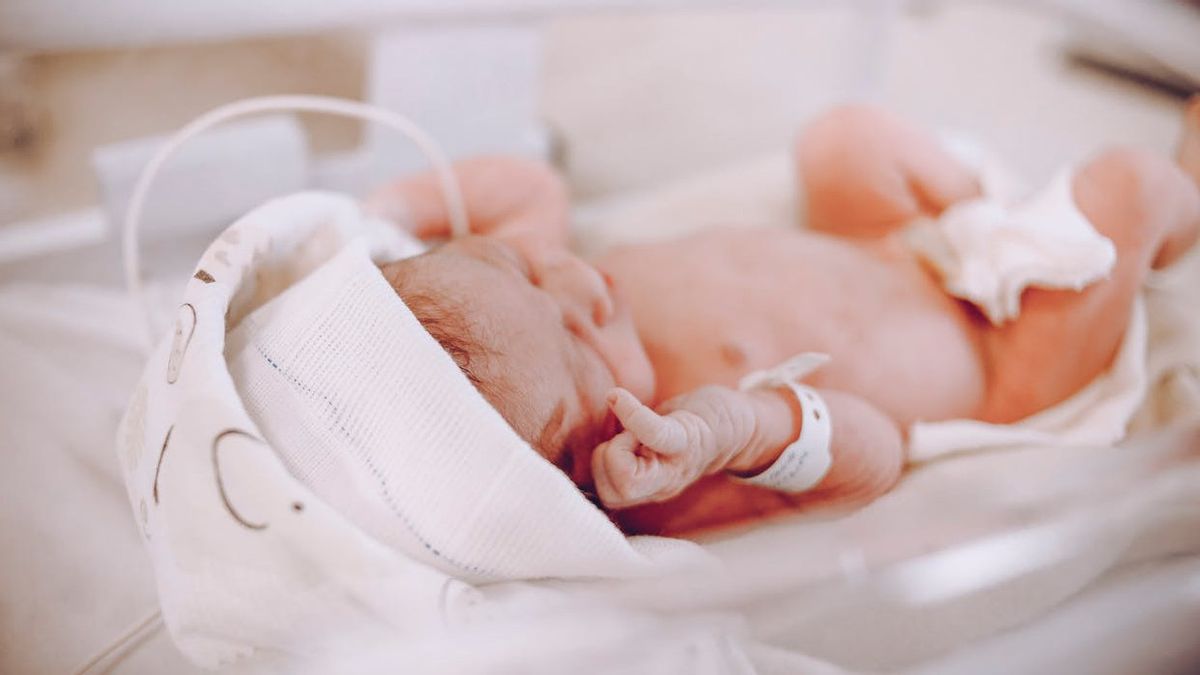


JAKARTA - Congenital heart disease (PJB) is a structural heart disorder that has occurred since the baby is still in the womb. This disease is a health challenge that is still difficult to overcome until now.
There are around 45 thousand babies born with congenital heart disease every year in Indonesia. The Chairperson of the Pediatric Cardiology and Congenital Heart Disease Working Group, dr. Oktavia Lilyasari, Sp.JP(K) said that there are several risk factors that increase the chances of PJB.
"If the risk factor is actually a lot, but what is more is that the cause is unknown," said Dr. Oktavia, when met in the Kemanggisan area, Jakarta, Tuesday, February 10, 2026.
One of the most important risk factors for PJB is the mother's health during pregnancy. Some diseases experienced by mothers can increase the risk of fetuses suffering from PJB.
"If the mother has a disease such as diabetes, autoimmune, or the mother has an infection during pregnancy," he said.
The most common infections associated with congenital heart disease are toxoplasmosis, cytomegalovirus, and rubella.
Then another factor that can increase the occurrence of congenital heart disease is a family history in general. If the mother has congenital heart disease, then the fetus has a higher risk of having the same disease.
"If there is a congenital heart disease in the family, then the risk of having congenital heart disease can be around 1-3 percent will be in his child," he explained.
Consumption of certain drugs during pregnancy can also be a risk factor. Some drugs are teratogenic, that is, they can interfere with the formation of fetal organs, including the heart.
"There are several drugs, teratogenic we call it. So, dai can cause disorders during the formation of the heart organ," he continued.
In addition, chromosomal abnormalities can also cause congenital heart disease in infants. Chromosomal abnormalities can affect the formation process of various organs of the body, including the heart, which increases the risk of congenital heart disease.
The English, Chinese, Japanese, Arabic, and French versions are automatically generated by the AI. So there may still be inaccuracies in translating, please always see Indonesian as our main language. (system supported by DigitalSiber.id)
Most Popular Tags
#Prabowo Subianto #donald trump #Febrie Adriansyah #8791 #giias 2026Popular


