
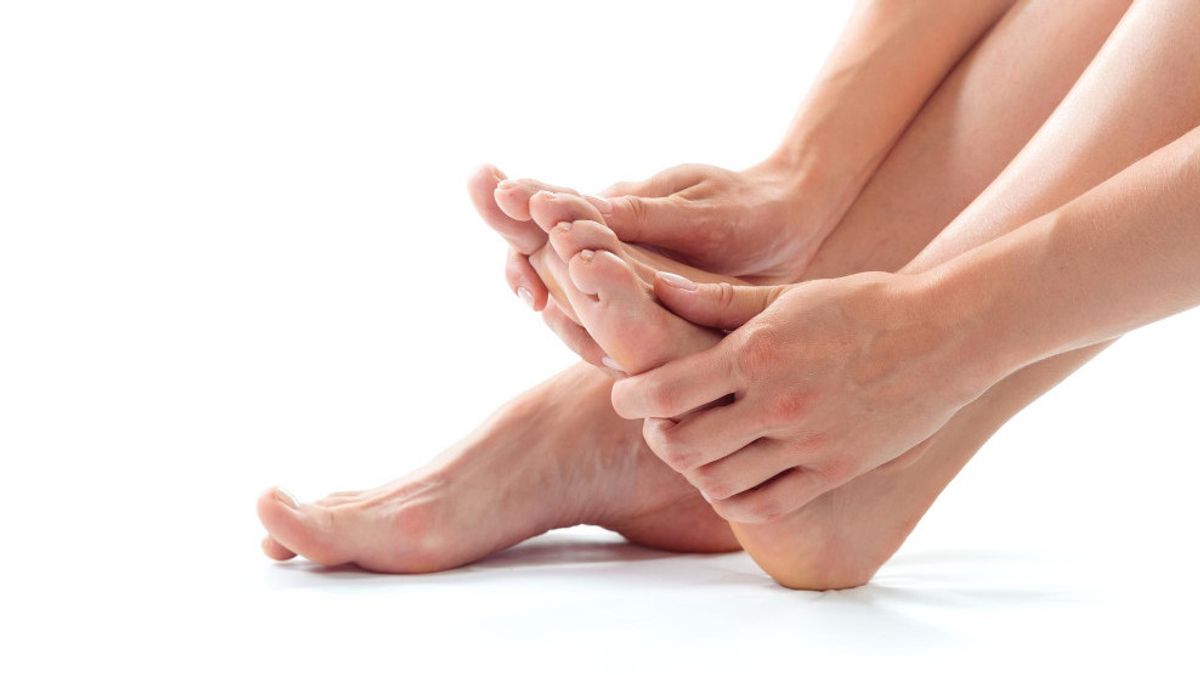


YOGYAKARTA - Feet are often part of the body that is not noticed, even though the condition of the legs reflects the overall health of the body. Small changes turn out to be a signal of certain health problems. Knowing these signs help you to be more sensitive to your body's condition and take steps just before the problem gets serious. Here, be aware of the condition of your feet that can provide important clues about your health.
If your feet always feel cold even though the weather is warm, this can indicate problems with blood circulation. Peripheral arterial disease (PAD) makes blood vessels in the feet narrow so that blood flow is not optimal. This condition makes oxygen and nutrients difficult to reach the fingers of the feet, so they feel cold.
Raynaud disease can also cause blood vessels to shrink excessively in response to cold or stress temperatures. In addition, hypothyroidism can slow down the body's metabolism and make the legs feel colder more easily.
Burns, tingling, or like a needle in the leg often indicate the presence of peripheral neuropathy. This condition is most often experienced by diabetics because high blood sugar levels can damage nerves gradually. In addition, lack of vitamin B12, excessive alcohol consumption, or autoimmune disease can also trigger similar symptoms.
Neuropathy makes the legs more prone to numbness, so that injuries can not be felt and become dangerous. If these symptoms appear repeatedly, it should be checked immediately so that treatment can be done early on.
Pain, redness, and swelling on the thumb of the leg are often a sign of problems at the joints. Quoting Banner Health, Friday, October 3, one of the common causes is gout or gout, which arises from the buildup of gout crystals at the joints.
This condition can cause sudden pain attacks, usually at night, and makes the legs difficult to move. In addition to gout, other joint inflammation such as osteoartritis or rheumatoid arthritis can also be a cause. Infections or nails that grow inward can also cause similar symptoms, so medical examination remains important.
Footnails that turn thick, brittle, or yellowish are often caused by fungal infections. This condition is common because the legs are easily moist, especially if you often wear closed shoes. Psoriasis can also affect nails by giving rise to small curves or patches. However, if dark lines or black spots appear that are not lost, it can lead to subungual melanoma, a type of skin cancer that is dangerous. Even anemia or lack of certain nutrients can make the nails look pale or spoon-shaped.
Wounds on the leg that are difficult to heal are serious signs that should not be ignored, especially for diabetics. Diabetes can disrupt blood circulation and slow the tissue healing process. This condition can develop into a diabetic leg Ultcus, which is very susceptible to infection.
Wounds that do not heal can also indicate wider circulation problems, such as peripheral arterial disease. If the wound does not improve after 10 days, it is better to immediately get a medical examination to prevent complications.
Bruises under the nails are usually caused by injuries, for example because they are hit or pinched. However, if dark lines appear without any history of trauma and do not disappear over time, this could be a more serious sign. One of the conditions to watch out for is subungual melanoma, namely skin cancer that grows under the nails. Black lines or nodes that do not move following nail growth should not be taken lightly. Medical examinations can confirm whether it is just bruises or symptoms of cancer.
Foot pain without any injuries can clearly indicate some medical conditions. One of the most common is plantar fasciitis, which is inflammation of the tissue in the soles of the feet. Arthritis can also cause pain or stiffness in the joints of the legs, especially after resting.
In addition, fractures of stress or small fractures in the bone can arise due to excessive activity or repeated burdens. Foot structures such as flat feet or high curvature can also cause muscle tensions that lead to chronic pain.
SEE ALSO:
-
 | INFO SEHAT
Jarang Dilakukan, Ini Manfaat Merendam Kaki dengan Air Es untuk Kesehatan Tubuh dan Psikis
03 September 2025, 01:25 -
 | LIFESTYLE
Pakar Beberkan Alasan Penumpang Disarankan Tak Menyilangkan Kaki di Pesawat
18 September 2025, 04:25 -
 | INFO SEHAT
Varises Lebih Sering Menyerang Wanita, Kenali Penyebab dan Cara Mencegahnya
22 September 2025, 20:25 -
 | INFO SEHAT
Bukan Sekadar Lelah, Ciri-Ciri Kaki Bengkak Jadi Gejala Penyakit Ginjal
28 Agustus 2025, 23:55

Foot swelling can arise for many causes, ranging from mild to serious conditions. Fluid retention due to heart, kidney, or liver problems can trigger the leg to swelling. Vesal conditions such as varises can also cause blood to accumulate at the bottom of the leg. Injuries or joint inflammation in the leg and ankle areas can also cause swelling accompanied by pain. If swelling often appears without a clear cause, you should immediately consult with medical personnel to determine the cause.
Feet are not only the support of the body, but also one of the important indicators of your health. Every change in the legs, ranging from excessive cold, tingling, to color-changing nails, can be a signal from the body. Ignoring these signs can make the problem worse and difficult to deal with. By paying attention to the condition of your feet, you can recognize health problems more quickly and take precautions.
The English, Chinese, Japanese, Arabic, and French versions are automatically generated by the AI. So there may still be inaccuracies in translating, please always see Indonesian as our main language. (system supported by DigitalSiber.id)


