



JAKARTA - For people with diabetes mellitus (DM), special attention to the condition of the legs is very important. Signs such as tingling, numbness, or wound that is difficult to heal on the legs can be an early warning of serious complications due to diabetes.
A surgeon stressed that wounds that do not recover at the feet of diabetic patients can be an indication of diabetic foot, a condition that has the potential to cause severe infections, alleys, and amputations if not treated immediately.
Dr. Sendi Kurnia Tantinus, Sp.B, Subsp.BVE(K), a vascular surgeon from Bethsaida Hospital, explained that the diabetic foot arises from a combination of several key factors, including diabetic neuropathy (neural damage), blood circulation disorders, infection, and excessive stress in the leg area.
According to him, without proper handling, this condition can develop into a gangren and increase the risk of amputation.
"If not handled, this condition can develop into gangrene and risk amputation," he said as quoted by ANTARA.
SEE ALSO:
-
 | INFO SEHAT
Mengenal Diabetes Tipe 1 pada Anak: Gejala, Penyebab, dan Cara Menanganinya
26 April 2025, 08:52
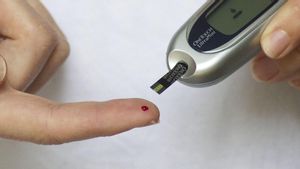


Early symptoms of diabetic foot generally include tingling sensations, numbness, unusual pain, swelling, and skin color changes to darker in infected areas.
Unfortunately, symptoms such as tingling and numbness are often ignored by diabetics, even though this can be a sign of the beginning of nerve damage that triggers diabetic foot.
The severity of the diabetic foot is divided into five degrees. Degree 0 shows a normal foot condition without risk. At degrees 1 and 2, the wounds that appear are usually shallow or superfitial. If these wounds are not treated immediately, they can develop to degree 3 characterized by severe infections including soft tissue abscess and osteomialitis ( bone infection).
In the advanced stage, namely degrees 4 and 5, tissue damage is very severe and cannot be restored so patients need partial amputation or all legs.
Prevention of diabetic foot must be done thoroughly. Important steps include regular foot checks, appropriate and comfortable shoe use, maintaining foot hygiene, and strict control of blood sugar levels. When a wound appears, multidisciplinary care is highly recommended.
One of the commonly used handling methods is wound denridement, which is the process of cleaning dead or infected tissues to prevent the spread of further infections. In addition, hyperbaric oxygen therapy can help speed up healing by increasing levels of oxygen in the blood.
"Given the high risk of complications, early detection of diabetic foot is very crucial for diabetics. Foot examinations are periodic and consultation with medical personnel if you find suspicious symptoms can prevent this condition from becoming more severe," he said.
The English, Chinese, Japanese, Arabic, and French versions are automatically generated by the AI. So there may still be inaccuracies in translating, please always see Indonesian as our main language. (system supported by DigitalSiber.id)
Most Popular Tags
#Prabowo Subianto #donald trump #firearm #8791 #giias 2026Popular


