
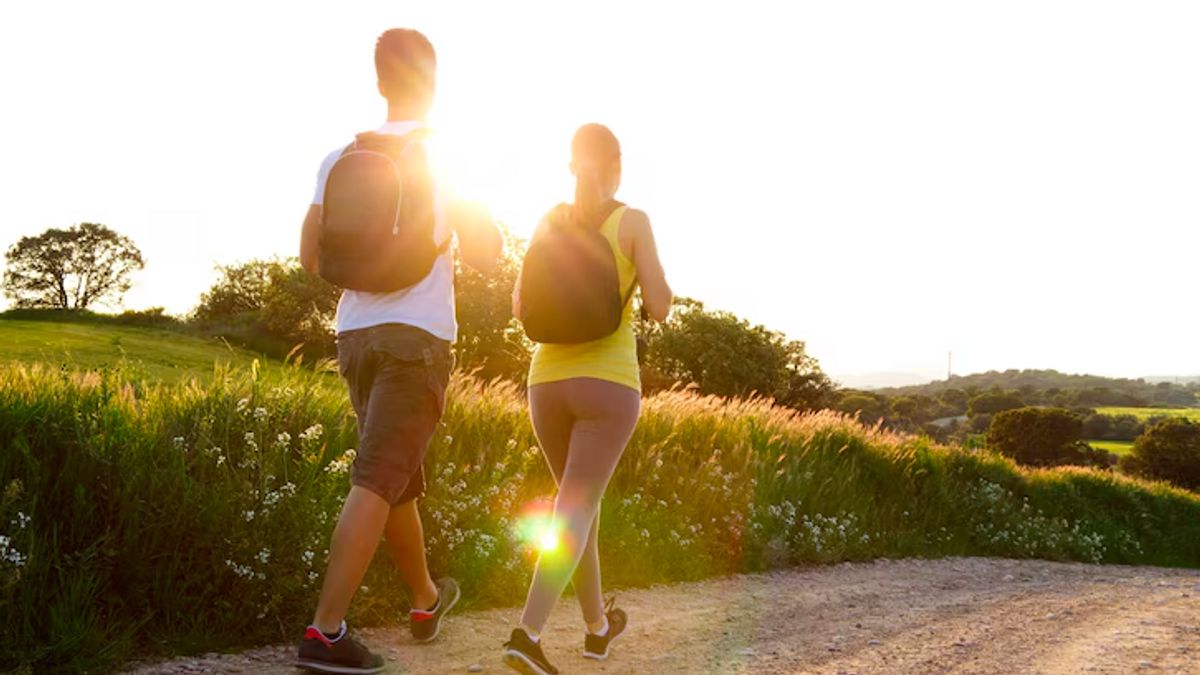


JAKARTA - In the midst of modern busyness, getting used to walking can be a small step that brings big changes to health. Without the need for special equipment or gym membership, this simple activity can easily be put into daily routines.
Whether it's walking to the shop, traveling around the complex, or just taking a break from the computer screen, walking provides benefits that are often underestimated, but have an extraordinary impact in the long term.
Walking offers gentle movement for the body, is friendly for joints, and is good for mental health.
While running has its own benefits, especially for those who pursue speed or resilience, walking is key to long-term consistency, avoiding injury, and shaping a healthy habit that lasts a lifetime.
1. Friendly for Gambling
For those of you who experience knee problems, joint inflammation, overweight, or just starting a fitness journey, walking is a safer solution. Running can burden your joints almost three times your weight at every step, while walking benefits movement without excessive pressure. This makes it an ideal choice for older adults, individuals who have a history of joint injuries, or anyone who is recovering.
If you've ever felt discomfort after jogging, you'll definitely understand the importance of a softer alternative. By walking regularly, muscles and bones will be strengthened slowly and naturally, without the risk of excessive injury.
2. Easy to insert in the Routine
Not everyone has the time or energy to run every day, especially after work, take care of their families, or undergo other busy activities. Walking, on the other hand, can easily be inserted into daily activities, whether it's a short walk in the morning, going around the complex after dinner, or taking a short break during break at work hours.
Because it doesn't feel like "heavy exercise," walking has much lower mental resistance. This activity is more like time to breathe, move, and enjoy moments. This consistency makes it effective: you may stop running after a few weeks, but walking can be a healthy habit that lasts years.
SEE ALSO:
-
 | INFO SEHAT
10 Tips Ilmiah Menyimpan Bahan Makanan agar Tetap Segar Lebih Lama
17 Februari 2025, 16:46 -
 | INFO SEHAT
Diduga Penyebab Kematian Kim Sae Ron, Kenali Gejala Henti Jantung
17 Februari 2025, 15:25 -
 | INFO SEHAT
Dokter Tirta Beri Penjelasan soal Air Mineral Ada Manisnya, Bisa Bikin Diabetes?
17 Februari 2025, 13:25


3. Calming the mind and emotions
Intensive exercise such as running often makes the heart rate soar and the body enters hard work mode. This may be suitable for some people, but for those who deal with stress, anxiety, or mental fatigue, walking actually has a calming effect.
Relaxing in the open world listening to birds' sounds, leafy symptoms, or just feeling the gusts of the wind can act like walking meditation. In fact, many therapists recommend a therapy session while walking because this activity helps the nervous system relax and makes the conversation more natural.
4. Helping metabolism and weight
Walking is also effective in supporting healthy metabolism. Unlike running that burns many calories while at the same time triggering excessive hunger, walking to keep metabolism active without disrupting body hunger signals.
For those who have a slow metabolism, insulin problems, or hormonal disorders such as PCOS, regular walking especially after eating is highly recommended. This helps regulate blood sugar levels, increases insulin sensitivity, and supports slowly but stable fat burning.
5. Provide long-term benefits
Research shows that regular walking can improve heart health, lower bad cholesterol levels, increase lung function, reduce belly fat, and even maintain brain health with age.
Unlike heavy exercise that can feel energy draining, walking is a long-term health investment. You may not see the results in one night, but the cumulative benefits such as calm of mind, body strength, and emotional balance will feel real in life.
The English, Chinese, Japanese, Arabic, and French versions are automatically generated by the AI. So there may still be inaccuracies in translating, please always see Indonesian as our main language. (system supported by DigitalSiber.id)


