
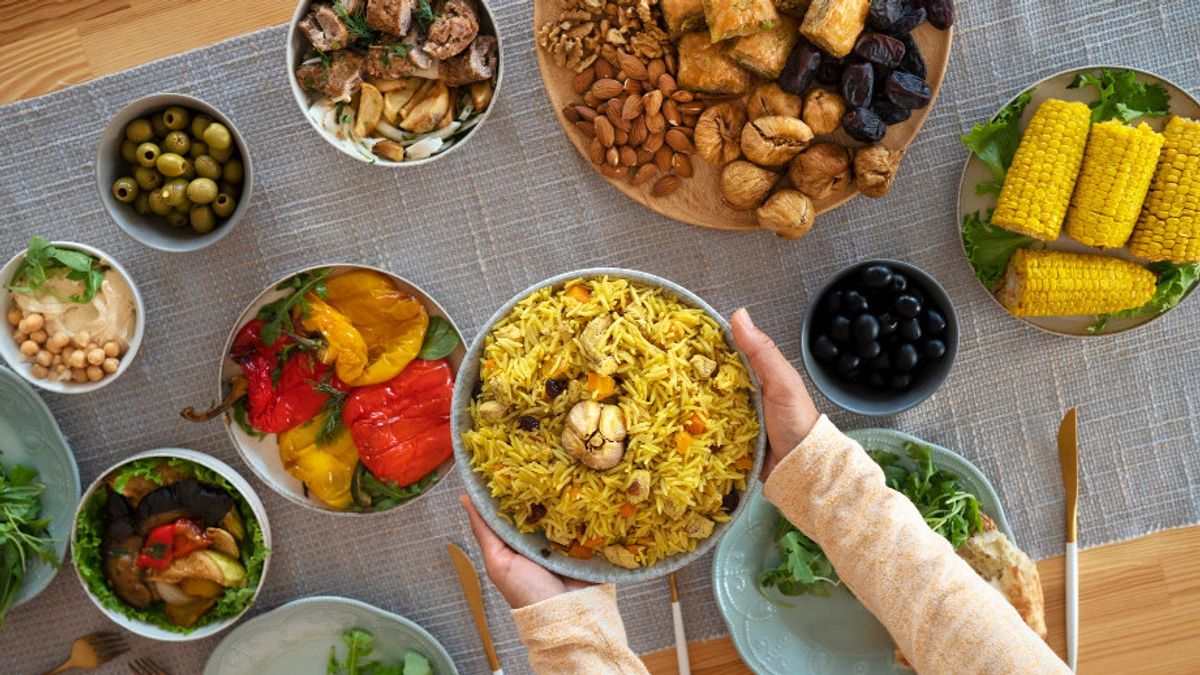


YOGYAKARTA During fasting, eating patterns need to be arranged so that nutrition is adequate and health is maintained. Not a few people eat unbalanced. When breaking the fast, the stomach will be full of various types of takjil, not to mention sweet drinks, and heavy foods. Meanwhile, when suhoor, eat more salt height so that it will feel thirst and the mouth is very dry during the day. Well, in order to stay under monitoring and not eat emotionally, here is a healthy diet during the fast that needs to be done.
When the time of breaking the fast arrives, avoid eating in a hurry. In addition to being able to cause constipation, eating excitedly also does not let the body recognize whether you have eaten enough or not. The effect, you can eat too much with the composition of the type of food that is not balanced. So, eat it slowly. Enjoy every food and drink, starting from opening with water, dates, kolak, to food filling your stomach little by little. Adjust your capacity and activity after breaking. Don't eat full immediately, let your stomach adapt first. Too full and drink sweetly, make your body limp and sleepy.
Drinking sweets is not prohibited, it's just that counting the portion is not excessive. Drinking sweets helps restore energy after a day of not eating and drinking. However, the best drink is drinking water. Avoid caffeinated drinks with sugar plus other sweet drinks. More importantly, make sure your body is well hydrated by drinking enough water.
Consumption of vegetables and their good fruit is more portion than carbohydrate food. Although the body needs complex carbohydrates, for intake of fiber and calories. Vegetables such as broccoli, spinach, and carrots contain many essential fibers and nutrients that help maintain the health of your body, quoted from the Makassar Poltekkes page. Fruits such as apples, bananas, and oranges are also good for health.
At the time between breaking the fast and breaking the fast, you can enjoy healthy snacks. For example from nuts, seeds, fruit, and low-fat yogurt. Avoid high sugar snacks and limit eating fried foods because they cause weight gain and decrease energy.
SEE ALSO:
-
 | INFO SEHAT
Memasuki Pertengahan Ramadan, Ini Cara Ampuh Jaga Stamina agar Tidak Tumbang
18 Maret 2025, 19:55




Don't miss suhoor because this is the time to fill your body with nutritious food before fasting all day. Choose a low-fat tissue and contain complex carbohydrates. For example, red rice, sweet potatoes, potatoes. You can increase the portion of protein and vegetables. Protein can be from eggs, fish, or fatless meat to help you full longer.
This recommendation is useful for preventing digestive problems such as constipation or constipation. Eating directly makes digestion work heavier. It also makes the stomach feel bloating afterward and the body is weak and sleepy heavy. So, choose a little but frequent diet method. For example, divide the meal time into three times. When breaking the fast, after tarawih, and during sahur but with a small portion and the meal menu varies so that macronutrition and micronutrition are sufficient.
In addition to following tips on a healthy diet during the fasting above, you also need to consult a doctor if you have to take daily medication. Ask the doctor the most appropriate time to take medication without having to break the fast during the day.
The English, Chinese, Japanese, Arabic, and French versions are automatically generated by the AI. So there may still be inaccuracies in translating, please always see Indonesian as our main language. (system supported by DigitalSiber.id)
Most Popular Tags
#Prabowo Subianto #donald trump #Febrie Adriansyah #8791 #giias 2026Popular


