
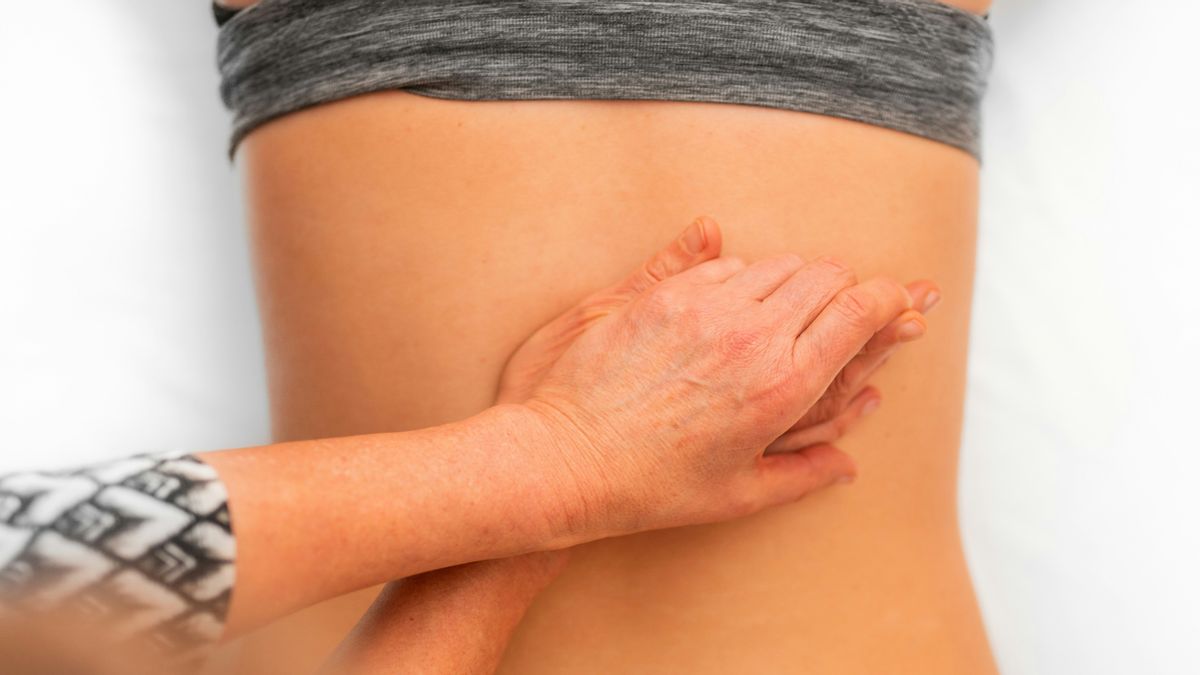


Skoliosis in the elderly is usually known as degenerate scoliosis. Scoliosis in the elderly is a common condition due to aging, spinal degeneracy, or osteoporosis. Although it can cause pain and mobility disorders, various treatment methods such as physical therapy, medicines, use of braces, or operations can help manage this condition.
Dr. dr. Phedy, Sp.OT (K) Sppine, Spinal Consultant Eka Hospital BSD said prevention through a healthy lifestyle is also important to maintain spinal health and reduce the risk of degenerate scoliosis. If you or your closest person experiences symptoms of scoliosis, immediately consult a doctor to get the right treatment.
"Degenerative scoliosis in parents is often accompanied by disorders of the body's balance both side and back so that the patient's body appears to be side-to-side and bows forward. In severe cases, degenerate skoliosis can be accompanied by spinal disorder and pinched nerves," he said when met by VOI some time ago.
SEE ALSO:
-
 | INFO SEHAT
Pertolongan Pertama untuk Masalah Cedera Kaki, Jangan Asal Diurut!
17 Februari 2025, 18:02 -
 | INFO SEHAT
10 Tips Ilmiah Menyimpan Bahan Makanan agar Tetap Segar Lebih Lama
17 Februari 2025, 16:46 -
 | INFO SEHAT
Diduga Penyebab Kematian Kim Sae Ron, Kenali Gejala Henti Jantung
17 Februari 2025, 15:25 -
 | INFO SEHAT
Dokter Tirta Beri Penjelasan soal Air Mineral Ada Manisnya, Bisa Bikin Diabetes?
17 Februari 2025, 13:25
There are also several diagnosiss of skoliosis in the elderly as follows.
To enforce a diagnosis of scoliosis, doctors will conduct physical examinations and supporting examinations, such as:
Rontgen: To see the degree of curvature of the spine. MRI or CT Scan: To evaluate the structure of the tissue around the spine, including nerves and bone pads. Bone density test: To determine whether osteoporosis contributes to scoliosis.
Meanwhile, the handling of skoliosis in the elderly aims to improve balance, reduce pain, improve mobility, and prevent the progressivity of backbone curvature. Some of the treatment methods that can be applied include:
1. Physical therapy and exercise
Physical exercise and physical therapy can help strengthen the spine support muscles and increase flexibility. Some of the recommended exercises include: Relax stretching and yoga exercises The exercise of strengthening the core and back muscles The balance exercise to reduce the risk of falling
2. Drugs
The use of drugs can help reduce pain and inflammation and to treat osteoporosis.
3. Use of buffers (braces)
The use of brace is not recommended in degenerate spoliosis. Brace is only given if there is acute pain and can only be used for the short term.
4. Operation
The operation is indicated if the scoliosis experienced reaches a curvature of more than 50 degrees. If there is a balance disorder of more than 3 cm either in the future or in the side that does not improve with physical therapy, surgery can be considered. In cases accompanied by shifted backbones that cause heavy nerve flips, surgery is also necessary.
While degenerate scoliosis is not always preventable, the following steps can help maintain spinal health:
menjaga posture yang baik saat duduk, berdiri, atau berjalan.mengu Melakukan olahraga secara regah untuk memperkuat otoritas belakang dan meningkatkan fleksibilitas.mengan mengonsumsi makanan kaya calcium dan vitamin D untuk menjaga kesehatan tulang.menghindarkan kebiasa buruk, seperti mengkuat saat duduk atau membawa berat secara berlebihan berat secara berlebihan.menghin Hijadi smpak rokokter Melakukan rutin ke dokter untuk mendeteksi kelebiakan tulang seni.
The English, Chinese, Japanese, Arabic, and French versions are automatically generated by the AI. So there may still be inaccuracies in translating, please always see Indonesian as our main language. (system supported by DigitalSiber.id)


