


JAKARTA - Commission VII of the DPR RI explained that the Bill on the Third Amendment to Law Number 10 of 2009 concerning Tourism is a form of the commitment of the DPR and the government in making tourism the locomotive of economic growth as well as guarding the nation's identity.
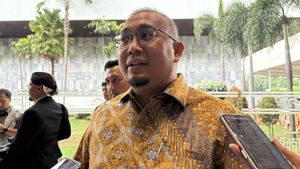
"With this ratification, the Indonesian House of Representatives hopes that all stakeholders, the central government, local governments, the business world, communities, academics, and the community can work together in implementing this law for the realization of competitive, sustainable, and prosperous Indonesian tourism," said Deputy Chairman of Commission VII DPR RI Evita Nursanty as reported by ANTARA, Thursday, October 2.
According to him, the bill contains a number of important points for changes in tourism management in Indonesia.
He explained, first, strengthening the basis and new goals by emphasizing that tourism is held based on Pancasila and the 1945 Constitution with the aim, including improving the people's economy, strengthening the nation's identity, developing cultural heritage and local wisdom, quality and sustainable tourism, increasing competitiveness, creating jobs, fostering a sense of love for the homeland and strengthening friendship between nations.
Second, the principles of implementation that prioritize sustainability, environmental sustainability, community empowerment, public participation, and integration between stakeholders as well as in the implementation of quality tourism development and development.
Third, strengthening tourism based on local communities and tourist villages. The community is given priority as workers, managers, and tourism business actors.
Tourism villages/cities are regulated more comprehensively as community-based tourism development centers.
"This new provision strengthens our tourism based on local communities or community-based tourism which places local communities as the center of sustainable tourism development activities," said Evita.
Fourth, strengthening the tourism ecosystem in an integrated and sustainable manner through development planning, improving the quality of human resources, managing destinations, strengthening industry, developing attractions, utilizing information and communication technology, involving tourism associations, strengthening cultural-based promotions, organizing creations of activities and collaborations of the central government, regions, business actors, and the community.
Fifth, strengthening tourism planning which is prepared according to the stages of the long and medium-term development plan and carried out in an integrated and integrated manner between tourism destinations and buffer areas.
Sixth, strengthening cultural-based promotions is used as an international diplomatic instrument to strengthen Indonesia's positive image in the eyes of the world.
Seventh, improving the quality of tourism human resources and tourism education, by affirming that ministries that organize government affairs in the tourism sector and/or the public can organize higher education in the tourism sector, and also regulate work competencies based on work competency standards.
Eighth, regarding funding and new regulations, including the government being given the authority to withdraw levies from foreign tourists whose results will be used specifically for tourism development.
It is also regulated that local governments allocate part of the income earned from the tourism sector for the sake of preserving nature and culture.
SEE ALSO:
-
 | EKONOMI
Menteri Maman: Pencairan Dana Digital Idealnya Hanya 2 sampai 3 Jam
02 Oktober 2025, 23:23
DPR RI dalam rapat paripurna pada Kamis resmi mengesahkan Rancangan Undang-Undang tentang Perubahan Ketiga atas Undang-Undang Nomor 10 Tahun 2009 tentang Kepariwisataan menjadi Undang-Undang.
Undang-undang itu menjadi tonggak penting dalam membangun ekosistem pariwisata nasional yang berkualitas, inklusif, adaptif, inovatif, terpadu, dan berkelanjutan, sekaligus menjawab tantangan perkembangan pariwisata global serta kebutuhan hukum masyarakat Indonesia saat ini.
SEE ALSO:
-
| EKONOMI
Menteri Maman: Pencairan Dana Digital Idealnya Hanya 2 sampai 3 Jam
02 Oktober 2025, 23:23
The Indonesian House of Representatives (DPR RI) in a plenary meeting on Thursday officially ratified the Draft Law on the Third Amendment to Law Number 10 of 2009 concerning Tourism into Law.
The law is an important milestone in building a quality, inclusive, adaptive, innovative, integrated, and sustainable national tourism ecosystem, as well as answering the challenges of global tourism development and the current legal needs of the Indonesian people.
The English, Chinese, Japanese, Arabic, and French versions are automatically generated by the AI. So there may still be inaccuracies in translating, please always see Indonesian as our main language. (system supported by DigitalSiber.id)


