



JAKARTA - The low level of early detection of cancer in Indonesia has begun to be a serious focus. Member of the Indonesian Parliament Bambang Soesatyo (Bamsoeg) encourages the use of expanded radiogenomics technology because it is considered to help read the risk of disease from the beginning, even before symptoms appear.
Data from the Ministry of Health shows that the coverage of early detection of breast cancer through SADANIS and mammography is still below 30 percent in 2025. Meanwhile, the World Health Organization (WHO) said that more than 70 percent of deaths from non-communicable diseases such as cancer, diabetes, and heart disease can be suppressed through screening and early intervention.
"Radiogenomics presents a new way of looking at the medical world by putting prevention as the main priority. We no longer wait for people to get sick, but start reading risks early with a more comprehensive data-based approach," said Bamsoet in Jakarta, Wednesday, May 13, 2026.
The former Chairman of the MPR RI assessed that a data-based health approach was an urgent need, especially when breast cancer cases in Indonesia continued to increase. The Ministry of Health data recorded more than 65 thousand new cases of breast cancer every year. Meanwhile, heart disease and diabetes still dominate the national cause of death.
Radiogenomics developed by Rhemedi Medical Services under the leadership of dr. Rheza Maulana Syahputra combines medical imaging with the patient's DNA profile. This technology allows doctors to read the potential risk of cancer or organ disorders from the early stages.
According to Bamsoet, certain patterns in mammographic results can be associated with certain gene mutations that increase the risk of cancer. Therefore, treatment can be done faster and more targeted.
"This approach is known as medical intelligence which utilizes data analysis to map a person's health risk more personally," said Bamsoet.
The Deputy Chairperson of the Golkar Party assessed that the integration of clinical, radiological, and genomic data can become the foundation of the future health system. In addition to improving service quality, this approach is considered to be able to reduce the burden of financing the National Health Insurance which has been drained for the treatment of chronic diseases.
He also asked that this innovation not only develop in big cities, but reach areas with limited access to health services.
"This radiogenomics initiative must be a sustainable national movement and reach more areas," he said.
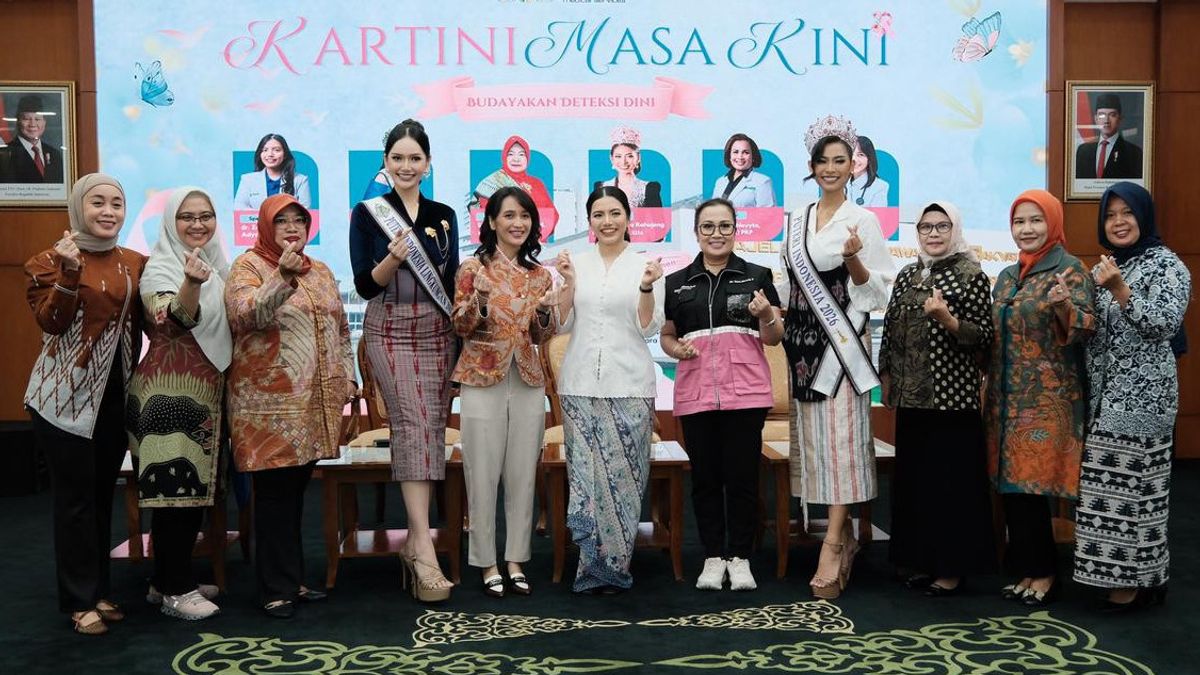
The declaration of the radiogenomics initiative was previously realized through an integrated health service in the MPR RI environment on May 11, 2026. A total of 200 people took the examination, consisting of about 130 breast examinations and 70 abdominal examinations using ultrasonography.
"We see the enthusiasm of the community is very high. This is a clear evidence that the need for early detection is urgent and must be answered with services that are easily accessible and technology-based," concluded Bamsoet.
The English, Chinese, Japanese, Arabic, and French versions are automatically generated by the AI. So there may still be inaccuracies in translating, please always see Indonesian as our main language. (system supported by DigitalSiber.id)
Most Popular Tags
#Prabowo Subianto #donald trump #firearm #8791 #giias 2026Popular


