


JAKARTA - JerryRigEverything's iPhone 17 resistance test shows that Apple's Ceramic Shield 2 technology turns out to be more resilient than expected. This phone is able to withstand scratches on the 7th level of the Mohs scale. Although the rear glass and frame are showing good results in laboratory testing, reports from real-world use show varying resistance depending on design and method of use.
For some reason, at this year's iPhone launch event, Apple seems to be more focused on material selection than ever before. The company highlights various improvements in resilience, but is this just a marketing strategy? Or is the new iPhone really resilient? In the latest video of JerryRigEverything, this YouTuber tests the basic iPhone 17 model to see how well its resistance to scratches is.
The results are quite surprising. The iPhone 17 resistance test reveals that Apple's Ceramic Shield 2 technology seems to be "violating physical laws" in terms of robustness to scratch. If previous model iPhones had already shown damage at the level of six of the Mohs scale, the iPhone 17 screen was not scratched at that level at all, showing only minor signs at the level of seven. However, more interesting discoveries come from textured rear glass testing with a variety of metals commonly found at home.
JerryRigEverything tested various objects, ranging from stainless steel barbershops, titanium rods, yellow locks, to copper wires. He even tested with a silver coin and pure gold 90%. Based on his findings, most of the daily objects that might scratch the phone turned out to leave only material transfers on the surface of the glass. This means the scratch can be completely removed easily. In other words, you might actually be able to use the iPhone 17 without casings.
However, materials such as stainless steel, plain aluminum, and plain titanium can cause permanent damage to the textured rear glass that cannot be cleaned, even with isopolelic alcohol. Meanwhile, common objects such as yellow keys, coins, and copper wires only leave marks that can be removed with a single swab.
SEE ALSO:
-
 | TEKNOLOGI
Hadir di Semarang, AXIS Esports Labs Bawa Turnamen Esports hingga Edukasi Karier
28 September 2025, 16:20 -
 | TEKNOLOGI
Komdigi Resmikan Garuda Spark Innovation Hub di Bandung, Dorong Transformasi Digital
28 September 2025, 14:45 -
 | TEKNOLOGI
Realme GT 8 Pro akan Dirilis November 2025, Ditenagai Chipset Snapdragon 8 Elite Gen 5
28 September 2025, 14:03

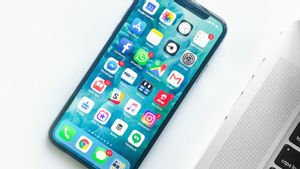
In addition to the resistance to scratches, the iPhone 17 also passed the tekuk test very well. Its aluminum range shows only a little flexibility when under pressure.
Even so, although this test proves that Apple has succeeded in increasing iPhone resistance, reports from real-world use show mixed results. There have been several reports that iPhone 17 Pro and Pro Max models are more prone to scratches. This is less related to Apple's decision to replace titanium with aluminum, but because of the design.
The larger camera bump makes it even more prominent, plus Apple chooses a sharper angle than a smoother edge, so the phone is more prone to cosmetic damage. However, overall, recent infall tests show that the iPhone 17 Pro Max is relatively resilient. Will we use it without casings? With prices ranging from USD 1.000 (IDR 16.5 million), it looks like we won't dare to do it.
The English, Chinese, Japanese, Arabic, and French versions are automatically generated by the AI. So there may still be inaccuracies in translating, please always see Indonesian as our main language. (system supported by DigitalSiber.id)
Most Popular Tags
#Prabowo Subianto #donald trump #Febrie Adriansyah #8791 #giias 2026Popular


