


JAKARTA - Pharmaceutical companies are increasingly using artificial intelligence (AI) to speed up some parts of clinical trials and regulatory submissions, thereby reducing the weeks that usually burden drug development. Although this technology has not produced major breakthroughs such as finding new molecules that become the main drugs, AI is beginning to optimize what is called the "messy middle" in the drug-making process.
Teva CEO Richard Francis called these initial results "boring, but intentional." He emphasized the importance of efficiency in digitalization work and processes that make a difference in drug development.
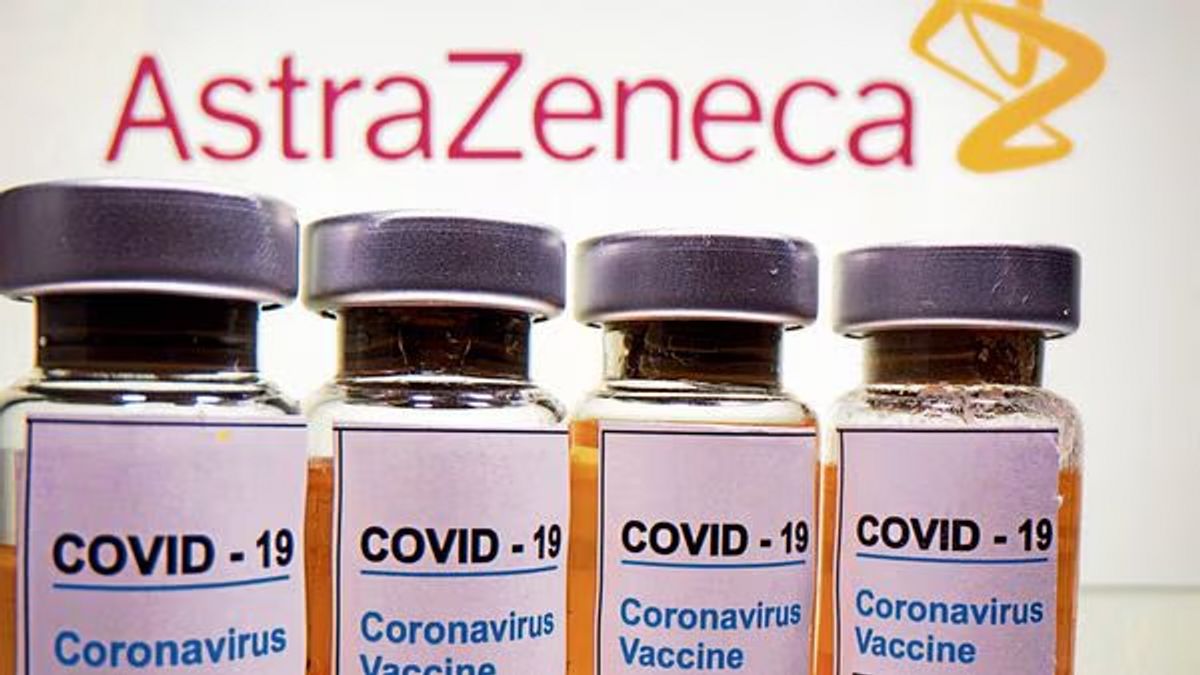
One of the main targets is regulatory documents. AstraZeneca, for example, must keep track of thousands of pages of clinical, safety, and manufacturing records, ensuring consistency across regions. AstraZeneca CFO Aradhana Sarin explained that his team often had to collect, cross-check, and align these documents, sometimes relying on outside contractors.
A concrete example comes from Novartis. Chief Medical Officer, Shreeram Aradhye, said that when launching the final stage of the Leqvio clinical trial for 14,000 participants in 2023, AI shortened the process of selecting the trial location from four to six weeks to a two-hour meeting.
"AI becomes augmenting intelligence, not artificial intelligence," said Aradhye.
GSK is also using a combination of digital tools and AI to speed up data collection and participant enrollment, targeting a 15% acceleration of clinical trials, which in the last study of the Exdensur asthma drug saved about 8 million pounds.
Other companies such as Genmab plan to use Anthropic's chatbot-based agent AI Claude to support clinical development and post-trial work automation, including creating graphs, tables, and clinical study reports. ITM, a German radiopharmaceutical company, is testing AI to turn lengthy reports into an FDA template format, potentially saving weeks of work.
TD Cowen analyst Brendan Smith emphasized that although AI has already helped administrative work, it may take one to three years before investors can assess the extent to which AI accelerates drug development and saves costs.
"What everyone is waiting for is an AI that can find a cure. I believe the molecules are already in the pipeline at this time," said Amgen Research Chief Jay Bradner.
The English, Chinese, Japanese, Arabic, and French versions are automatically generated by the AI. So there may still be inaccuracies in translating, please always see Indonesian as our main language. (system supported by DigitalSiber.id)


