
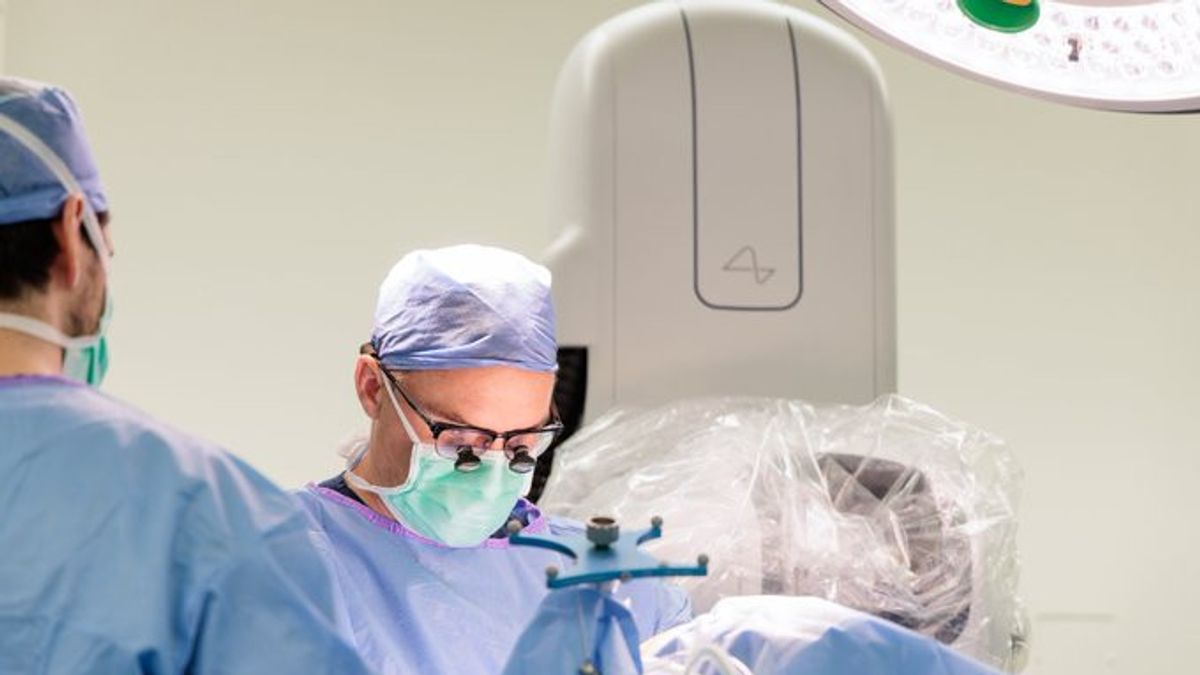


JAKARTA - Elon Musk's brain technology company, Neuralink, plans to start mass production of brain-computer interface devices (brain-computer interface) in 2026.
Through a post on the X social media platform, Musk stated that the year would be a turning point for the company to switch to high production volumes while implementing surgical procedures that are fully automated by robots.
This ambitious step was taken after Neuralink showed significant progress in its clinical trials. This implantable device is specifically designed to help patients suffering from severe medical conditions, such as spinal cord injuries, to be able to interact with the outside world again.
As proof of initial success, the first patient to receive this chip has been able to perform various digital activities ranging from playing video games, surfing the internet, to operating a computer cursor using only the mind.
Neuralink's journey to this stage of production is not short. The company only started human trials in 2024 after successfully convincing the US Food and Drug Administration (FDA) regarding the safety standards of their devices.
Previously, in 2022, their application was rejected due to concerns about safety aspects. However, investor confidence in this technology remains strong, as evidenced by the company's success in securing funding of 650 million US dollars in the June funding round.
As of September 2025, Neuralink reported that as many as 12 people around the world who had severe paralysis had used the implant. These patients are now able to control various digital devices as well as physical equipment through their brain signals.
The target for mass production and surgical automation has been publicly announced by Musk, but Neuralink management has not yet provided further official comments on the details of the technical implementation of the big plan.
The English, Chinese, Japanese, Arabic, and French versions are automatically generated by the AI. So there may still be inaccuracies in translating, please always see Indonesian as our main language. (system supported by DigitalSiber.id)
Most Popular Tags
#Prabowo Subianto #donald trump #2026 World Cup #Febrie Adriansyah #8791Popular


