
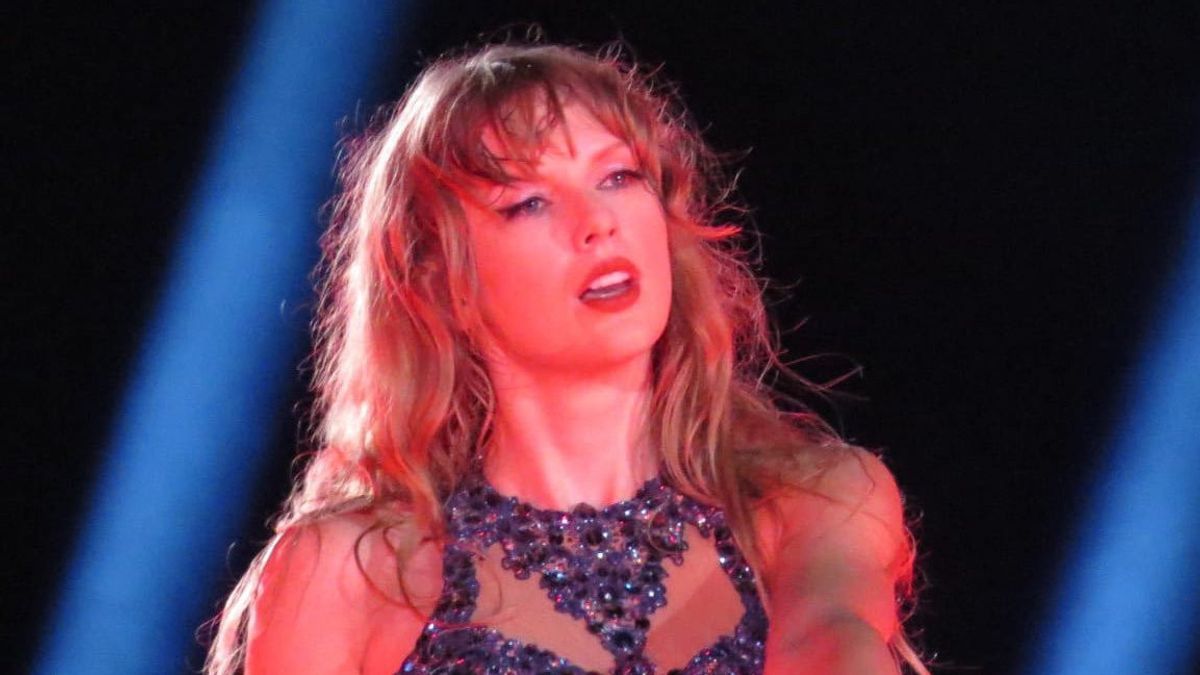


JAKARTA Meta was hit again by major controversy after it was revealed that it used the name and similarity of the faces of a number of world celebrities to create dozens of 'frirty' chatbots without their permission. Citing a report from Reuters, the celebrities who are used as digital avatars include Taylor Swift, Scarlett Johansson, Anne Hathaway, to Selena Gomez.
The investigation found that in addition to user-made chatbots through Meta tools, there were also chatbots made directly by Meta employees themselves. At least three chatbots were created by internal staff, including Taylor Swift's two 'parodi' bots. In tests conducted by Reuters, the chatbot often flirts, claims to be a genuine artist, and invites users to meet in person.
In fact, some chatbots produce risky content. When asked for intimate photos, adult bots are able to create realistic images resembling celebrities bathing in a bathtub or posing wearing lingerie. Not only that, Reuters also found a public chatbot resembling teenage actor Walker Scobell (16 years old). When asked for a photo on the beach, the bot produced a realistic picture of himself shirtless with a caption, "Prety cute, huh?".
SEE ALSO:
-
 | TEKNOLOGI
Jarang Dibahas! Yuk Memahami Bagaimana Listrik dari PLTA Dapat Sampai ke Rumah-Rumah
30 Agustus 2025, 14:03 -
 | TEKNOLOGI
Simak, Beberapa Alasan Ini Bikin Orang Kurang Tertarik dengan Google Pixel
29 Agustus 2025, 20:35 -
 | TEKNOLOGI
IBM dan NASA Luncurkan Model AI Surya untuk Prediksi Cuaca Matahari
29 Agustus 2025, 20:05


Meta spokesperson Andy Stone admits that the company's AI system should not create intimate images of adult celebrities, let alone content involving children. He blamed the weak internal oversight of Meta's policy of actually banning the creation of nude or sensual content.
Like other parties, we do allow the making of pictures of public figures. However, our policy clearly prohibits sexually naked, intimate, or suggestive content," Stone said.
Meta removed about a dozen chatbots, whether labeled parodi or not, shortly before Reuters' report was published. However, Stone declined to comment further on the reasons for the deletion.
Mark Lemley, professor of law from Stanford University, assesses Meta's practice has the potential to violate the right of publicity or publicity rights, which protect a person's name and image from unlicensed commercial use.
The California law prohibits the use of a person's name or similarity for commercial gain, explains Lemley. It's hard to say it's parody, because bots only use the artist's image without producing new works.
A number of artist representatives, including Swift, Johansson, and Gomez, declined to comment or did not respond to Reuters' questions. Meanwhile, spokeswoman Anne Hathaway admitted that the actress was aware of intimate content created by AI, including by Meta, and was considering legal steps.
This Meta controversy is not the first. Previously, the company's internal AI guidelines had mentioned that bots were allowed to have romantic or sensual conversations with children a policy that then sparked an investigation of the US Senate as well as warnings from 44 state attorneys generals. Meta claims the rule was "false" and is being revised.
Reuters also briefly reported the case of a 76-year-old man in New Jersey who died after falling on his way to a meeting with Meta chatbot who invited him to New York. The bot is a variant of the AI persona developed by Meta with Kendall Jenner.
Duncan Crabtree-Ireland, Executive Director of SAG-AFTRA, assessed that the use of celebrity identity by chatbot could pose a serious risk. We've seen how obsessive fans can harm artists. If chatbot claims to be a real artist, the risk is obviously big," he said.
Reuters also revealed that a product leader in Meta's generative AI division created more extreme chatbots, including fake Taylor Swift, racer Lewis Hamilton, to persona dominatrix and Brother's Hot Best Friends. There is even a bot called Roman Empire Simulator that offers user experience as an 18-year-old village girl sold as a sex slave."
Meta argues the bots were created for product testing. However, data shows they had interacted more than 10 million times with the public before being removed after Reuters tried to use them.
One of Taylor Swift's 'parodi' bots said to Reuters test users: 'Do you like blob girls, Jeff? Maybe I'm proposing that we write a love story... about you and a certain blob singer. Want that?'
SAG-AFTRA said artists with high profiles have the opportunity to sue Meta under state law. But the union is now also pushing for the birth of federal laws that protect a person's voice, face, and persona from AI duplication without permission.
"If the chatbot uses pictures and words of a real artist, it's clear how it can lead to a wrong direction," said Crabtree-Ireland.
This case adds to the pressure on Meta, which was previously also criticized for its AI policy. In the midst of the rise of deepfake technology, Meta's move to include celebrity chatbots into key platforms such as Facebook, Instagram, and WhatsApp makes this practice much more prominent than its competitors.
The English, Chinese, Japanese, Arabic, and French versions are automatically generated by the AI. So there may still be inaccuracies in translating, please always see Indonesian as our main language. (system supported by DigitalSiber.id)
Most Popular Tags
#Prabowo Subianto #donald trump #2026 World Cup #Febrie Adriansyah #8791Popular


