

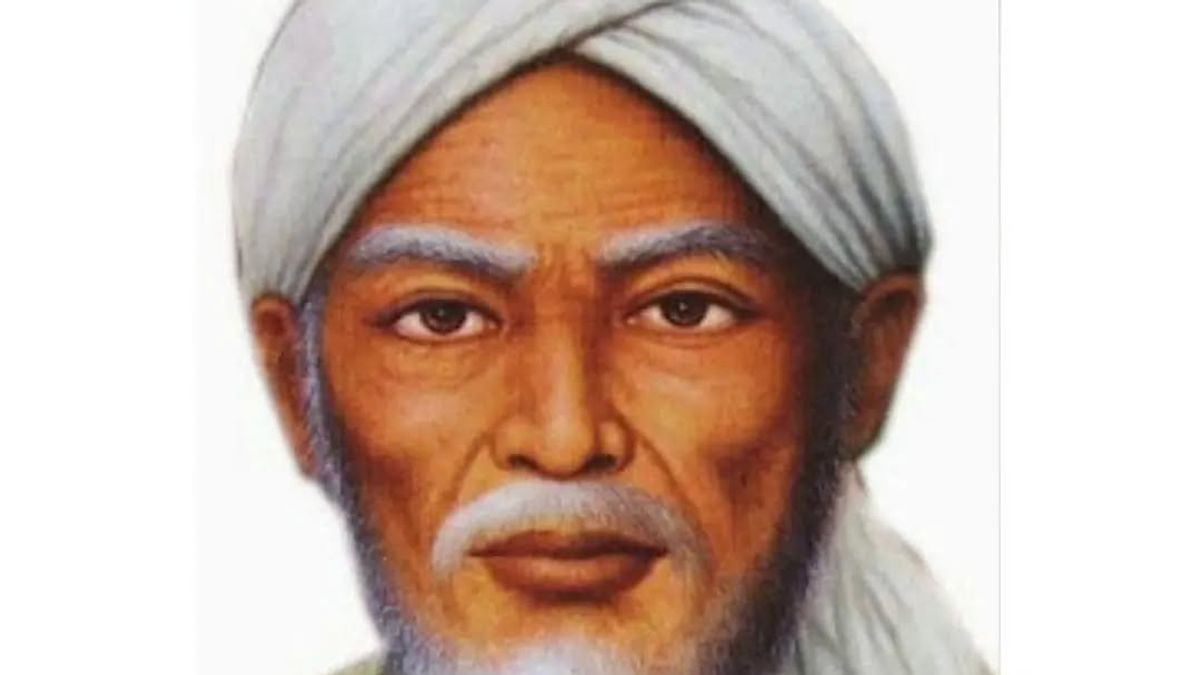


YOGYAKARTA - Sunan Ampel, or Raden Rahmat, is one of the songo guardians who is famous in the history of the spread of Islam in Java, especially in the Surabaya region. As a da'wah figure, Sunan Ampel is known for Sunan Ampel's very effective da'wah strategy, combining religious approaches with local culture.
This time we will discuss in-depth the Sunan Ampel da'wah strategy, which involves various methods, such as social, cultural, and economic approaches to spread Islamic teachings among the Javanese people.
Sunan Ampel's Brief History
Sunan Ampel is one of the nine guardians known as the main spreader of Islam on the island of Java. He was born in Champa (now part of Vietnam) and then settled in Ampel, Surabaya, which is now one of the centers of Islamic da'wah in Indonesia. Sunan Ampel is known as a wise guardian, very concerned with the right ways to convey Islamic teachings to Javanese people who are still very bound by Hindu-Buddha traditions.
One of the important aspects of Sunan Ampel's da'wah strategy is its ability to combine Islamic teachings with local culture. He realized that in order to make Islam accepted by the people of Java, an approach that is not only based on coercion but also local cultural acceptance is needed.
Sunan Ampel uses education as one of the main strategies in his da'wah. In Ampel, he founded Islamic boarding schools that became centers for learning of Islam. This pesantren not only teaches religious science, but also introduces Islamic culture, such as Arabic, literature, and moral teachings contained in the Qur'an and Hadith. This method is very effective in producing a new generation that understands religion deeply and is able to spread it to others.
Sunan Ampel is known for his approach that respects local customs and traditions. He did not immediately replace existing traditions, but preferred to direct and guide the public so that they could see Islam as a religion that could coexist with local culture. For example, Sunan Ampel utilizes local cultural arts, such as shadow puppets, as a medium of da'wah. Through a puppet show that tells Islamic stories, he succeeded in conveying moral and religious messages to the community in a fun and easy-to-be-acceptable way.
In addition to education and culture, Sunan Ampel's da'wah strategy also involves an economic approach. Sunan Ampel encourages people to implement economic systems that are in accordance with Islamic teachings, such as zakat, infaq, and alms. It aims not only to improve the welfare of the people, but also to strengthen social bonds in society. He also introduced the concept of fair trade, which pays more attention to common welfare, in accordance with Islamic principles.
Using Social Power In Da'wah
Sunan Ampel realizes that social influences are very important in the spread of religion. Therefore, he builds good relations with local leaders, including the rulers, who can help support the spread of Islam. This approach allows Sunan Ampel to gain the support needed in expanding her da'wah to a wider area.
In addition, Sunan Ampel's da'wah strategy also includes the use of community social networks, such as family groups and indigenous communities. He not only spoke directly to individuals, but also established relationships with larger community groups to ensure that Islamic messages were widely accepted.
The Influence And Heritage Of Sunan Ampel's Da'wah
The da'wah carried out by Sunan Ampel left a very important legacy in the history of the spread of Islam in Java. One of its heritages is the development of the pesantren system as an Islamic educational institution that continues to play an important role to this day. The pesantren founded by Sunan Ampel became the birthplace of scholars and Islamic leaders who played a role in maintaining and developing Islamic teachings in Indonesia.
Furthermore, Sunan Ampel's da'wah strategy, which combines religion with local culture, as well as a social and economic approach, provides examples of how da'wah can be done in a wise, tolerant way, and by taking into account the condition of the local community.
SEE ALSO:
-
 | BERITA
Korban Tewas Banjir Thailand Capai 162 Orang, Songkhla Paling Parah
30 November 2025, 09:00 -
 | OLAHRAGA
Gol Menit Pertama dan Terakhir Foden Menangkan Man City Lawan Leeds United
30 November 2025, 00:17

Sunan Ampel's da'wah strategy is an example of how Islamic da'wah can be done with a wise and wise approach. Through education, social and cultural approaches, as well as economic strengthening, Sunan Ampel succeeded in effectively spreading Islamic teachings among the people of Java. The approaches he applied were not only to introduce religion, but also to bring positive social and cultural changes to society at that time. Sunan Ampel's da'wah heritage remains an integral part in the history of Islamic development in Indonesia to date. Also know the Origin of Eid Proposals What Was The Creation of Wali Songo?
So after knowing Sunan Ampel's da'wah strategy, see other interesting news on VOI.ID, it's time to revolutionize news!
The English, Chinese, Japanese, Arabic, and French versions are automatically generated by the AI. So there may still be inaccuracies in translating, please always see Indonesian as our main language. (system supported by DigitalSiber.id)
Most Popular Tags
#Prabowo Subianto #donald trump #2026 World Cup #Febrie Adriansyah #8791Popular


