


YOGYAKARTA - The car radiator is one of the important components in the vehicle cooling system. Without a properly functioning radiator, the engine temperature can increase drastically, which can damage other components. This article will discuss the car radiator components, their functions, as well as how to maintain them so that your car remains in excellent condition.
Knowing the Car RadiatorThe car radiator is part of the cooling system which serves to keep the engine temperature stable. The car engine works at very high temperatures, and without a good cooling system, the engine can quickly overheat and break down. The radiator plays a role in dissipating the heat generated by the engine to the air through the coolant circulating in it.
Components of Car Radiators that Need to Be KnownTo understand how the radiator works, we need to know the components of the car radiator that are in the cooling system. Here are some of the main components of the car radiator:
1. The radiator itself
The radiator is the main component in the cooling system. Usually made of metal such as aluminum or copper, the radiator serves to cool the coolant flowing through the channels inside it. The cooling process occurs when the air flowing through the radiator grille absorbs heat from the coolant.
2. Coolant
The coolant is a mixture of water and antifreeze used to drain heat from the engine to the radiator. This car radiator component is very important because insufficient or contaminated coolant can interfere with the cooling process and cause the engine to overheat.
3. Cooling Fan
The cooling fan serves to help circulate more air through the radiator when the vehicle is stationary or moving at low speeds. Without a fan, the cooling process will be less optimal, especially when stuck or when the engine is working hard.
4. Radiator Hose
Radiator hoses connect various components in the cooling system, such as between the engine and the radiator. These hoses carry coolant to be cooled in the radiator and drain the cooled coolant back to the engine. Make sure the radiator hose is in good condition and not leaking to keep the flow of coolant smooth.
5. Thermostat
A thermostat is a temperature regulator that controls the flow of coolant to the radiator. When the engine temperature reaches a certain level, the thermostat opens and allows the coolant to flow into the radiator to cool the engine. If the thermostat is broken, the engine can overheat because the coolant does not flow well.
6. Radiator Cover (Radiator Cap)
Radiator caps serve to keep the pressure in the cooling system stable. This pressure allows the coolant to boil at a higher temperature, thereby increasing cooling efficiency. Radiator caps are also equipped with a pressure relief valve that will open if the pressure in the system is too high.
7. Reservoir or Reserve Tank
The reserve tank is a container where the coolant reserve is stored. If the coolant is reduced due to evaporation or leakage, the reserve tank will supply additional liquid to keep the coolant level optimal.
Main Functions of Car Radiator ComponentsAll components of a car radiator work together to keep the engine temperature within safe limits. Some of the main functions of the radiator include:
1. Keep the Machine Temperature Stable
The radiator serves to keep the engine temperature stable so that the engine does not get too hot. An engine that is too hot can cause severe damage to engine components, even causing the engine to stall.
2. Prevent Damage to the Machine
A cooling system that works well will prevent damage caused by overheating, such as cracks in the engine block or cylinder head gasket leaks.
3. Optimizing Vehicle Performance
A machine that remains at the optimal temperature will work more efficiently. Thus, a well-functioning radiator also contributes to fuel efficiency and overall vehicle performance.
How to Care for Car Radiator ComponentsIn order for the car radiator components to function properly and last a long time, there are several maintenance steps that need to be taken, including:
1. Check the Cooling Fluid Periodically
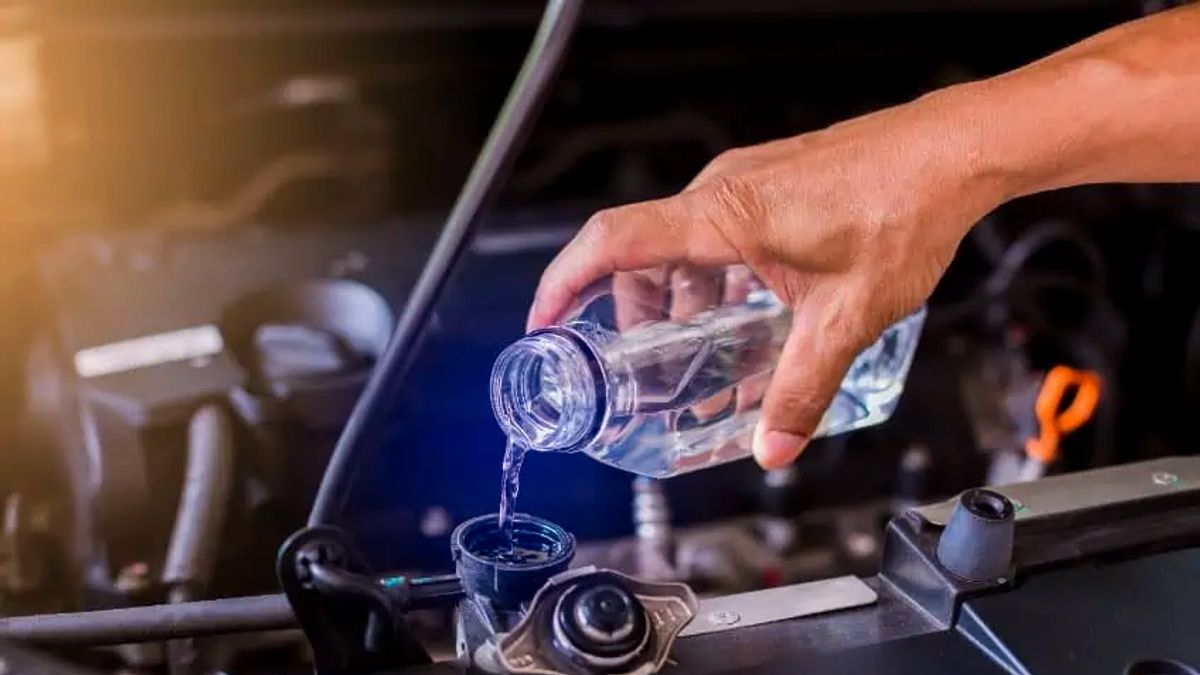
Make sure the coolant level is always sufficient. If the coolant is too low, top it up with the appropriate fluid. Use the right coolant mixture according to the vehicle manufacturer's recommendations.
2. Check the Radiator Hose
Check the radiator hose regularly to ensure there are no leaks or damage. A cracked or leaking hose can cause coolant to leak out and the cooling system to not work properly.
3. Clean the Radiator
A dirty radiator can reduce its ability to cool the coolant. Make sure the radiator is not covered with dust or dirt that can block the airflow. Clean it regularly using the appropriate tools.
4. Check the Cooling Fan
Make sure the cooling fan works well. If the fan does not work, the cooling process can be disrupted, especially when the vehicle stops or moves slowly.
5. Replace Cooling Fluid Regularly
Coolant needs to be replaced every few years or according to the manufacturer's instructions. Old or contaminated fluids can lose their ability to cool effectively.
The car radiator component is a very important element to keep the engine temperature stable and prevent damage due to overheating. By taking good care of all these components, you can ensure that the vehicle continues to run smoothly and safely. Don't forget to do regular checks so that the car radiator components function optimally and extend the life of your vehicle. In addition, know the Causes of Radiator Water Quickly Running Out.
So after knowing the components of the car radiator, check out other interesting news at VOI.ID, it's time to revolutionize the news!
The English, Chinese, Japanese, Arabic, and French versions are automatically generated by the AI. So there may still be inaccuracies in translating, please always see Indonesian as our main language. (system supported by DigitalSiber.id)
Most Popular Tags
#Prabowo Subianto #donald trump #Febrie Adriansyah #8791 #giias 2026Popular


