
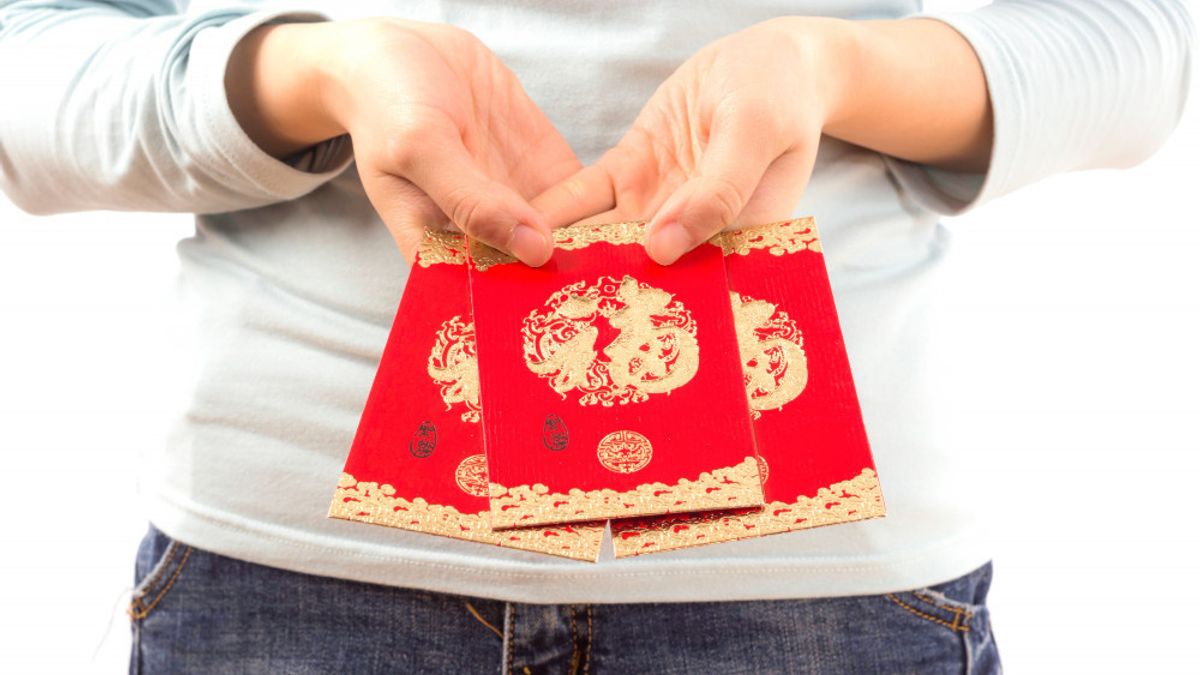


YOGYAKARTA - Who is entitled to receive Chinese New Year angpao is often a question leading up to Chinese New Year, especially for young people who want to understand Chinese traditions and cultural meanings.
In fact, the tradition of angpao is not just about sharing money, but is full of symbolic meanings about prayers, luck, and family relationships that have been maintained for generations in the Chinese New Year celebration.
Quoted from the University in Winston-Salem and Google Art & Culture, here are some understandings of the angpao tradition that you must know:
The Meaning of Angpao in Chinese New Year TraditionAngpao or hongbao in Chinese culture is a red envelope containing money given at Chinese New Year. The word hongbao comes from Mandarin, while in other dialects it is called lai see (Cantonese) or angpau in Hokkien.
The tradition of receiving angpau is not just about the money, but a symbol of luck, safety, and good wishes for the new year.
The color red itself is believed to bring good luck and drive away negative energy. The envelope is usually decorated with lucky symbols such as dragons, phoenixes, Chinese lions, or the zodiac animals of the year.
Interestingly, in modern practice, popular motifs include Disney or Pokémon characters that appeal to children.
Read also the article discussing Eating a lot during Chinese New Year? Try these 5 Detox Ways
Who is entitled to receive Angpao Imlek?Traditionally, all unmarried children are entitled to receive Chinese New Year angpaos. They usually receive them from parents, grandparents, uncles, aunts, and other older relatives.
It is not uncommon for close friends of the family or neighbors who have a close relationship to also give angpao to children during the celebration.
Some certain family cultures even have the habit of children receiving angpao from anyone who comes to visit during the celebration.
In some communities, a popular phrase that is often heard is "Gōng Xǐ Fā Cái, Hóng Bāo Ná Lái!" which means "May you be prosperous and ... where is the angpaonya? Well, of course, the latter is certainly delivered with a joking tone.
Angpao Giving CriteriaAngpao givers are generally married people or those who are more senior in the family, such as:
Older parents and relatives Grandparents Uncles and aunts Sometimes close family friends or neighborsThis tradition shows the relationship between the more established giver and the younger or unmarried recipient. In some families, adult singles can also give angpao to younger siblings as a form of compassion.
Ethics and Rules for Giving AngpaoNot only about who gives and receives, there are also cultural rules that are maintained from generation to generation:
Value of Money InvestedChinese people pay close attention to the numbers in envelopes. Numbers containing the number 4 are avoided because they sound similar to the word death, so they are considered to bring bad luck. On the other hand, the number 8 is very popular because it sounds similar to the word prosperity or luck.
New MoneyIt is recommended to use new money that is clean and neat, because this symbolizes a new beginning and brings luck, not worn money or coins.
How to Give and ReceiveWhen receiving angpao, it is best to do so with two hands full of respect. In more formal traditional practices, children sometimes also kneel when receiving from the older ones.
In addition, angpao should not be opened in front of the giver as a sign of courtesy.
The Meaning of the Philosophical Behind the Angpao TraditionMore than just money, angpao is a symbol of love, hope, and prayer for a better future. This tradition strengthens family ties and connects the old generation with the young through prayer and togetherness.
Inside the envelope, there is a message about luck, love, and joy welcoming the new year.
In addition to discussing who is entitled to receive Chinese New Year angpao, follow other interesting articles at VOI, to get the latest news, don't forget to follow and monitor all our social media accounts!
The English, Chinese, Japanese, Arabic, and French versions are automatically generated by the AI. So there may still be inaccuracies in translating, please always see Indonesian as our main language. (system supported by DigitalSiber.id)
Most Popular Tags
#Prabowo Subianto #donald trump #firearm #8791 #giias 2026Popular


