
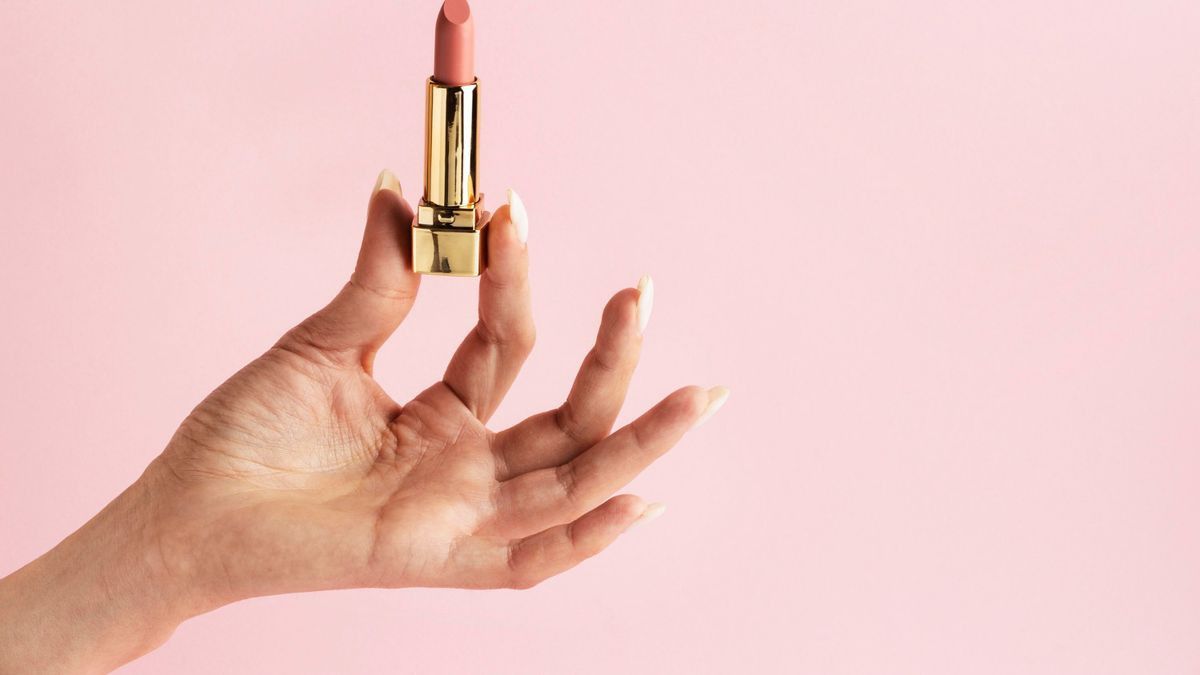


YOGYAKARTA - Mauve color is one of the colors that are increasingly popular in the world of fashion and interior design. However, there are still many who ask, what is mauve color? For more information, read this review of this elegant mauve color.
What is Mauve Color?Reported by Antara, the color mauve is a pale purple hue with a touch of gray and pink. The name "mauve" is taken from the French language which refers to the mallow flower. This color is between purple and pink in the color spectrum, creating a soft and elegant feel.
Here are the main characteristics of mauve color:
Has elements of purple, gray, and pink Belongs to the pastel color group Often associated with elegance and tranquility Invites a soft and soothing impressionIn the RGB color system, mauve generally has a composition of about 224 red, 176 green, and 255 blue. However, there are various variations and gradations of mauve colors that can be adjusted in intensity.
What are the Characteristics of Mauve Color?Mauve color has some unique characteristics that make this color interesting to use in various applications:
Elegant and sophisticated - This color is often associated with elegance and sophistication. Soft and calm impression - Its pastel nuances create a soothing and comfortable atmosphere. Feminine impression - The soft mauve nuances are considered to represent the feminine side. Neutral but not boring - Mauve offers an interesting alternative to the usual neutral colors such as white or gray. Versatility - Mauve can be combined with a variety of other colors, both contrasting and harmonious.Popular variations of mauve colors include:
Dark mauve - A darker and more intense version of mauveLight mauve - A lighter and softer shade of mauveMauve pink - A variation of mauve that leans more towards pinkDusty mauve - Mauve with a stronger touch of grayThese characteristics make mauve a popular choice in various fields, from fashion to interior design.
Interesting History of Mauve ColorDid you know, the color mauve has an interesting history and is closely related to the development of the synthetic dye industry. Below are some important points that we can find in the history of the color mauve:
Accidental discovery - The mauve color was first discovered accidentally by a young British scientist named William Henry Perkin in 1856. The beginning of synthetic dyes - This discovery was the beginning of the era of synthetic dyes, significantly changing the textile industry. Popularity in the Victorian era - In the Victorian era, the mauve color became very popular, even dubbed the "mauve decade" for the 1890s. Status symbol - Due to its complex manufacturing process, mauve-colored clothing became a symbol of status and wealth. Modern developments - Over time, dyeing techniques have evolved, making mauve color easier to produce and widely used. The discovery of the mauve color not only had an impact on the fashion industry, but also paved the way for the development of other synthetic dyes used in various industries today.Mauve color has high flexibility in terms of color combinations. Below are some color choices that are suitable to be combined with mauve:
Gray - Gives an elegant and modern feel. White - A classic combination that creates a clean and fresh look. Navy blue - An interesting contrast between dark and light colors. Mint green - A fresh combination suitable for the spring look. Cream or beige - Creates a soft and warm look. Rose gold - A luxurious combination for a more glamorous look. Pastel yellow - Creates a cheerful but still soft color palette.This is an overview of mauve colors, characteristics, history, and suitable combinations. Hopefully useful. Visit VOI.id for other interesting information.
The English, Chinese, Japanese, Arabic, and French versions are automatically generated by the AI. So there may still be inaccuracies in translating, please always see Indonesian as our main language. (system supported by DigitalSiber.id)


