
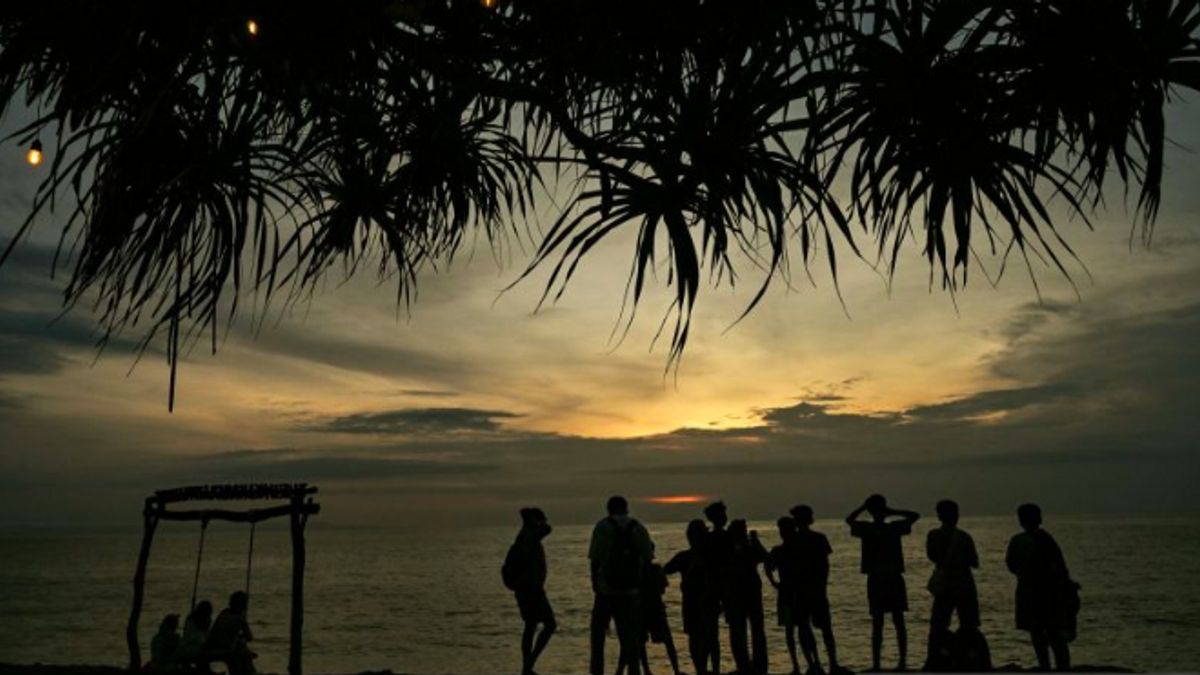


JAKARTA - Post holiday blues is a temporary emotional condition that often appears after the holidays or celebrations are over.
Feelings of reluctance to return to routine, decreased enthusiasm, and the emergence of emptiness are often experienced when someone has to face the demands of everyday life after a pleasant break.
Clinical psychologist Virginia Hanny, M.Psi., Psychologist explained that post holiday blues can be experienced by various circles, ranging from students to workers.
"Research shows that this condition is related to the transition from pleasant activities to daily demands, and can be faced by anyone including schoolchildren, students, and office workers," said Virginia, when contacted by ANTARA from Jakarta.
He explained that there are a number of signs that can indicate that someone is experiencing post-holiday blues. These symptoms include feeling sad, depressed, or empty without a clear reason, as well as decreased motivation to return to school and work activities.
"Easy to get tired, lethargic or difficult to concentrate, sleep disorders, easily offended or feel anxious when faced with obligations, and a feeling of 'not ready' to face the routine again," he said.
Virginia emphasized that this condition is not a mental disorder, but an adaptive response of the body and mind to changes in routine and increased demands after the holiday period ends.
According to him, post holiday blues are still considered normal if it lasts for a few days to one to two weeks. As time goes on, mood and energy will generally return to adjusting to daily routines.
However, Virginia reminds that this condition should not be ignored if it lasts longer than two weeks. In this situation, a person is advised to seek professional help, such as a clinical psychologist or psychiatrist.
"There is no definite time to determine how long the post holiday blues will last," said the psychologist who practices at Personal Growth.
"We need to be alert if they last more than two weeks, the symptoms are getting worse or have interfered with the individual's functioning in academics or work, because they may no longer be post-holiday blues," he added.
The English, Chinese, Japanese, Arabic, and French versions are automatically generated by the AI. So there may still be inaccuracies in translating, please always see Indonesian as our main language. (system supported by DigitalSiber.id)


