
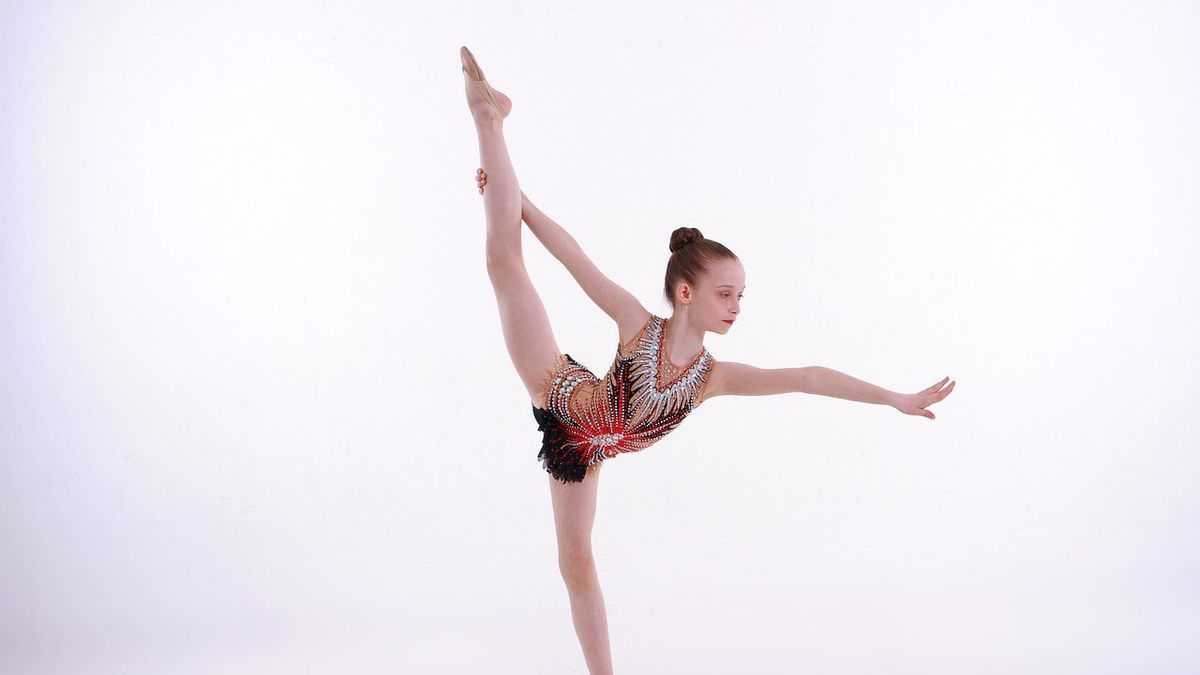


YOGYAKARTA - Rhythmic gymnastics is one type of sport that is favored by various age groups. This sport combines body movements with the rhythm of music so that it looks beautiful and orderly. In addition to being fun, rhythmic gymnastics also has many benefits for body health.
In everyday life, rhythmic gymnastics is often done as a fitness and entertainment activity. To be able to do rhythmic gymnastics well, an understanding of the basic movements is needed. Therefore, it is important to know what rhythmic gymnastics is and what are the basic movements.
What is Rhythmic Gymnastics?Rhythmic gymnastics is a type of gymnastics that is done by following a certain rhythm or count. The movements in rhythmic gymnastics emphasize flexibility, movement accuracy, and harmony with the rhythm. Music plays an important role in determining the tempo and character of the movement.
In general, rhythmic gymnastics can be done with or without aids. The tools that are often used include tape, balls, simpai, and sticks. However, rhythmic gymnastics is more often done without any tools.
The main purpose of rhythmic gymnastics is to improve physical fitness while expressing the beauty of movement. In addition to training the body, this gymnastics also trains concentration and confidence. Therefore, rhythmic gymnastics is suitable for children to adults.
Basic Movement of Rhythmic GymnasticsThe basic movement of rhythmic gymnastics consists of several important elements which include foot step movement, arm swing, body posture, and movement coordination. Each element has an important role in creating a harmonious series of movements.
Movement of footstepsThe movement of the foot is the basis of almost all rhythmic gymnastics routines. The steps can be performed forward, backward, sideways, or spinning to the rhythm. The accuracy of the foot steps will affect the balance and beauty of the movement.
Swing ArmIn addition to footwork, arm swings are also basic movements that are no less important. Arm swings can be done forward, sideways, up, or spinning. This movement helps maintain rhythm and adds aesthetic value to rhythmic gymnastics.
Body AttitudeBody posture or posture is also very important in rhythmic gymnastics. It is important to maintain body balance while doing rhythmic gymnastics. The body must be flexible to follow the movements of the feet and arms. The right body posture can prevent injuries while doing gymnastics.
Coordination between feet, hands, and body is the main key in rhythmic gymnastics. The movements must be done in harmony with the music and not interrupted. With good coordination, rhythmic gymnastics will look more flexible and pleasing to the eye.
Meloncat MovementJumping movements are also included in the basic movements of rhythmic gymnastics. The jump is done lightly and lands in balance. This movement trains the strength of the leg muscles as well as the agility of the body.
Putaran MovementIn addition, the rotation movement is often used for variations in rhythmic gymnastics. The rotation can be done in place or while changing position. This movement trains balance and body control.
Movement of bending and stretchingThe movement of bending and stretching the body is also part of rhythmic gymnastics. This movement helps increase muscle and joint flexibility. If done regularly, the body will become more flexible and not easily stiff.
By understanding the basic movements of rhythmic gymnastics above, one can perform gymnastics better, safely, and beautifully. Through regular practice, rhythmic gymnastics can improve fitness, flexibility, and confidence.
In addition to discussing the basic movement of rhythmic gymnastics, follow other interesting articles at VOI.ID. So as not to miss the latest news, follow and monitor our social media accounts!
The English, Chinese, Japanese, Arabic, and French versions are automatically generated by the AI. So there may still be inaccuracies in translating, please always see Indonesian as our main language. (system supported by DigitalSiber.id)


