


JAKARTA - Boarding a plane is fun, especially when heading to a new destination. However, air travel can have a significant impact on the body.
Low air pressure, cold temperatures, and decreased oxygen levels can affect physical condition, not to mention travel stress and disrupted sleep.
One of the things that is most felt when flying is the impact on digestion. Ellie Birch, senior nutritionist at Holland & Barrett, explains.
"Cabin pressure usually affects digestion the most when flying. Many passengers experience bloating on the plane caused by gas in the body that expands due to low air pressure," said Birch, quoted from the CN Traveller website.
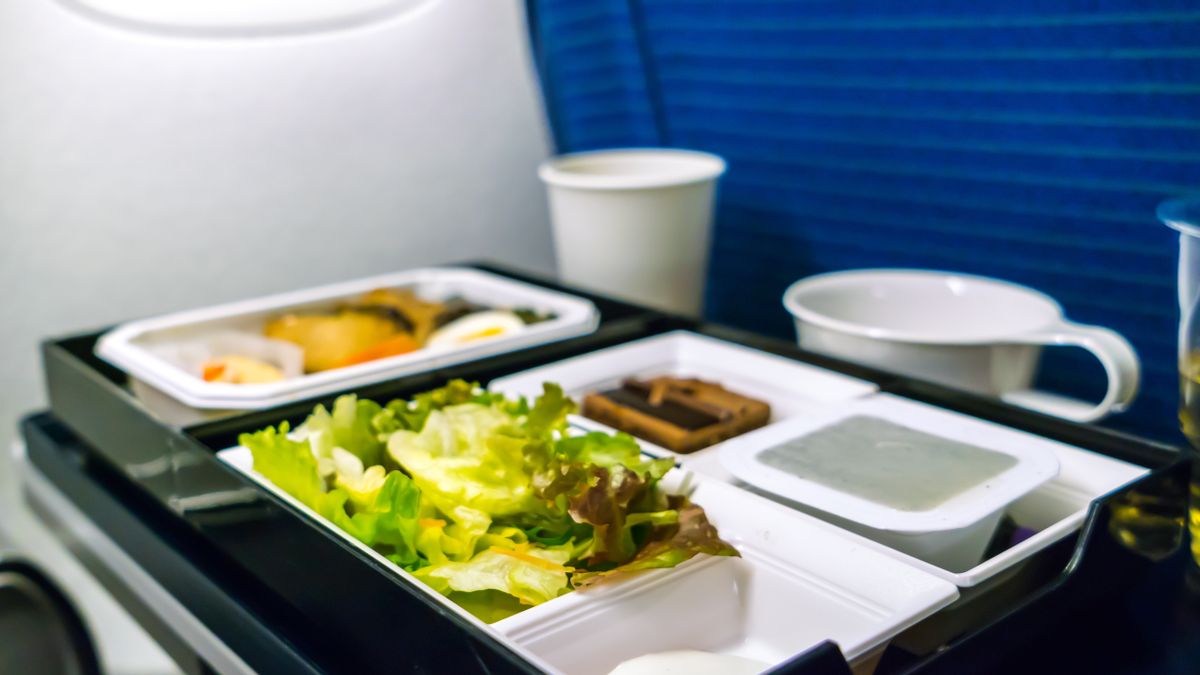
"In addition, food on the plane is usually highly processed, low in fiber, and high in sugar, salt, and preservatives that can cause digestive problems," he continued.
Dr. Jo Woodhurst, head of nutrition at Ancient + Brave said when air pressure drops, gases in the body expand, just like what you see on a can of beans during flight.
"This also happens in the stomach, so it can make us feel uncomfortable," he explained.
Foods and Beverages to Avoid
Based on the advice of nutritionists, there are some foods and drinks that should be avoided when flying.
1. Alcohol
Stephanie Smith, a nutritionist from Agora Health said alcohol can be very dehydrating, especially if it is not balanced with enough water.
"If you want to keep drinking, choose a healthier option like Bloody Mary, because tomato juice contains electrolytes and antioxidants," said Smith.
2. Coffee and caffeinated beverages
Caffeine is a stimulant and can increase the anxiety of passengers who are groggy.
"For anxious passengers, it's best to replace caffeinated drinks with decaf versions or other drinks such as hot chocolate, matcha latte with almond milk, or herbal tea," said Stephanie.
3. High Salt Food
Stephanie revealed that eating too much salt can aggravate dehydration which causes headaches, fatigue, and mind wandering.
"Choose snacks without added salt and avoid salty foods before and during the flight," said Stephanie.
4. Ultra-Processed Foods
Airplane food is often low in fiber and nutrients, but high in salt and preservatives. To overcome this, it is recommended to bring your own healthy snacks such as fruit, nuts, seeds, dark chocolate, popcorn, or oatcakes.
Tips to Help Digestion When Flying
In addition to avoiding certain foods, these steps can help the body stay comfortable.
- Keep consuming the usual supplements
- Reduce drinks that cause dehydration such as caffeine, alcohol, and soda
- Prioritize hydration, for example, bring an empty water bottle to refill. Drinking about 1.5 liters of water per day can prevent bloating.
- Bring practical snacks that are easy to carry
- Maintain food variety when traveling
The English, Chinese, Japanese, Arabic, and French versions are automatically generated by the AI. So there may still be inaccuracies in translating, please always see Indonesian as our main language. (system supported by DigitalSiber.id)
Most Popular Tags
#Prabowo Subianto #donald trump #firearm #8791 #giias 2026Popular


