


YOGYAKARTA - Sulawesi Island is a node for the confluence of ancient shipping lanes, fertile mountains, and biologically rich bays. From there were born a variety of strong and dynamic ethnic identities.
When discussing the tribes that inhabit the sulawesi region, we talk about historical networks, languages, and customs that influence each other, not just a list of names. This article summarizes the distribution of the main ethnicity, cultural characteristics, and its relevance for today's cultural education and tourism.
1. Bugis 'Makassar: Traces Of Maritime Affairs And Etos Siri' Na Pacce
In the south, Bugis and Makassar mark Sulawesi with a strong maritime tradition. Screenboats, navigational skills, and the Nusantara trading network are hard-to-separated identities. Etos siri na pace self-esteem and solidarity direct social relations, dispute resolution, and the spirit of monitoring. Culinary such as coto, pallubasa, to rica spice burning fish emphasize the coastal character combined with garden and sea products.
2. Toraja: Tongkonan Architecture and Communal Ritual
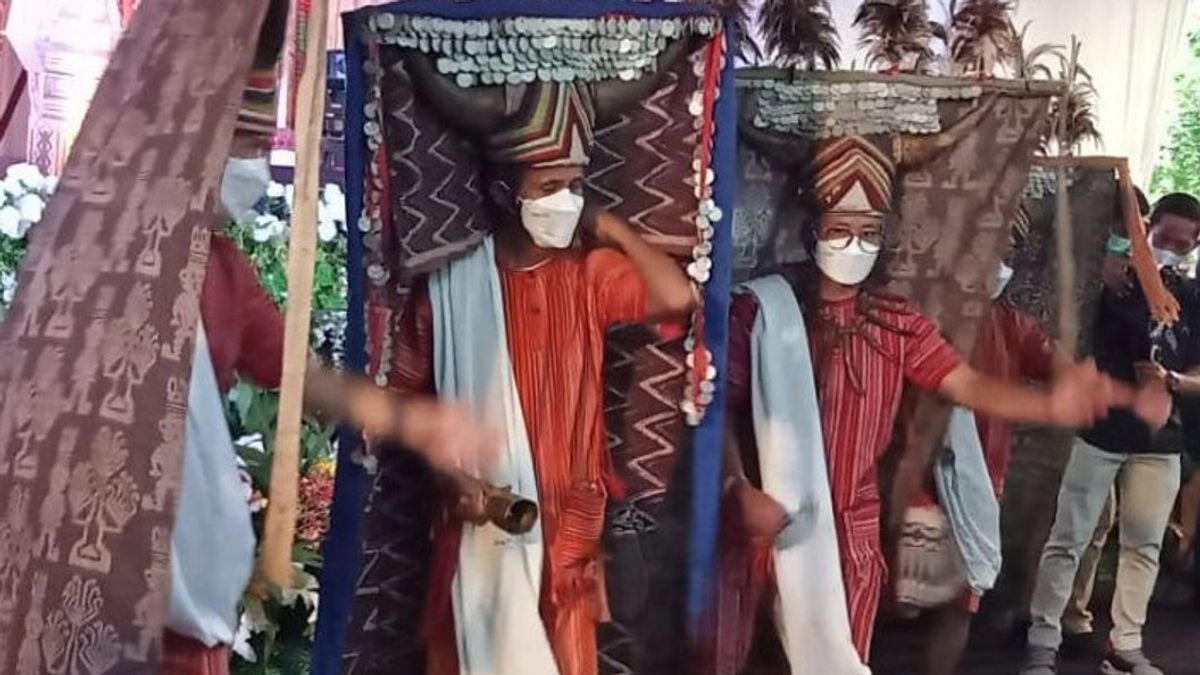
In the Tana Toraja mountains, the traditional tongkonan house stands as a social, political, and spiritual center. The wood carving contains a cosmological symbol, while the large-scale death ritual becomes a meeting room for cross-generation families. Crafts, coffee farming, and cultural tourism grow local economies, while encouraging the preservation of tradition and nature.
3. Mandar and Minahasa: Pesisir Barat and Ujung Utara
Mandar in the west is known for its fast sleek sailing boat and traditional shipping calendar. The community combines the activities of fishermen, entrepreneurs, and inter-island networks. In the north, Minahasa synergizes the legacy of walak (traditional social units), kolintang music, and culinary islands with a strong taste. Mountain landscapes, lakes, and beaches make this area rich in natural destinations that coexist with local traditions.
4. Gorontalo: Tenun Karawo and Harmoni Adat'Agama
Gorontalo on the north-central coast features a strong combination of customs with religious identity. Weaving kalawo, Dulohupa traditional house, and a distinctive style of speech show the continuity of local knowledge. Agriculture, fisheries, and education activities grew along with cultural literacy that continues to be inherited.
5. Tolaki, Buton, And Kaili: Agraris' Strengthening Maritimes
In Southeast Sulawesi, Tolaki and Buton have a lifestyle that connects gardens, forests, and the sea. Traces of the Sultanate of Buton revive the script archives, fort city planning, and a well-organized value system. In Central Sulawesi, the Kaili community together with Mori, Saluan, and Banggai manage valleys and coasts through agriculture, handicrafts, and deliberation traditions that emphasize community harmony.
SEE ALSO:
-
 | LIFESTYLE
Budaya Kerja Sehat yang Bikin Karyawan Betah dan Semakin Produktif
28 Agustus 2025, 19:35


6. Same 'Bacau: Coastal Science Guard
The Sama Community is often dubbed the sea explorer'. They have the expertise of diving, reading currents, and arranging living in harmony with coastal ecosystems. This knowledge is relevant for modern conservation, from coral management to sustainable fishing practices.
Language, Economy, And Cultural Tourism
The diversity of tribes that inhabit the sulawesi area is reflected in the language map of a population of Austronesia rich in phonology and vocabulary. In the economy, residents develop cocoa, coffee, rice, fisheries, and creative industries. Cultural tourism, such as Toraja, Wakatobi, to Togean, requires fair governance, involving the local community as the main actor so that sustainability is maintained.
Why Is This Diversity Important?
Understanding the tribes that inhabit the region of Sulawesi helps schools, researchers, policymakers, and tourism actors develop culturally sensitive programs. This approach prevents identity damage, as well as opens up economic opportunities that respect customs, language, and the environment.
Sulawesi is not just a branching island; it is a 'cultural intersection' that continues to exist. From Bugis 'Makassar' which carves traces of maritime, Toraja with communal, Mandar and Minahasa nuances, harmonious Gorontalo, to Tolaki, Buton, Kaili, and Sama, Bajau who maintains agrarians, the coast entirely composes a mosaic of the identity of the archipelago. Studying them means caring for a future rooted in local wisdom as well as open to the world. In addition, also know that this Tribe in Indonesia has Natural Blue Eyes and the World's Widest Fort
So after knowing the tribes that live in the Sulawesi area, see other interesting news on VOI.ID, it's time to revolutionize news!
The English, Chinese, Japanese, Arabic, and French versions are automatically generated by the AI. So there may still be inaccuracies in translating, please always see Indonesian as our main language. (system supported by DigitalSiber.id)


