
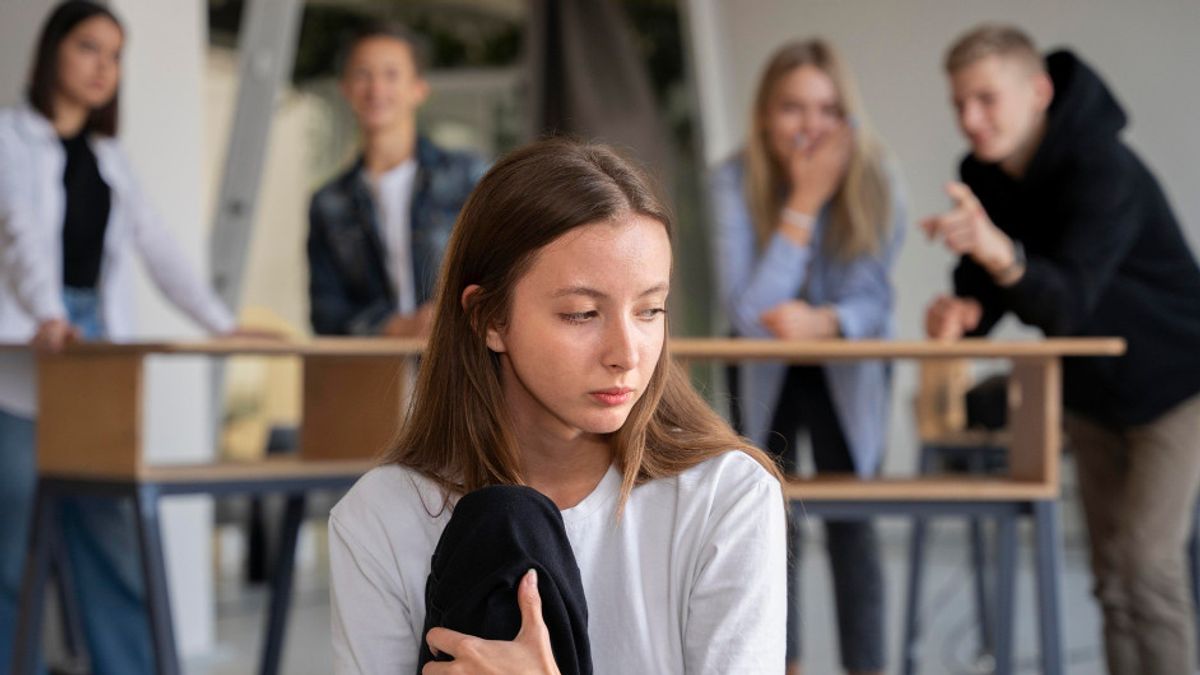


YOGYAKARTA Bullying at school is not just an ordinary delinquency, but a complex psychological and social problem. Many bullying actors are actually influenced by various factors, ranging from the home environment to social pressure from peers. According to a team of psychologists from The Psych Professionals, bullying behavior often arises because individuals experience unresolved emotional conflicts and find ways to control the situation. By understanding the root causes, whether as parents, teachers, or students, it can play a role in preventing bullying in schools. This explains factors that often trigger bullying.
Some students grow up at home where verbal or physical violence becomes common, such as screaming or threats. When children witness violence at home, they can imitate that behavior at school because they think of it as a way to control others. Children learn through observation, and home is the first place they understand social relationships. If at home they often see violence, they may think it is natural to do so to gain respect or power. As a result, this aggressive behavior is carried into the school environment and causes bullying towards friends who are considered weak.
Students who feel they have no close friends or emotional support can experience a sense of isolation. When a person feels unacceptable, they may try to assert themselves in the wrong way. For example by bullying others. In many cases, bullying becomes a 'protector' so that they don't appear weak in front of their peers. It's important to understand, teenagers who lack positive relationships often try to create a sense of control by suppressing others. This behavior actually shows the need for acceptance and a sense of security that has not been met.
Not a few bullys do it because they want to get attention or social status. In some school groups, aggressive behavior is actually considered cool or brave. Launching The Psych Professionals, Tuesday, November 4, every time the perpetrator gets laughter, cheers, or support from friends, this behavior is getting stronger. This creates a kind of 'social gift' that makes the perpetrator feel in power. Without realizing it, the support of the surrounding environment makes bullying a habit that is difficult to stop.
There are times when bullying is done because the perpetrator wants to feel in power or control of the social situation. This feeling is often rooted in the experience of life in which a person has lost control, such as family conflicts or traumatic experiences. The urge to control can arise as a way to protect oneself from fear or uncertainty. When a person feels strong by oppressing others, he gets the illusion of security and power. In fact, this kind of control actually prolongs the cycle of bullying and worsens social conditions in schools.
SEE ALSO:
-
 | BERITA
Menteri HAM Pigai Minta Udayana Tindak Tegas Mahasiswa Pelaku Perundungan Timothy
24 Oktober 2025, 18:25




Ironically, many bullying actors have been victims before. They carry emotional wounds that have not healed and channel them in the wrong way. This behavior often appears as a form of 'retaliatory' indirect or attempts to change the position of the victim to the perpetrator so that he does not feel weak anymore.
Unfortunately, this pattern creates a cycle of violence that is difficult to break. Every new generation of victims can potentially become the next perpetrator if they do not get the right psychological support and assistance.
Empathy is the ability to feel what others feel. When children or adolescents lack empathy, they are easier to hurt others without guilt. Low empathy is often associated with lack of emotional education or unwarm parenting. Children who are not taught how to recognize and express feelings tend to have difficulty understanding the impact of their actions on others. As a result, they can bully regardless of how much injury is caused.
Understanding the factors that cause bullying in the school environment helps us to be more sensitive to the behavior of the children and adolescents around. By recognizing the root of the problem, you can help create a safer and more supportive environment. An effective prevention approach must involve cooperation between family, school, and community. Each party needs to grow empathy, communication, and a sense of security so that bullying is no longer part of school life. With small but consistent steps, we can build a culture of mutual respect and free from bullying.
The English, Chinese, Japanese, Arabic, and French versions are automatically generated by the AI. So there may still be inaccuracies in translating, please always see Indonesian as our main language. (system supported by DigitalSiber.id)
Most Popular Tags
#Prabowo Subianto #donald trump #Febrie Adriansyah #8791 #giias 2026Popular


