


JAKARTA - Many people consider hydration only a matter of eliminating thirst. Even though the skin can also show signs when the body lacks water.
"Hidration is one of the important factors that secretly play a role in keeping the skin healthy and strong. All body cells, including skin cells, need water to work well," said dr. Oben Ojong, DO, FAAD, quoted from the EatingWell page.
Skin care products such as moisturizers do help maintain skin moisture from the outside, but meet the body's water needs remain an important part of overall skin health. Lack of fluids not only affects the appearance of the skin, but also its function.
About two-thirds of our bodies consist of water, and some are in skin cells. When we drink less, the outermost layer of corneum loses its moisture. In the long term, this can make the skin age faster and its protective function decrease.
Skin is not just a matter of appearance. The skin protects the body from germs, UV rays, regulates body temperature, and maintains fluid balance.
If the body lacks water, this important function can be disrupted. The following is the impact of drinking less water on the skin.
1. Skin Looks dull and Tired
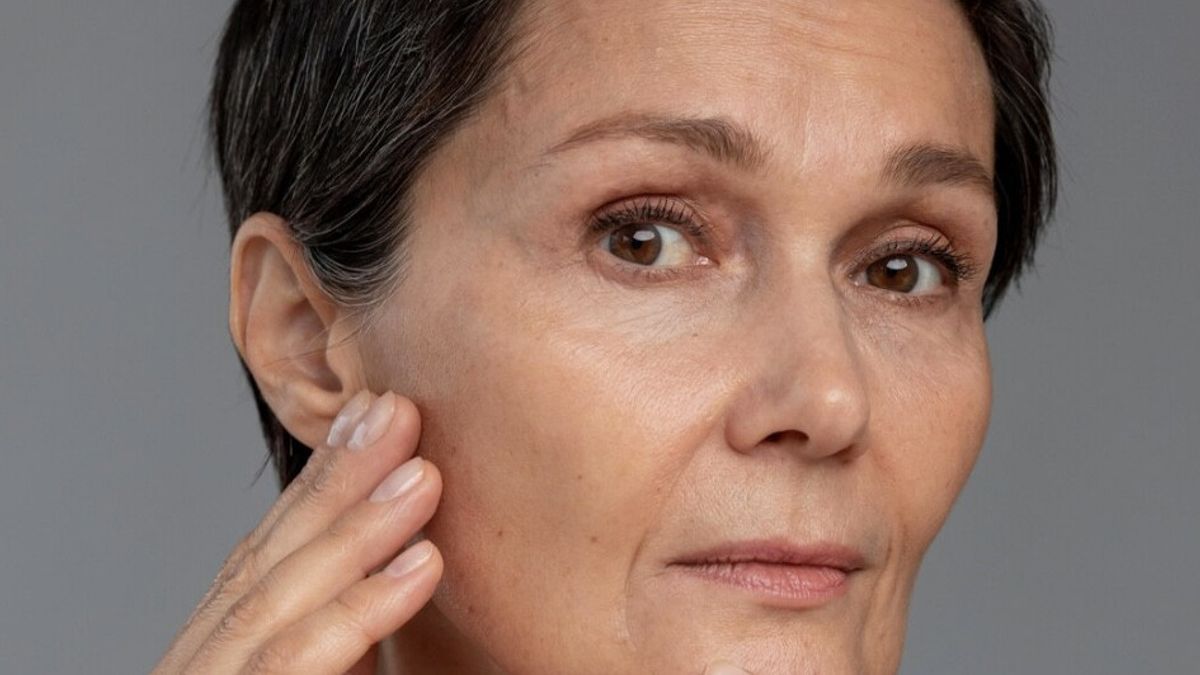
The skin that lacks fluids usually looks dull, the color is uneven, the fine lines appear, feels dry or peeling, and the elasticity decreases.
This condition is similar to signs of aging, but if caused by dehydration, the changes can occur quickly and will improve when hydration is fulfilled again. The hydrated skin will look fresher, softer, and chewy.
But it is important to remember that hydration cannot replace aging treatments due to sunlight or the loss of collagen. Water helps make the skin look more chewy and fresh, but cannot remove permanent wrinkles.
2. Skin Protection Layers Become Weak
The skin is the body's first bastion of germs, pollution, and UV rays. Lack of water can weaken the skin's protective layer so that the skin is more easily irritated, looks dry, and is more prone to premature aging.
In addition to drinking water, maintaining a skin barrier also requires appropriate skincare, nutritious diet, getting enough sleep, exercising regularly, and using sunscreen every day.
3. The Process Of Skin Healing Becomes Longer
Water helps bring oxygen and nutrients to the body's cells including the skin. When the body is dehydrated, wounds such as scratches or acne that have just recovered can take longer to recover.
SEE ALSO:
-
 | LIFESTYLE
Kolaborai Serip dan Desainer Indonesia Hadirkan Produk Anthurium yang Penuh Kreativitas
13 September 2024, 20:37 -
 | LIFESTYLE
Budaya Kerja Sehat yang Bikin Karyawan Betah dan Semakin Produktif
28 Agustus 2025, 19:35


4. The Body Is Difficult To Regulate Temperatures
Skin plays an important role in regulating body temperature through sweat. Lack of water can cause the skin to not be able to work optimally in removing heat, and make the body hotter.
How To Keep The Skin Hydrated From The Inside
- Drink more water, herbal tea, milk, or bubbled mineral water without sugar.
- Drink gradually throughout the day, not once in a large amount.
- If you sweat a lot or exercise, add electrolyte drinks.
- Avoid expensive detox drinks, the best water.
- Consumption of high-water foods such as cucumber, watermelon, strawberries, oranges, peppers, and green vegetables.
Also add foods rich in omega-3, protein, and vitamin C such as salmon, Chia seeds, walnuts, berries, and peppers to help strengthen the skin layer.
The English, Chinese, Japanese, Arabic, and French versions are automatically generated by the AI. So there may still be inaccuracies in translating, please always see Indonesian as our main language. (system supported by DigitalSiber.id)
Most Popular Tags
#Prabowo Subianto #donald trump #Febrie Adriansyah #8791 #giias 2026Popular


