
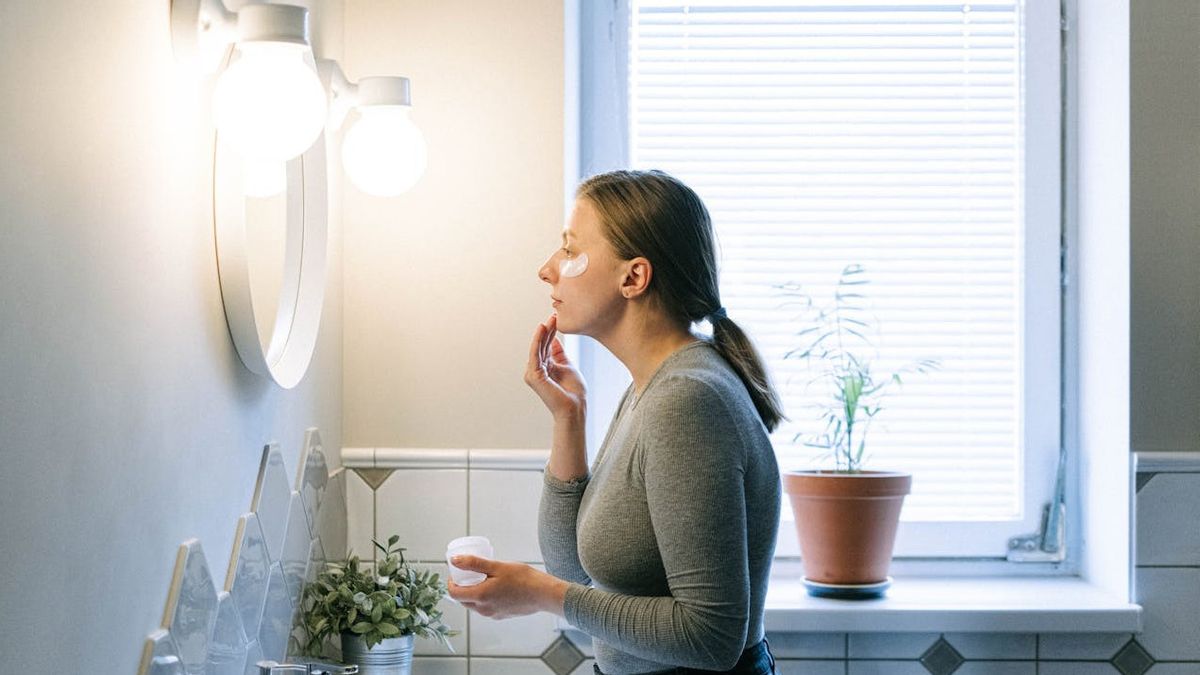


JAKARTA - In the era of beauty ingredients that went viral on social media, sulfur may not be the sexiest component to think of. This material looks like an ancient element, has a pungent aroma that is often shunned. But when viewed from the dermatological side, sulfur retains tremendous force in fighting acne.
Get rid of the smell of 'rotten eggs' so as not to dominate and are now available in a more friendly formula. Allowing the scent is not an excuse to close your eyes from sulfur's advantage in maintaining skin health.
In simple terms, sulfur is an essential natural element in various biological processes obtained from Byrdie, Thursday, October 9. In the context of skin care, sulfur is known for its ability as a gentle exfoliator and antibacterial agent. Skin experts explain that sulfur functions to reduce oil production (sebum), fight acne-causing bacteria, and help remove dead skin cells that clog pores. However, sulfur's use must be controlled: in sensitive skin, drying or irritation effects are easy to occur if not done carefully.
Here's a summary of sulfur's main benefits when used properly:
Draining active acne
With antiseptic and sebum-reducing properties, sulfur helps dry acne, especially whiteheads, blackheads, or light palua.
Encouraging mild exfoliation
Thanks to the Keratolic effect, sulfur helps destroy dead skin cells and facilitates the regeneration of a fresh epidermis layer.
Overcoming sensitive skin conditions
Due to its anti-inflammatory nature and softening ability of thickened skin cells, sulfur is also used in the care of rosacea, eczema, and seboroik dermatitis.
Press inflammatory
When inflammation arises due to acne or mild irritation, sulfur can help relieve redness as well as the cause bacteria.
SEE ALSO:
-
 | LIFESTYLE
Tak Hanya Skincare, Peptida Bisa Digunakan untuk Miliki Rambut Sehat dan Berkilau
07 Oktober 2025, 04:25 -
 | LIFESTYLE
Moisturizer atau Sunscreen Dulu? Panduan Lengkap Rutinitas Skincare yang Benar
02 Oktober 2025, 02:25 -
 | LIFESTYLE
Ketahui Rahasia Kecantikan agar Kulit Leher dan Dada Tampak Lebih Awet Muda
26 September 2025, 14:46 -
 | LIFESTYLE
Nggak Bikin Iritasi, Ini Kandungan Skincare untuk Lansia yang Aman Digunakan
25 September 2025, 17:55
Like other active materials, sulfur is not without risk. Among them:
Wise Tips in Usage:
To take advantage of sulfur's efficacy without triggering irritation, here are recommendations for its use:
Use a soft cleaning and hard detergent-free so that the skin is not too empty when sulfur is applied.
For example, let sulfur soap only touch the skin for 3060 seconds, then rinse. This technique is often recommended so that the effect remains optimal but not excessive.
Use a cotton or tip to apply sulfur in the acne area before bed, especially because sulfur smells sometimes make it suitable for use at night.
So that the skin is not too dry, apply a light moisturizer after sulfur selects a non-medogenic product that does not clog the pore.
Start 2'3 times per week; observe skin responses, then increase the frequency slowly.
Although not celebrating the latest beauty trend, sulfur is a 'hidden hero' in the skincare world, especially for those who struggle with acne and oily skin. With antimicrobial, anti-inflammatory, and mild exfoliation properties, sulfur can compete with popular active ingredients such as benzoyl peroxide or salicylic acid, with a more friendly level of tolerance.
However, better means nothing without potential risks. Therefore, a careful and measurable approach is needed from weak concentrations, patch tests, to the use that suits each other's skin conditions. With proper care, sulfur is no longer an ancient element with a pungent aroma, but a strong ally in caring for the skin to stay clean, healthy, and luminous.
The English, Chinese, Japanese, Arabic, and French versions are automatically generated by the AI. So there may still be inaccuracies in translating, please always see Indonesian as our main language. (system supported by DigitalSiber.id)


