
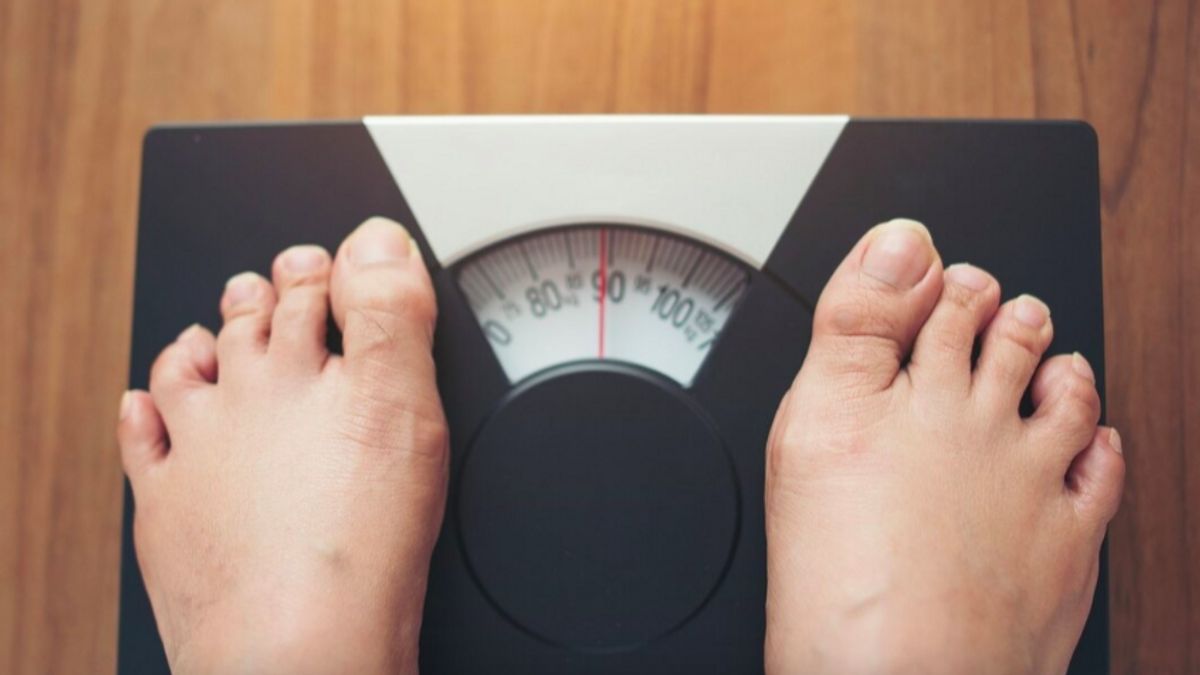


JAKARTA - Weighing weight is often an important part of the journey to a healthy life. The numbers on the scales are still important for those of you who need additional enthusiasm. However, did you know that weighing time can affect the results you see on the scales?
A registered nutritionist, Maxine Smith, RD, LD, stressed the key is consistency. This is one of the most important things in managing weight.
"The most ideal time to lose weight is in the morning, after urinating, but before eating or drinking anything. The reason is that the body has finished digesting food and drinks from the previous day we slept," Smith said, quoted from the Cleveland Clinic page.
If you weigh it in the morning, try wearing clothes for a minimum or not wearing clothes at the same time.
How Often Should Weigh Weight?
Research shows that weighing regularly provides the best results. Some choose once a week. But there are also those who prefer it every day. The choice is back to yourself and the most important thing is to be consistent.
A 2019 study states that weighing each day can provide better weight loss results than those that rarely weigh. In addition to scales, there are also other tools such as smartwatches, fitness applications, to digital records that have proven more effective than just writing manuals on paper.
Other studies also emphasize that a combination of consistent habits such as regular weighting, recording food intake, and exercising at least 60 minutes a week can provide more positive results in the long term.
According to Smith, considering yourself is like making a budget. If this week you go too far, you can immediately know and fix it. But if you are not aware of your negligence every week, it will accumulate over time.
If you choose to weigh every day, do it at the same time with the same clothes and use the same scales. If you do it once a week, try it on the same day. For example, every Wednesday morning, not changing between Monday and Friday.
"Many people have different routines on weekends, eat outside more, snack, or drink alcohol. Therefore, weighing in the middle of the week can be more stable with results," said Smith.
For some people, too focused on numbers can actually make you stressed. Weight can drop 0.5'1 kg in a day due to many factors, not just body fat. For example, due to increased muscle mass during exercise, salt or carbohydrate intake that makes the body store more fluids, to menstruating cycles in women.
So, if the weight suddenly goes up, don't panic immediately. Small daily changes are normal.
If you have a history of eating disorders or feel anxious every time you weigh yourself, it might be better to limit the use of scales and discuss with health workers.
SEE ALSO:
-
 | INFO SEHAT
Simak Tips Mempersiapkan Rutinitas Olahraga Selama Musim Hujan Agar Tetap Lancar
08 November 2024, 17:55




How to weigh properly
To make the results more accurate, follow these steps:
- Weigh in the morning.
- Wearing clothes as little as possible, or always the same clothes.
- Put the scales on the floor that is flat and hard (not on the carpet).
- Standing upright with both feet flat on the scales, preferably without footwear.
Weight is not the only health measure. Weight is just one of the small indicators of overall health. There are many other ways to measure success, such as:
- A healthier diet.
- Increased daily energy.
- Clothing that feels more comfortable to wear.
- Increased enthusiasm for activities.
Smith emphasized that don't judge yourself too hard from the numbers on the scales. It's better to set a small target realistically, which you can measure within a certain period. Remember, the slightest progress is still a win.
The English, Chinese, Japanese, Arabic, and French versions are automatically generated by the AI. So there may still be inaccuracies in translating, please always see Indonesian as our main language. (system supported by DigitalSiber.id)
Most Popular Tags
#Prabowo Subianto #donald trump #Febrie Adriansyah #8791 #giias 2026Popular


